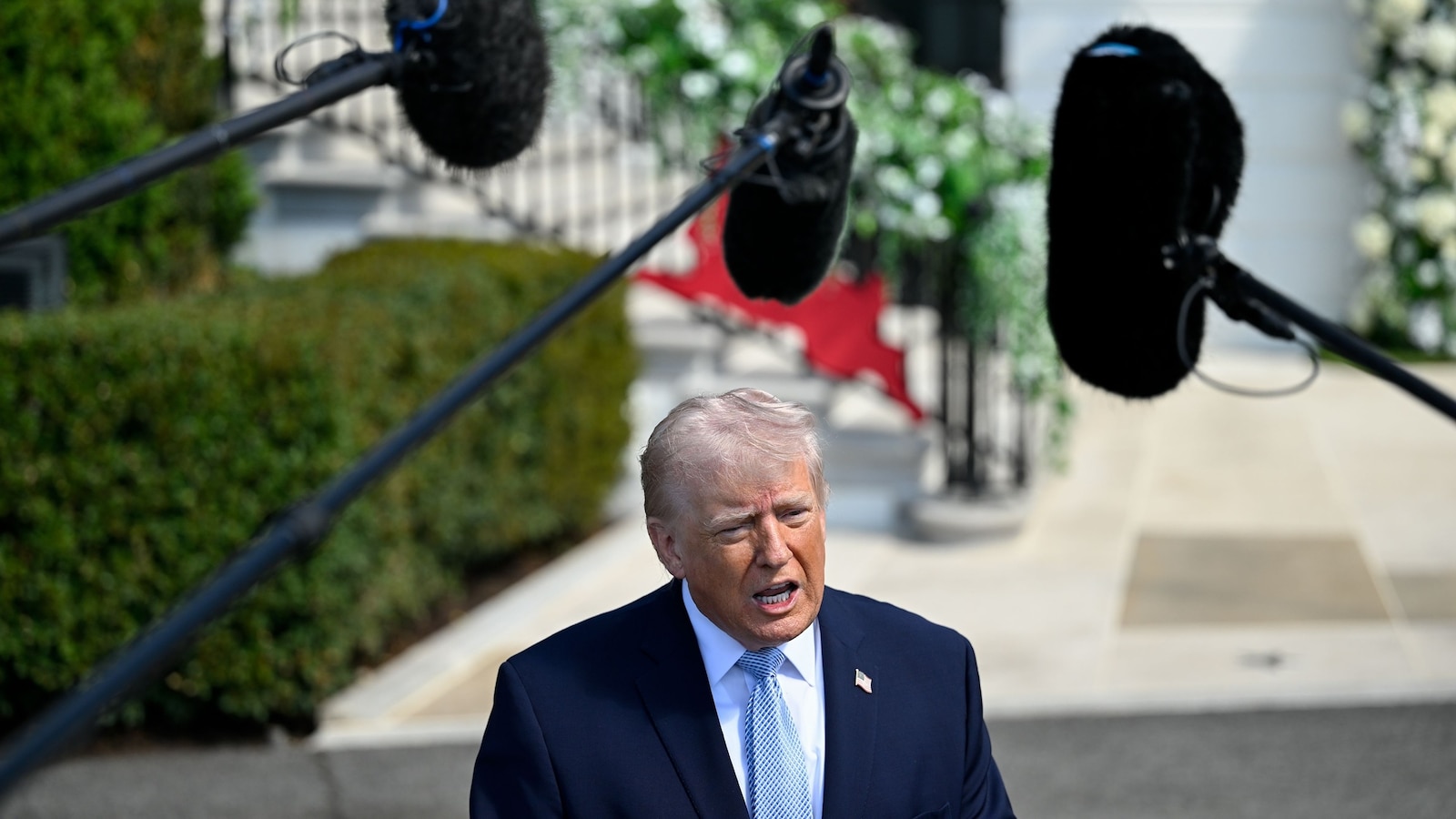
Trump set a hard deadline of 8 p.m. ET Tuesday (≈48 hours) for Iran to reach a peace deal or reopen the Strait of Hormuz, warning of "massive U.S. attacks" on critical infrastructure including energy and water facilities. He will hold a 1 p.m. briefing on the rescued U.S. airman, but the administration's escalation threats and talk of striking power plants/bridges create substantial risk to oil transit through the Strait and could trigger broad market volatility. A reported 45-day ceasefire/reopening proposal exists but has not been approved by the president and Iran demands "suitable guarantees," leaving near-term outcome highly uncertain.
A near-term escalation scenario in the Gulf region structurally re-prices seaborne energy and marine transport costs more than physical crude balances. Rerouting around Africa increases voyage distance by ~30-40% for some trades, which (combined with higher war-risk insurance) can push VLCC/Tanker spot rates 2-4x in the first 2-6 weeks and put a short-term $5-15/bbl risk premium on Brent/WTI depending on severity.
Second-order winners are owners of floating storage and spot tanker capacity, reinsurers and war-risk insurers (short-term premiums spike), and US shale producers able to lift production within months; losers include systemically exposed refiners and countries/companies reliant on short-haul marine crude flows or LNG cargoes that have tight delivery windows. Shipping reroutes and insurance friction also raise input costs for European gas and merchant commodity supply chains, potentially compressing industrial margins in energy-heavy sectors over the next 1-3 quarters.
Key tail risks are rapid kinetic escalation or reciprocal strikes on energy infrastructure that would extend the premium for months versus a diplomatic de-escalation that removes most of the spike within 2-4 weeks. A material oil-driven inflation impulse (central scenario: +15–25bps core CPI over 3–6 months) would pressure real rates and force policy/cliff negotiations—this is the main macro channel that would flip risk assets from temporary shock to persistent sell-off.
Tactically, prefer optionality and cash-flow asymmetric structures: buy time-limited exposure to tanker spot and energy upside, hedge operational downside in exposed portfolios (airlines, ports), and accumulate defense/insurer exposure selectively on sell-offs. Avoid naked directional risk in EM credit and airlines without clear hedges; liquidity can evaporate in crisis windows and widen slippage on exits.
AI-powered research, real-time alerts, and portfolio analytics for institutional investors.
Request DemoOverall Sentiment
strongly negative
Sentiment Score
-0.70
