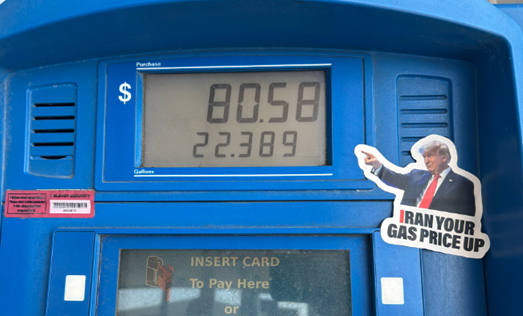
The U.S. attack on Iran has already cost taxpayers $11.3B in the first six days and is projected to reach ~$25B by week’s end, while the national average gas price jumped from $2.93 to $4.01/gal in one month (≈$1.08, ~37%). The higher fuel costs are estimated to add ~$9.4B/month in gasoline spending (~$34 per person/month) and are cascading through the economy — diesel and fertilizer prices are spiking, pressuring farmers, truckers, gig drivers and supply chains and adding to near-term inflationary upside.
Energy-driven transport cost shocks are propagating into two distinct profit pools: (1) variable-cost intensive gig/last‑mile labor models and (2) fixed-capital logistics/freight operators. Gig platforms (rideshare/delivery) face an immediate margin squeeze because driver supply is elastic to net take-home pay — when fuel rises, platforms must either raise consumer prices (demand elastic) or increase driver incentives (margin compress). Meanwhile, freight and agricultural supply chains face structural input shortages (fertilizer + diesel) that can force multi-quarter supply constraints and localized force‑majeure events, which amplify passthrough into food inflation and reduce sectoral throughput.
From a cross‑asset perspective, higher war‑driven energy prices increase near‑term term premia and fiscal strain; expect shorter risk‑asset multiples as real yields move up if sustained. This creates a two‑tier dispersion: integrated energy names with upstream exposure should capture incremental margin, while low‑margin, transaction‑heavy platform names exhibit outsized downside. The timing is front‑loaded — days-to-weeks for headline volatility, but 3–9 months for enduring real‑economy effects (fertilizer shortages, contract repricing, and ‘rocket‑and‑feathers’ retail pass‑through).
Catalysts that would unwind positions include rapid diplomatic de‑escalation, coordinated SPR releases large enough to offset blocked flows, or a demand shock that knocks crude back under ~$70/bbl (each would likely work on 30–90 day timelines). Tail risks skew to the downside for services: a protracted blockade or escalation could lift oil >$100/bbl and catalyze a stagflationary correction that hits consumer‑facing, high‑growth cashflow models hardest.
AI-powered research, real-time alerts, and portfolio analytics for institutional investors.
Request DemoOverall Sentiment
strongly negative
Sentiment Score
-0.80
Ticker Sentiment
