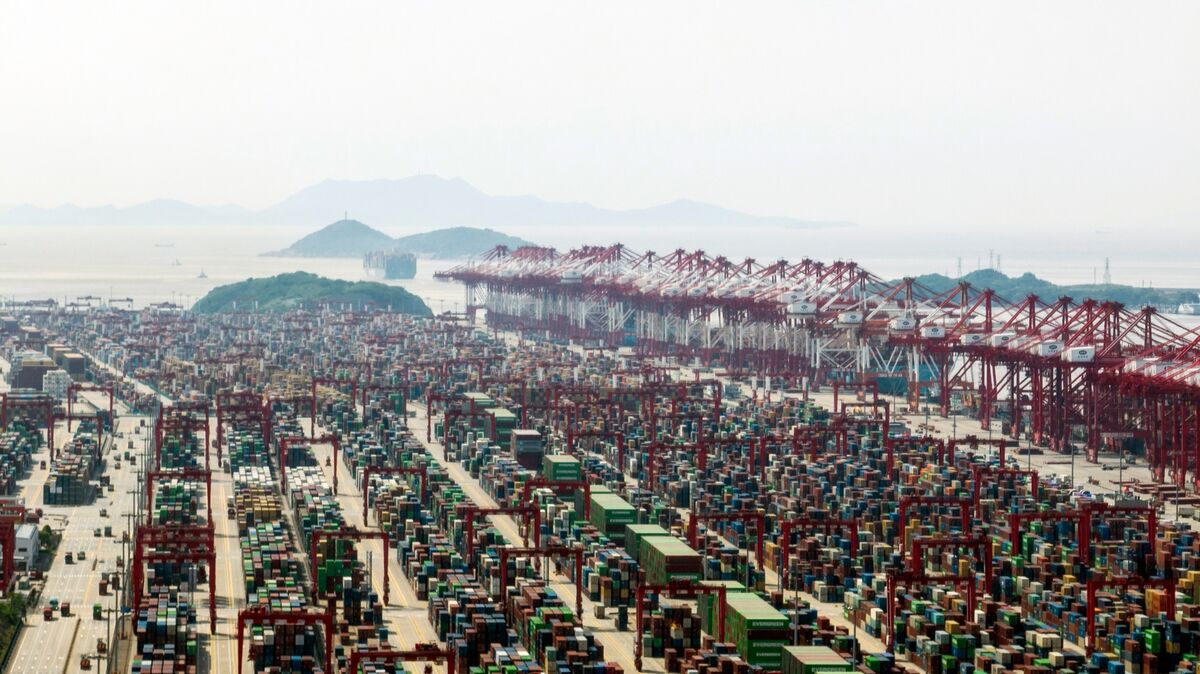
China has warned of retaliation if its interests are harmed by the recently clinched US-Vietnam trade deal, signaling a potential escalation in US-China tensions as Washington pursues more economic agreements in the region. The Ministry of Commerce emphasized its opposition to deals made at China's expense, highlighting Beijing's sensitivity to perceived economic encirclement.
China has explicitly threatened retaliation if the new US-Vietnam trade agreement harms its economic interests, signaling a significant escalation in geopolitical and trade tensions. The statement from the Ministry of Commerce, which noted it would "firmly oppose any party striking a deal at the expense of China’s interests," indicates Beijing's sensitivity to perceived economic containment by the US and its allies in the region. This development introduces a new layer of uncertainty into global trade dynamics, moving beyond the direct US-China conflict to encompass third-party agreements. The accompanying signals, including a strongly negative sentiment score of -0.7 and a high market impact score of 0.7, underscore the market's perception of this hawkish rhetoric as a credible threat that could lead to new tariffs or other trade barriers, further disrupting global supply chains.
AI-powered research, real-time alerts, and portfolio analytics for institutional investors.
Request DemoOverall Sentiment
strongly negative
Sentiment Score
-0.70
