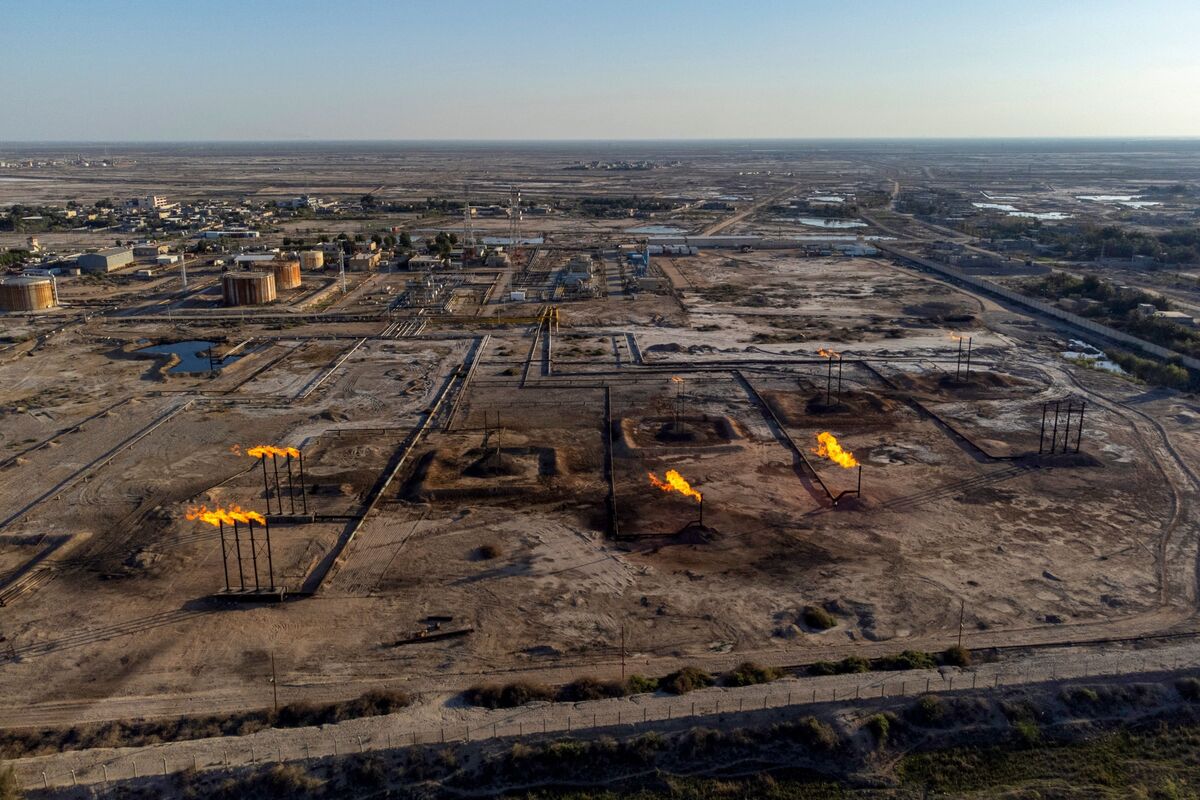
Iraq, an OPEC member, is set to achieve gasoline self-sufficiency this year and aims to become an exporter of surplus oil products, according to Prime Minister Mohammed Shia Al-Sudani. This strategic shift, driven by ongoing refinery upgrades including the Basrah refinery's fluid catalytic cracking unit starting in 2025 and the five-year Diwaniya expansion, signifies reduced import dependence and potential for new export revenue streams from refined products.
Iraq is poised for a strategic shift in its energy posture, transitioning from a net importer of gasoline to achieving self-sufficiency within the current year. According to Prime Minister Mohammed Shia Al-Sudani, this change is underpinned by significant investments in domestic refinery infrastructure, including the startup of a fluid catalytic cracking unit at the Basrah refinery in 2025 and a new five-year expansion project at the Diwaniya refinery. This development is set to eliminate the country's reliance on foreign oil products and positions Iraq to become an exporter of surplus refined products. For a major OPEC crude producer, this move represents a critical step towards value-chain integration, potentially creating a new, stable revenue stream and reducing foreign exchange outflows. The successful execution of these projects will alter regional refined product supply dynamics, introducing a new competitive source into the market.
AI-powered research, real-time alerts, and portfolio analytics for institutional investors.
Request DemoOverall Sentiment
strongly positive
Sentiment Score
0.75
