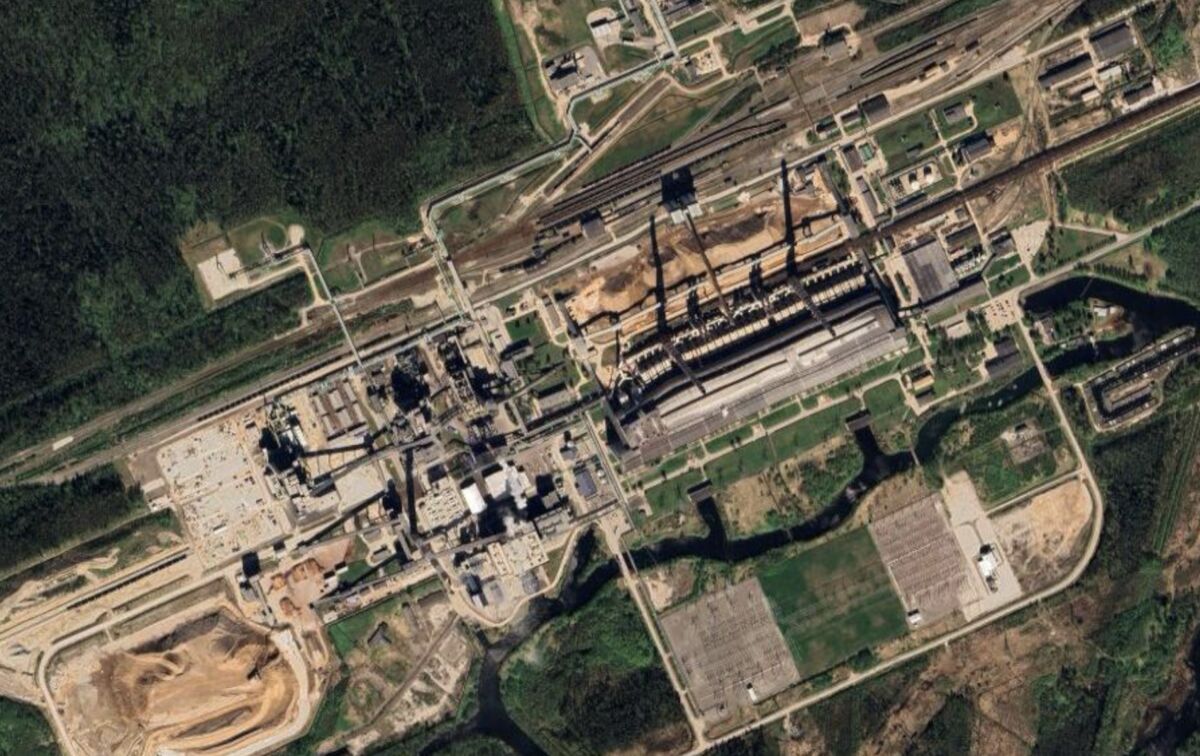
Multiple drones entered Estonian and Latvian airspace from Russia; one drone struck the smokestack of the Auvere power plant in Estonia, with no reported injuries. The incident raises localized energy infrastructure and security risks and could prompt heightened regional defense measures, but is unlikely to cause immediate broad market disruption.
A marginal rise in low-cost, hard-to-interdict strike vectors against distributed energy nodes materially alters procurement and capex dynamics: expect a near-term reallocation of spending from centralized fuel purchases toward short-cycle hardening (sensors, physical barriers, redundancy) and mid-term multi-year NATO and EU grants that flow to prime contractors. That bifurcation favors firms that supply both rapid-deploy C-UAS/ISR kits and large-scale grid-reinforcement projects, while pressuring regional utilities and legacy insurers who will face higher claims and higher loss-cost assumptions.
Market timing is heterogeneous: price action in regional energy forwards can move within days if attacks recur or if gas logistics are interrupted, while procurement-driven revenue for defense and engineering primes crystalizes over 6–24 months as contracts are tendered and funded. Key reversals would be rapid attribution ambiguity, diplomatic de-escalation channels, or a visible technological fix (cheap electronic countermeasures) that materially reduces expected loss frequencies.
Second-order supply-chain winners include Western suppliers of hardened power electronics, satellite/RF processors, and trusted battery/motor manufacturers if sanctions or export controls tighten on common small-UAS components; losers include single-source Tier-2s in hostile jurisdictions and reinsurers that underprice tail accumulation. The consensus trade — buying broad defense exposure today — underprices the patchiness of award timing and the potential for a two-speed market where mid-cap specialists in C‑UAS capture outsized margins versus diversified primes.
AI-powered research, real-time alerts, and portfolio analytics for institutional investors.
Request DemoOverall Sentiment
mildly negative
Sentiment Score
-0.30
