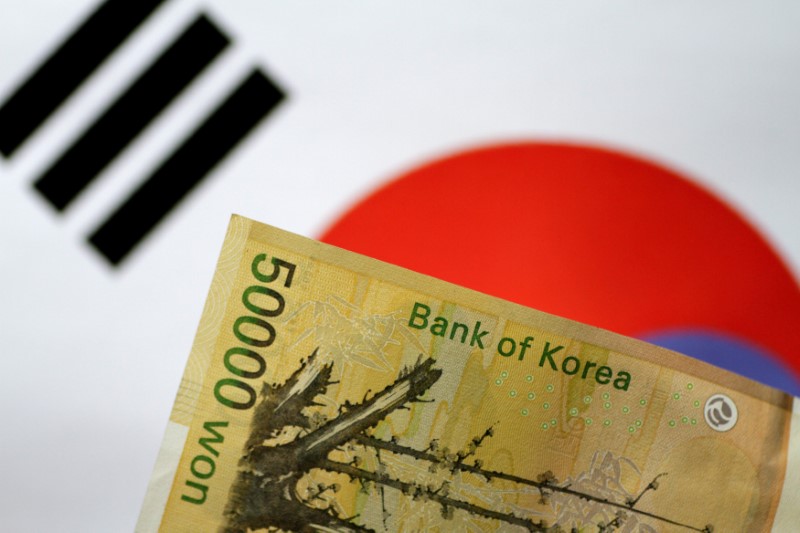
Asian currencies traded narrowly on Wednesday amid anticipation of potential U.S.-China trade talks, offset by concerns over increased U.S. tariffs on steel and aluminum. The South Korean won strengthened following the election of a liberal president, signaling potential political stability, while the Australian dollar remained flat after weaker-than-expected GDP data raised expectations for further rate cuts. The dollar index steadied as markets await further cues from U.S. nonfarm payrolls data.
Most Asian currencies exhibited minimal movement while the U.S. dollar maintained stability, influenced by growing anticipation of dialogue between U.S. and Chinese leaders this week. However, this optimism regarding potential trade discussions was tempered by President Trump's decision to double tariffs on steel and aluminum imports, creating further headwinds for U.S. businesses and contributing to a moderately negative market sentiment. The South Korean won, with the USD/KRW pair falling 0.3%, stood out by strengthening after the liberal party's victory in the snap presidential election, signaling potential political stability. Despite this, gains in the won were capped by weaker-than-expected May consumer price index data, increasing the likelihood of further interest rate cuts by the Bank of Korea, following a 25 basis point cut last week. The Australian dollar (AUD/USD flat) was subdued after first-quarter gross domestic product data came in below expectations, signaling potential for additional interest rate reductions by the Reserve Bank of Australia. The Chinese yuan, with the USD/CNY pair steady at 7.1890, held its ground amid hopes for renewed U.S.-China trade negotiations, although recent disappointing purchasing managers index data for May raised concerns about the Chinese economy. The U.S. dollar has been under sustained pressure, trading near a six-week low, with markets awaiting Friday's nonfarm payrolls data for further directional cues. Other regional currencies, including the Japanese yen (USD/JPY up 0.1%), Singapore dollar (USD/SGD up 0.1%), and Indian rupee (USD/INR up 0.2% ahead of an expected RBI rate cut), showed limited movement, reflecting cautious sentiment driven by middling economic readings, U.S. trade tariffs, and ongoing geopolitical tensions.
AI-powered research, real-time alerts, and portfolio analytics for institutional investors.
Overall Sentiment
moderately negative
Sentiment Score
-0.35
Ticker Sentiment
