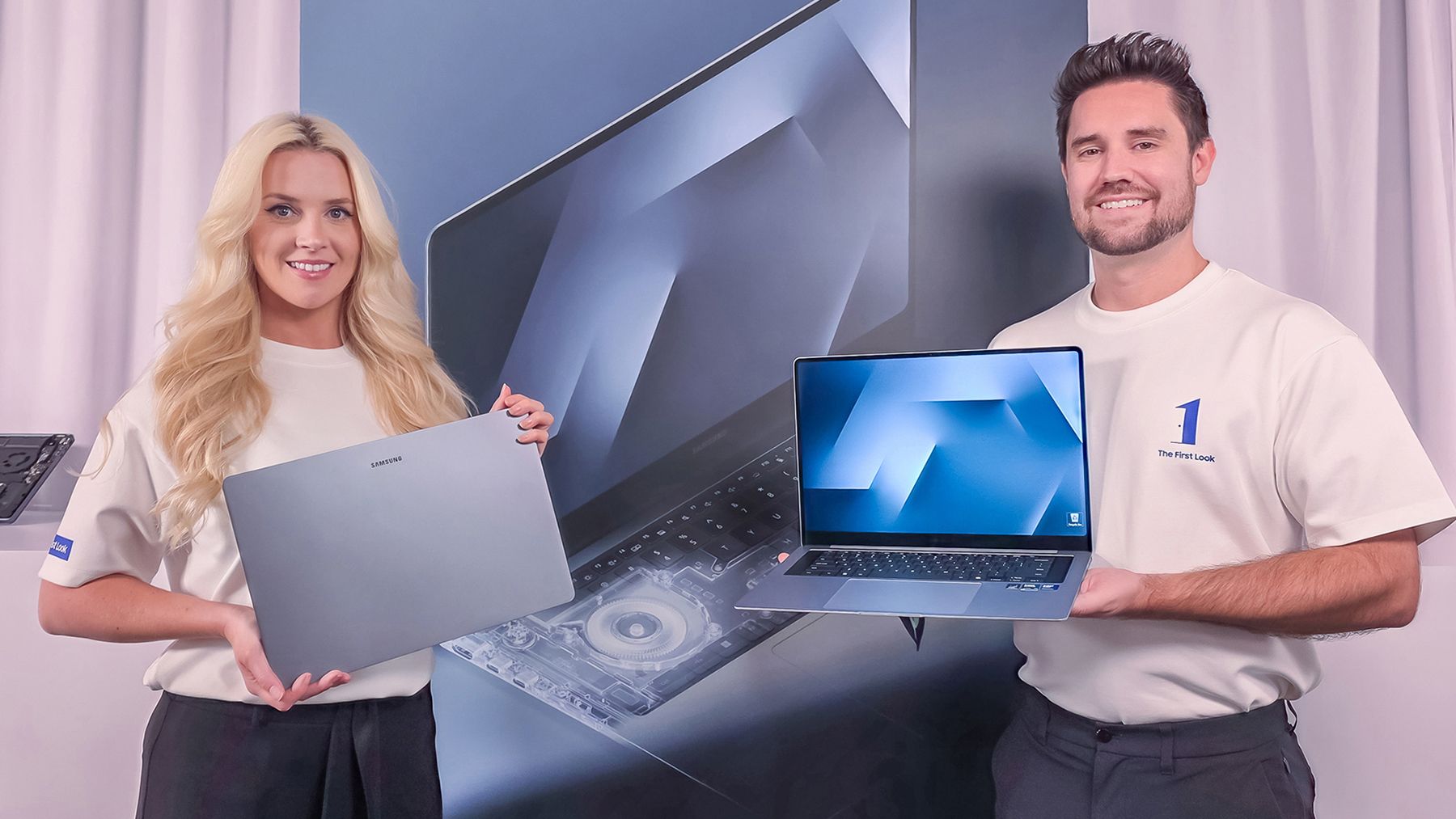
At CES 2026 Samsung unveiled the Galaxy Book6 family — Ultra (16-inch), Pro (14/16-inch) and standard Book6 (14/16-inch) — powered by Intel Core Ultra Series 3 processors with an integrated Intel NPU rated up to 50 TOPS, offering up to 64GB LPDDR5X, 1TB PCIe SSD, advanced AMOLED/IPS displays, Wi‑Fi 7 and Thunderbolt 4 on higher-end models. Samsung is emphasizing Galaxy AI features and tighter integration with its device ecosystem to position these premium Windows/Android-capable machines as competitors to Apple’s MacBooks; pricing has not been announced. For investors, the launch highlights Samsung’s push into higher‑end PCs and potential incremental demand for Intel and peripheral suppliers, but absent pricing or volume guidance the near‑term market impact is likely moderate.
Market structure: Intel (INTC) is the clear direct beneficiary — Core Ultra Series 3 + 50 TOPS NPU makes on‑device AI a credible value prop for premium Windows laptops and could substitute some discrete GPU workloads. Samsung’s Galaxy Book6 line accelerates PC OEM competition with Apple (AAPL) in the premium laptop segment; model-by-model share shifts of 2–5% over 12–24 months are plausible if pricing is competitive. NVIDIA (NVDA) impact is mixed: data‑center demand unchanged, but laptop GPU ASP growth for light AI inference could slow.
Risk assessment: Tail risks include Intel NPU underperforming (product/driver delays), Samsung poor retail sell‑through, or regulatory scrutiny of ecosystem tie‑ins; any of these could reverse stock moves rapidly. Immediate (days) volatility will be driven by CES reviews and tweets; short term (weeks–months) by pricing/pre‑order data and Intel quarterly commentary; long term (12–36 months) by share gains and Windows ecosystem lock‑in. Hidden dependencies: LPDDR5X supply/price swings (memory >10% YoY affects OEM margins) and Microsoft/Windows driver support are critical.
Trade implications: Favor a modest, event‑driven overweight to INTC (small position size — 2–3% portfolio) and tactical pair exposure short AAPL to express premium PC competition; use 3–6 month call spreads on INTC to limit capital and buy 3‑month 5% OTM AAPL puts as a shock hedge. Rotate +1–2% into PC supply‑chain beneficiaries (Wi‑Fi7, SSD controllers) and consider trimming AAPL exposure by 1–2% if initial retail data shows share loss.
Contrarian angles: Consensus understates how quickly on‑device NPUs can change laptop feature economics, but overstates Intel’s execution reliability — don’t overcommit. Historical parallels (Intel vs AMD CPU cycles) show share moves take quarters, not days; size positions small, use defined‑risk options, and set hard 15% stop‑losses or profit‑take at +30–40% per position.
AI-powered research, real-time alerts, and portfolio analytics for institutional investors.
Request DemoOverall Sentiment
mildly positive
Sentiment Score
0.30
Ticker Sentiment
