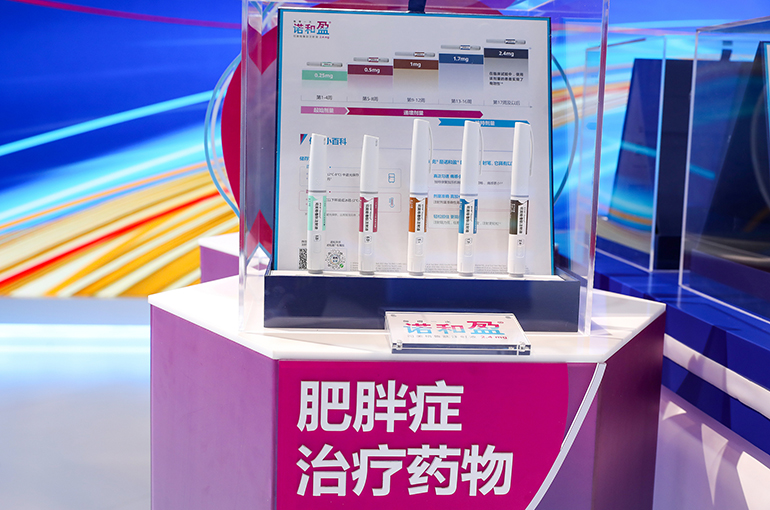
Imported GLP-1 weight-loss drugs in China are seeing sharp price declines ahead of patent expiry: Wegovy (semaglutide) has fallen to CNY987.48 per pre-filled pen from CNY1,893.67, while Mounjaro presale prices have dropped to as low as CNY450 versus an earlier guide of CNY2,180, with deliveries starting Jan. 5. Novo Nordisk has voluntarily cut Wegovy’s price and domestic firms are preparing generics ahead of semaglutide’s China patent expiration on March 20, with ten local semaglutide candidates already filed for approval. The moves signal accelerating price competition that will pressure margins for incumbent importers in China but expand affordability and could reset pricing for future weight-loss drug launches.
Market structure: Domestic Chinese biotech entrants and e-commerce/distribution channels (large platforms that can scale discounting) are direct winners as semaglutide becomes commoditized; patients/payers also win via >40–70% price declines observed (Wegovy halved to CNY987 from CNY1,894; Mounjaro presale CNY450 vs guide CNY2,180). Novo Nordisk (NVO) and Eli Lilly (LLY) face meaningful margin erosion in China — expect branded price compression of 40–60% within 6–12 months post-generic entry and rapid share shift to low-cost domestic producers. Demand elasticity will increase uptake (potentially 2x volume over 12–24 months at lower prices) but unit gross margins will compress, shifting total market value lower even as patient numbers rise.
Risk assessment: Tail risks include Chinese price regulation or mandatory inclusion in national reimbursement (high-impact, medium-probability around policy cycles in H1 2025), supply-chain failures for injectables, or IP litigation delaying generics (low-probability). Immediate (days) risk: secondary price cuts/flash promotions by e-platforms; short-term (weeks–months): approval announcements and generic launches around the March 20, 2025 patent cliff; long-term (quarters–years): permanent margin rebalancing and potential R&D repricing for GLP‑1s. Hidden dependency: margins hinge on channel mix (hospital/specialty vs retail e‑commerce) and reimbursement timelines — if payers pick up costs, volume growth could offset margin loss.
Trade implications: Tactical: modest short in NVO exposure to China (1–2% portfolio) and buy downside protection (3-month 10% OTM puts sized 0.5% PV) ahead of March 20, 2025; pair trade long Chinese e‑commerce captures (BABA, JD) 1–2% each to capture higher low‑price volumes and platform take-rates. Options: consider a put spread on NVO (buy 3m 10% OTM, sell 3m 20% OTM) to limit cost; consider buying 6–9 month call spreads on large Chinese healthcare ETFs or retail platforms to play volume growth. Rotate out of premium-branded biotech exposure into cheaper domestic manufacturers and distributors over 3–12 months as approvals are confirmed.
Contrarian angles: Consensus underestimates upside for incumbents that rapidly pivot to value packaging (NVO could defend share by launching authorized generics or volume contracts; downside may be limited to 10–15% of global EPS). Reaction may be overdone in global NVO paper — China is significant but not majority revenue; a disciplined short size and option-defined risk is crucial. Historical parallel: US insulin price competition saw branded producers retain durable value via channels and new formulations; similar product differentiation (combination therapies) could preserve branded pricing beyond the patent cliff.
AI-powered research, real-time alerts, and portfolio analytics for institutional investors.
Request DemoOverall Sentiment
mildly negative
Sentiment Score
-0.30
Ticker Sentiment
