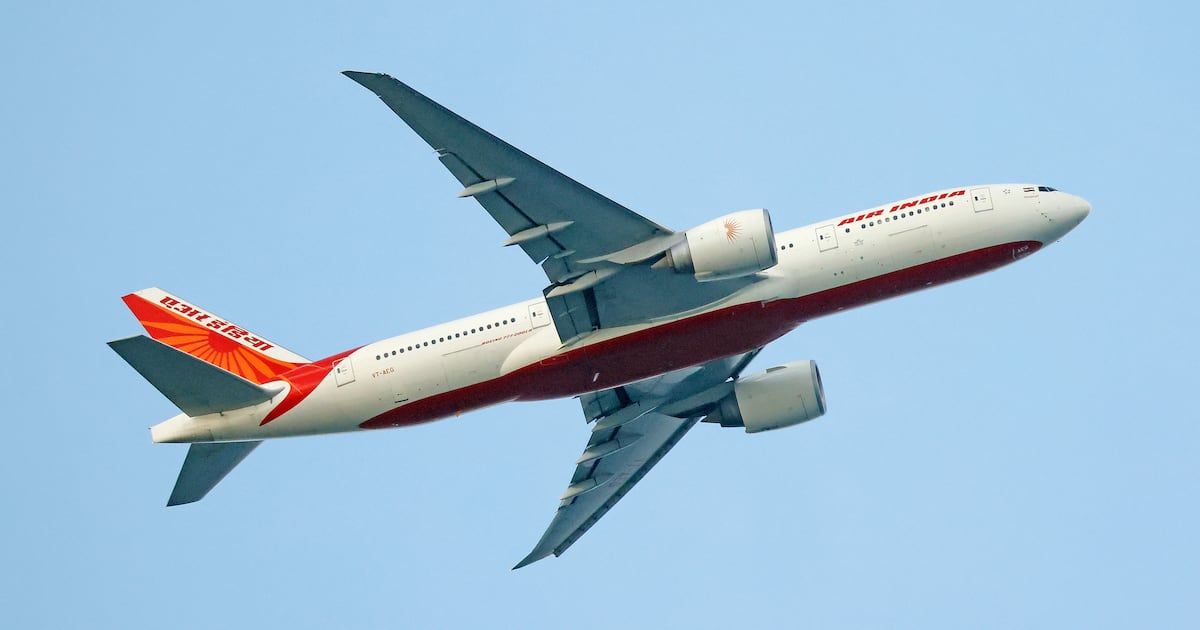
A pilot for Air India failed two breathalyzer tests at Vancouver International Airport on Dec. 23 and was removed from a flight bound for New Delhi; Transport Canada has called the incident a “serious matter” and signaled likely enforcement action while giving Air India until Jan. 26 to submit its investigation findings. Air India has taken the pilot off flying duties and says any confirmed violations will trigger strict disciplinary action; the episode adds regulatory and reputational pressure on the carrier already under scrutiny after the June 12 787-8 crash that killed 260 people.
Market structure: This is an idiosyncratic operational/regulatory shock concentrated on Air India but it increases perceived tail risk for OEMs (BA) and insurers. Immediate winners are well-capitalized global carriers with strong governance (Delta DAL, AAL) and low leverage; losers are reputation-sensitive Indian operators and Boeing (BA) on sentiment and potential 787 regulatory scrutiny. Pricing power shift is small but skews financing costs for smaller carriers and lessors for 3–12 months as insurers/reinsurers reprice risk.
Risk assessment: Tail risks include rapid regulatory groundings, large penalties, or broader inspection campaigns in India that could delay 787 operations — low probability but high impact on BA revenue and delivery schedules over 3–12 months. Near-term (days) volatility is reputational; short-term (weeks) depends on the Jan 26 Air India report; long-term (quarters) depends on any formal aviation-safety actions and order cancellations. Hidden dependencies: insurance renewals (next 6–12 months), lessor covenants, and OEM supply-chain repricing.
Trade implications: Tactical defensive posture — hedge BA exposure and favor large-cap carriers with strong liquidity (DAL, AAL) while underweight India-exposed names (InterGlobe/IndiGo). Options trades to monetize implied volatility in BA over the next 1–3 months are attractive; consider relative-value pair trades (long US majors, short OEM/lessor exposure). Watch implied vols and regulatory announcements around Jan 26 as execution triggers.
Contrarian angle: Consensus will likely over-index to Boeing blame; absent concrete maintenance/airworthiness links the shock is transitory. If Jan 26 delivers no systemic findings, BA downside could be overstated — opportunity to buy vol-selling wings post-event. Historical parallels: isolated alcohol/crew incidents depress sentiment briefly but do not materially change OEM order backlogs unless paired with airworthiness findings.
AI-powered research, real-time alerts, and portfolio analytics for institutional investors.
Request DemoOverall Sentiment
moderately negative
Sentiment Score
-0.35
Ticker Sentiment
