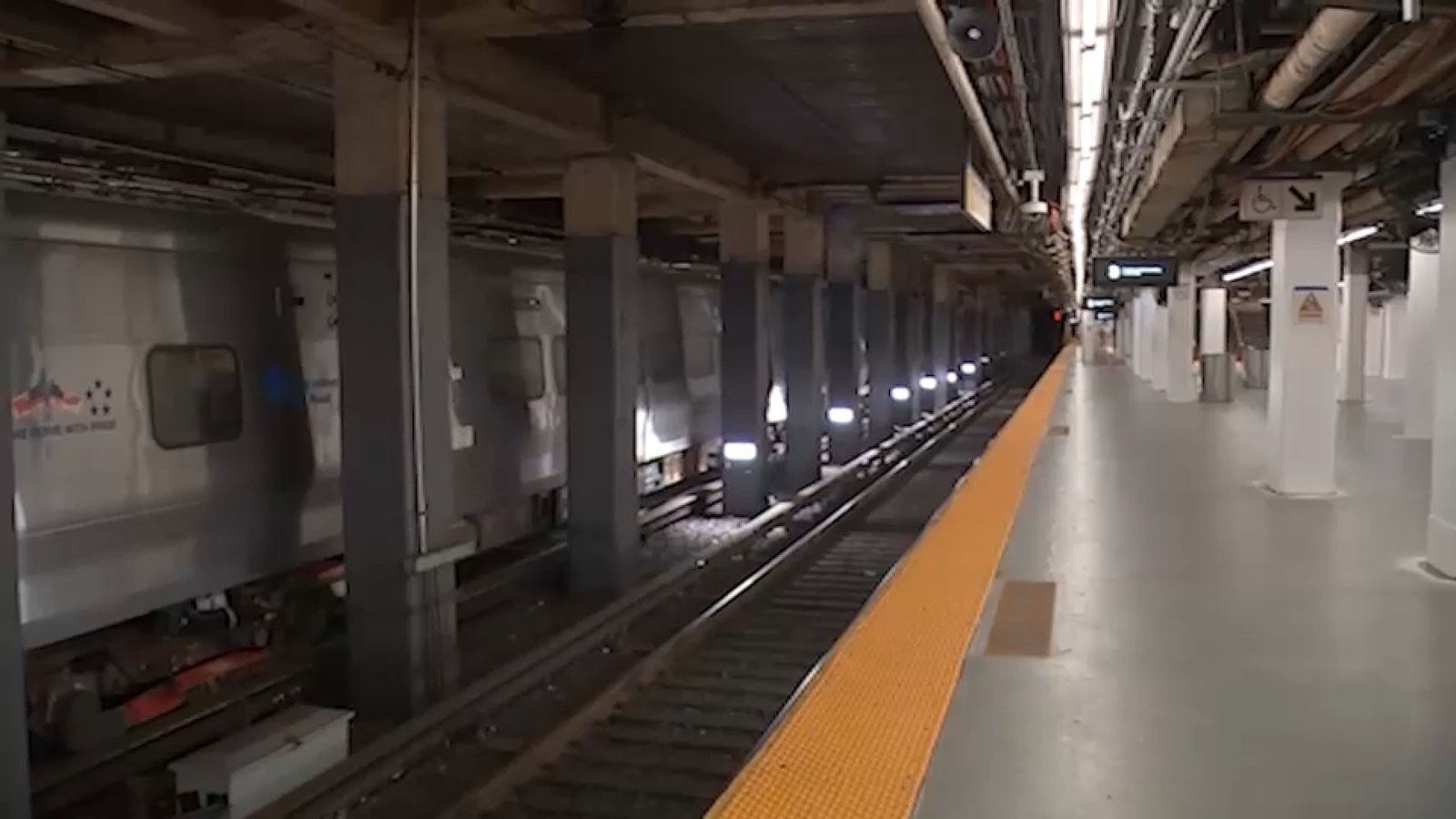
A fire in the East River Tunnel near Penn Station shut down LIRR service into Penn Station and forced diversions to Grand Central, with Amtrak temporarily suspending and then resuming service around 1:30 p.m. MTA warned of possible Friday morning rush-hour delays, reroutes, and cancellations, while NJ Transit Midtown Direct service was diverted into Hoboken Terminal. The disruption is operationally significant for commuters but is unlikely to have a broad market impact beyond transit and infrastructure operators.
This is a classic short-duration operational shock rather than a structural demand event, but the market impact can still be asymmetric because rail networks have very low substitution elasticity during peak hours. The immediate economic loser is any commuter-dependent business flow tied to Midtown access — not just transit operators, but office attendance-sensitive sectors like Class A office landlords, restaurants, and retail that rely on predictable evening traffic. The first-order pain likely lasts days; the second-order risk is a confidence hit that pushes marginal commuters to pre-emptively avoid rail into Friday and early next week, amplifying delays beyond the physical repair window. PATH is the cleanest tradable proxy, but the more interesting angle is competitive re-routing. NJ Transit, PATH, buses, and Grand Central diversion absorb some of the load, which means the true winner is not volume growth but congestion pricing on alternatives: higher utilization, tighter schedules, and elevated incident sensitivity. That creates a near-term asymmetry where PATH may see a modest rider bump without a matching capacity cushion, raising the odds of service slippage and customer dissatisfaction if the disruption persists into the morning peak. The contrarian takeaway is that the market may underprice the persistence of operational frictions after the headline fire fades. Even when service resumes, recovery-period delays can be more damaging than the outage itself because they change commute expectations for several days and can depress office arrival rates at the margin. However, if Friday morning service normalizes quickly, the trade should mean-revert just as fast; this is best treated as a tactical event trade, not a thesis on transit fundamentals.
AI-powered research, real-time alerts, and portfolio analytics for institutional investors.
Request DemoOverall Sentiment
moderately negative
Sentiment Score
-0.45
Ticker Sentiment
