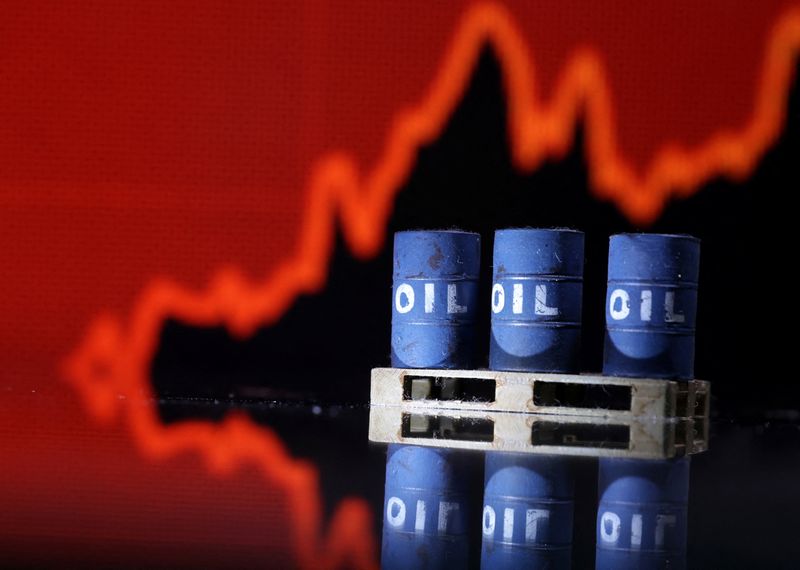
Iran struck multiple regional energy facilities and QatarEnergy's damaged LNG plant has cut roughly 17% of its export capacity and could take up to five years to repair; Brent and European gas spiked while WTI stayed below $100/bl. BCA Research warns SPR releases and speculation about U.S. intervention in futures or an export ban are temporarily suppressing front-end WTI, but with transit through the Strait of Hormuz constrained upside price pressures are likely to persist and could reverse rapidly if the conflict eases.
Market calm in the US crude marker is masking a persistent structural premium in global energy availability; policy tools (strategic releases, export discussions, threats of market interventions) are temporarily capping front-month WTI but not solving the physical flow problem. That distortion creates an asymmetric risk: front-month futures can gap down on policy headlines, but physical scarcity and rerouting risks leave the curve vulnerable to sudden backwardation and rapid front-month spikes once releases slow or shipping insurance/friction intensifies.
The larger, underappreciated chain reaction runs through energy-intensive buyers of compute and logistics. Higher gas and shipping breakevens accelerate fuel-cost pass-through into industrial margins and push corporates to prioritize energy efficiency and CapEx that reduces operating energy per unit of production. For cloud and AI infrastructure, that favors vendors that can deliver higher FLOPS/Watt or faster time-to-deploy racks — a durable demand tilt even if headline macro cools in the next 6–12 months.
Catalyst cadence is near-term (days–weeks) for headline-driven futures moves and mid-term (3–18 months) for capex reallocation and supply repairs. Tail risks: diplomatic escalation that severs key transit lanes would pressure Brent and LNG toward multi-month shocks; conversely negotiated transit reopenings or large SPR replenishments would prompt swift mean reversion. The consensus underweights the speed at which energy shocks can accelerate hardware refresh cycles — that’s the contrarian engine for select tech hardware names versus ad/consumer cyclicals.
AI-powered research, real-time alerts, and portfolio analytics for institutional investors.
Overall Sentiment
mildly negative
Sentiment Score
-0.35
Ticker Sentiment
