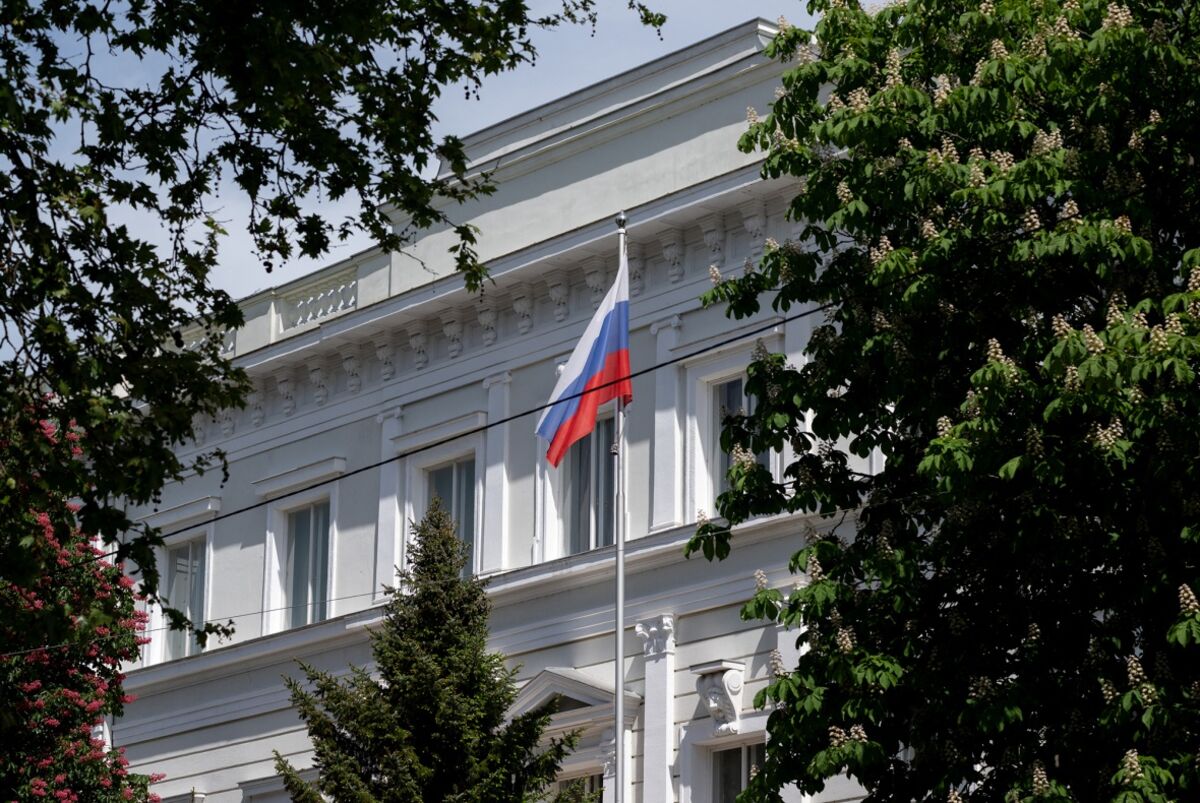
Austria expelled three Russian diplomats after investigators linked their activities to an apparent expansion of signals-intelligence capabilities at Russian embassy buildings in Vienna. The move raises the total number of Russian envoys forced out of the Austrian capital to 14 over the past four years. The article points to ongoing geopolitical tensions and intelligence-related friction, but the direct market impact appears limited.
This is less a standalone diplomatic headline than a symptom of a broader counterintelligence hardening cycle in Europe. The immediate market impact is small, but the second-order effect is that Vienna is becoming a more visible node in the East-West intelligence contest, which increases the probability of tit-for-tat measures, tighter surveillance around foreign missions, and periodic operational disruptions for firms with government, telecom, energy, and defense exposure in Central Europe. The most relevant beneficiaries are not traditional equities but any asset class tied to elevated security spend: perimeter security, secure communications, cyber monitoring, and defense electronics. Over a 6-24 month horizon, this kind of incident reinforces procurement urgency among European governments, especially for signals-intelligence countermeasures and hardened critical infrastructure, which tends to favor contractors with recurring software and services revenue rather than one-off hardware sales. The risk is that investors dismiss this as noise when it can be an incremental catalyst for a broader European security budget reallocation. If diplomatic expulsions keep escalating, the real market mover would be a spillover into sanctions, energy-routing concerns, or cyber retaliation; those would have a much larger effect on risk assets than the article itself. Conversely, if backchannel de-escalation resumes, the headline fades quickly and any trade premised on near-term escalation decays fast. The contrarian view is that the move may be underwhelming relative to the underlying signal: repeated expulsions imply the intelligence issue is persistent, not episodic. That suggests a slow-burn regime shift where Europe's baseline security spend ratchets higher even without a dramatic crisis, creating a durable tailwind for defense and cyber budgets while keeping geopolitical risk premia mildly elevated.
AI-powered research, real-time alerts, and portfolio analytics for institutional investors.
Request DemoOverall Sentiment
mildly negative
Sentiment Score
-0.25
