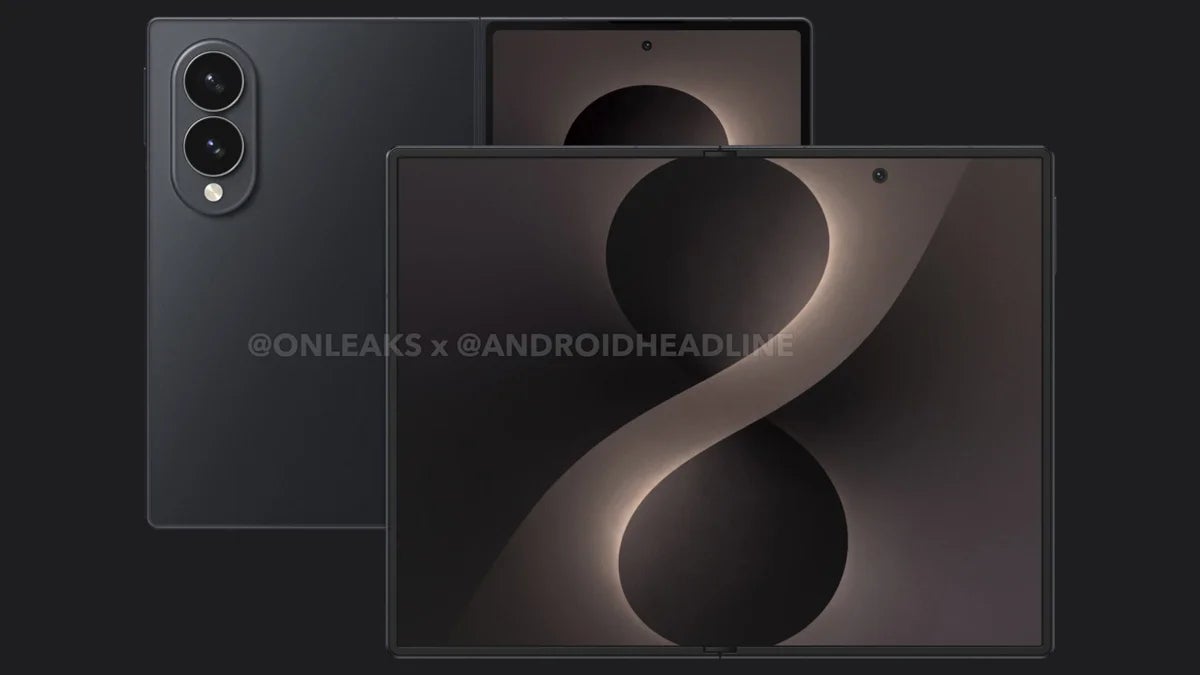
Leaked designs and reports indicate Apple and Samsung are developing new foldable phones (a foldable iPhone and the Galaxy Z Wide Fold) that use a smaller outer display and a wider, tablet-like inner display. The form factor is positioned to appeal to entertainment-focused users (better movie/game aspect ratios) rather than mainstream utility users; the story is experimental and niche, so limited near-term market-moving implications but could influence product strategies and consumer demand segmentation in the smartphone market.
These foldable designs create a clear segmentation opportunity: a narrower external experience paired with a tablet-like inner display targets “lean-back” consumption users rather than the traditional multitask phone buyer. That shifts where incremental monetization comes from — more video hours, higher in-app ad impressions and longer gaming sessions — which should disproportionately benefit ecosystems that can monetize attention (Apple Services, YouTube/Google ad stack). A conservative scenario: if the form factor lifts average weekly watch time by even 5% for a 5m–10m early-adopter base, that implies meaningful incremental annual ad/subscription revenue within 12–24 months.
Supply-chain winners will be those providing wide flexible OLED, robust hinge mechanisms, and bigger display-driver ICs; these are distinct from typical smartphone component winners because panel form-factor and hinge reliability become gating constraints. Expect a 2–4 quarter lead time for volume tooling and a premium on initial flexible-panel supply that supports ~20–30% ASP uplift for early units. Second-order: repair/aftermarket services and insurance rates will rise, creating recurring revenue pools for device manufacturers and carriers if they own those channels.
Key risks: usability/durability failure modes (high return/replacement rates) or user behavior showing negligible incremental engagement would reverse adoption quickly; pricing above consumer willingness-to-pay or poor carrier subsidy support will limit volume to niche status. Near-term catalysts to watch are carrier preorder volumes, teardown reports on hinge reliability, and supplier comments at quarterly calls over the next 3–6 months — any of which can re-rate suppliers and OEM multiples rapidly.
AI-powered research, real-time alerts, and portfolio analytics for institutional investors.
Request DemoOverall Sentiment
mildly positive
Sentiment Score
0.28
Ticker Sentiment
