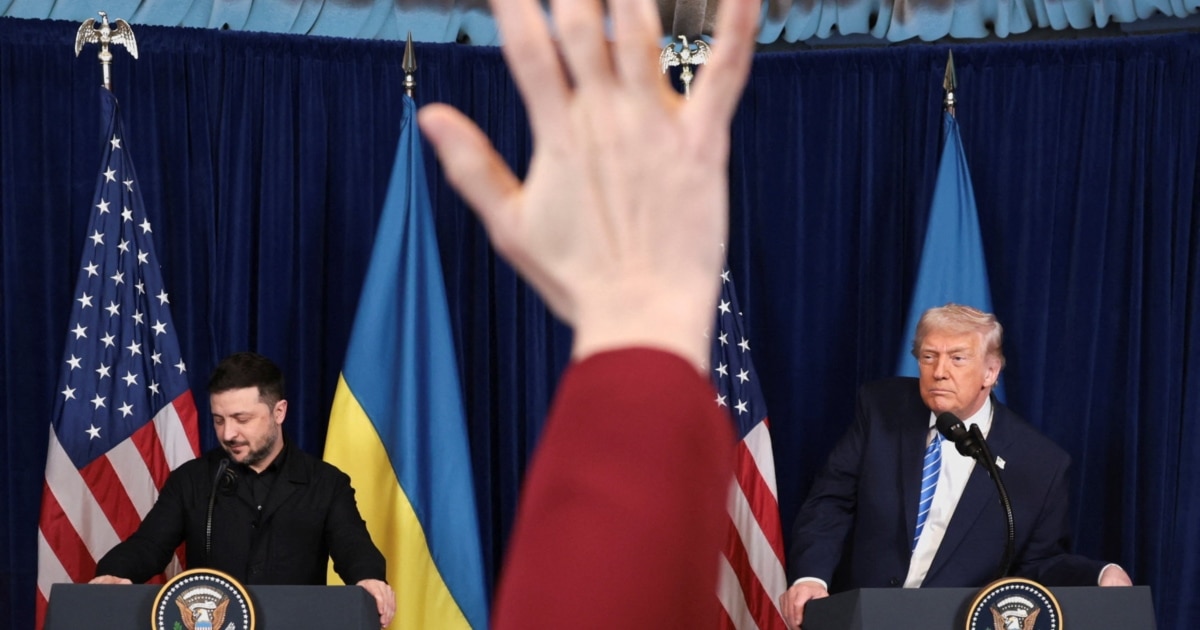
Ukrainian President Volodymyr Zelenskyy met with U.S. President Donald Trump at Mar-a-Lago but left without a peace deal; both leaders agreed U.S. and Ukrainian teams will meet imminently and that Trump will host Ukrainian and European leaders in Washington in January to discuss security guarantees. Trump described talks as “moving in the right direction,” but Russia rejected a temporary cease-fire, continued strikes that left large areas without power, and Putin signaled no willingness to compromise, keeping geopolitical risk elevated. For investors, persistent uncertainty around a negotiated settlement implies continued downside tail risk for regional markets, potential upside pressure on defense names and energy/commodity volatility, and a sustained need to price in elevated geopolitical risk premia.
Market structure: A continued stalemate with episodic diplomacy favors defense primes (Lockheed LMT, Northrop NOC, RTX RTX, ETF ITA) and energy majors (XOM, CVX, XLE) via persistent risk premium in gas/oil and predictable multi-year rearmament budgets. European utilities and banks with Russia exposure, tourism and airlines (AAL, UAL) are direct losers as fuel/insurance costs and regional FX stress compress margins and credit spreads. Cross-assets: expect higher oil (Brent +5–20% tail range), stronger USD (UUP), higher gold (GLD) on tail-risk, and short-term Treasury rally (TLT) into meetings with volatility spikes in equity and commodity options.
Risk assessment: Tail risks include a rapid negotiated cease-fire (deflates defense/energy premiums by >20%), a major Russian offensive or broader sanctions (oil spike >$120, EUR shock), and US policy swings tied to domestic politics (Trump-led concessions or sanctions reversals). Immediate (days): meeting-driven volatility into Jan Washington/Paris events; short-term (weeks–months): order announcements and European defense budget votes; long-term (quarters+): structural capex in defense and LNG capacity shifts. Hidden dependency: US domestic election calculus could materially shift sanctions/enforcement within 3–6 months, changing revenue profiles for defense/energy.
Trade implications: Favor overweight defensive and energy equities for 3–18 months while hedging macro exposure. Use call-spreads on defense names to limit cost and long-dated energy LEAPS to capture sustained premiums; buy tactical gold/TLT as tail hedges into Jan. Monitor catalysts (Jan Washington summit, Paris “coalition” meeting, Brent threshold $90–100, EURUSD <1.03) to add/remove risk.
Contrarian angles: Consensus prices a long stalemate; underappreciated is a rapid, sizeable European rearmament (20–40% tougher 12–24 month order growth) that would lift mid-cap suppliers and specialty industrials. Overdone risk: oil upside could be capped if a cease-fire emerges quickly; thus avoid naked long commodity positions without hedges. Historical parallel: post-2014 defense supplier rerating sustained for years — repeat potential if budgets formalize.
AI-powered research, real-time alerts, and portfolio analytics for institutional investors.
Request DemoOverall Sentiment
moderately negative
Sentiment Score
-0.40
