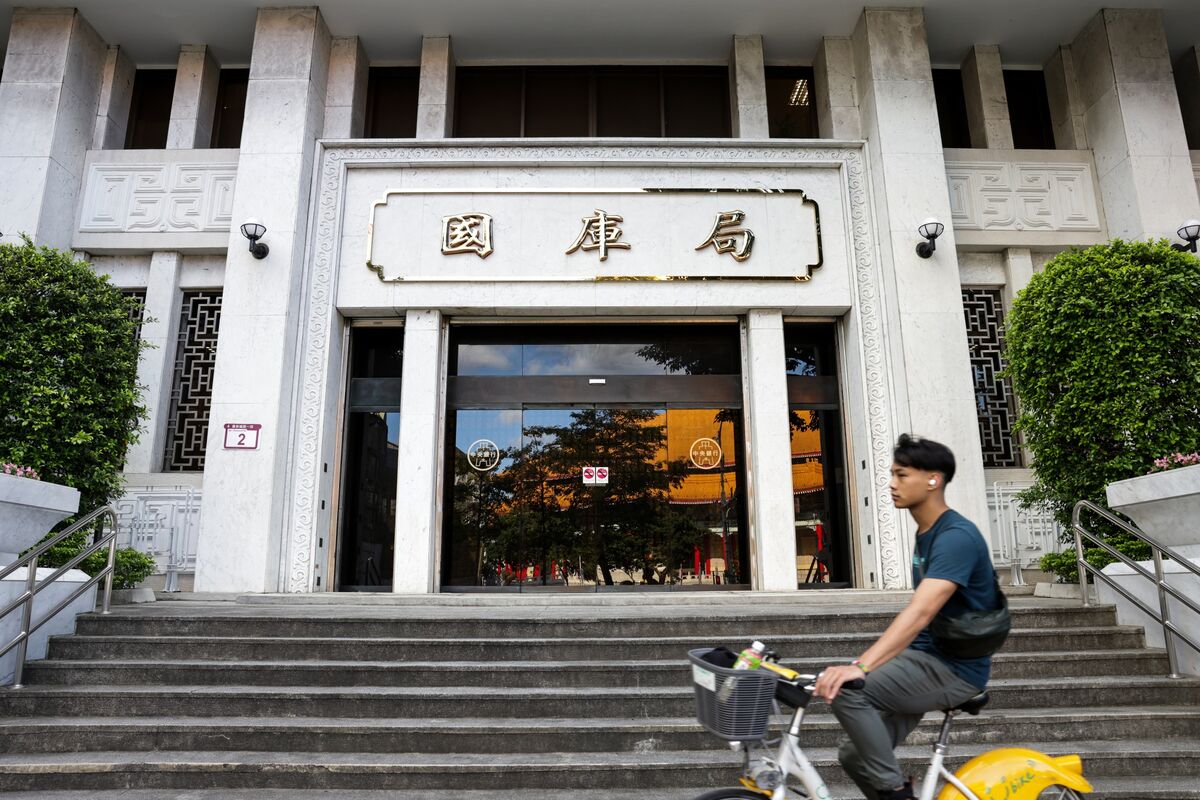
Taiwan's central bank is reportedly considering new foreign exchange regulations that would require foreign stock investors to provide proof of orders before purchasing Taiwan dollars, with currency conversion delayed until the subsequent day. This proposed measure aims to curb speculative currency bets following the Taiwan dollar's recent appreciation, potentially introducing friction and reducing immediate FX flexibility for international capital entering the island's equity market.
Taiwan's central bank is signaling a more interventionist stance on currency management by considering tighter FX rules for foreign equity investors. The proposed policy would require international investors to provide proof of stock orders prior to purchasing the Taiwan dollar, with the currency conversion subsequently deferred until the following day. This measure is a direct response to the recent surge in the local currency and is explicitly aimed at curbing speculative capital inflows not linked to genuine equity investment. By introducing this T+1 settlement mechanism for currency conversion, the policy would create a notable operational friction, separating the timing of FX execution from equity trading and potentially increasing settlement complexity for foreign funds. This regulatory shift, if implemented, could diminish the attractiveness of the Taiwanese market for investors who rely on seamless and immediate execution, such as high-frequency or short-term tactical traders, reflecting the cautious market sentiment.
AI-powered research, real-time alerts, and portfolio analytics for institutional investors.
Request DemoOverall Sentiment
moderately negative
Sentiment Score
-0.40
