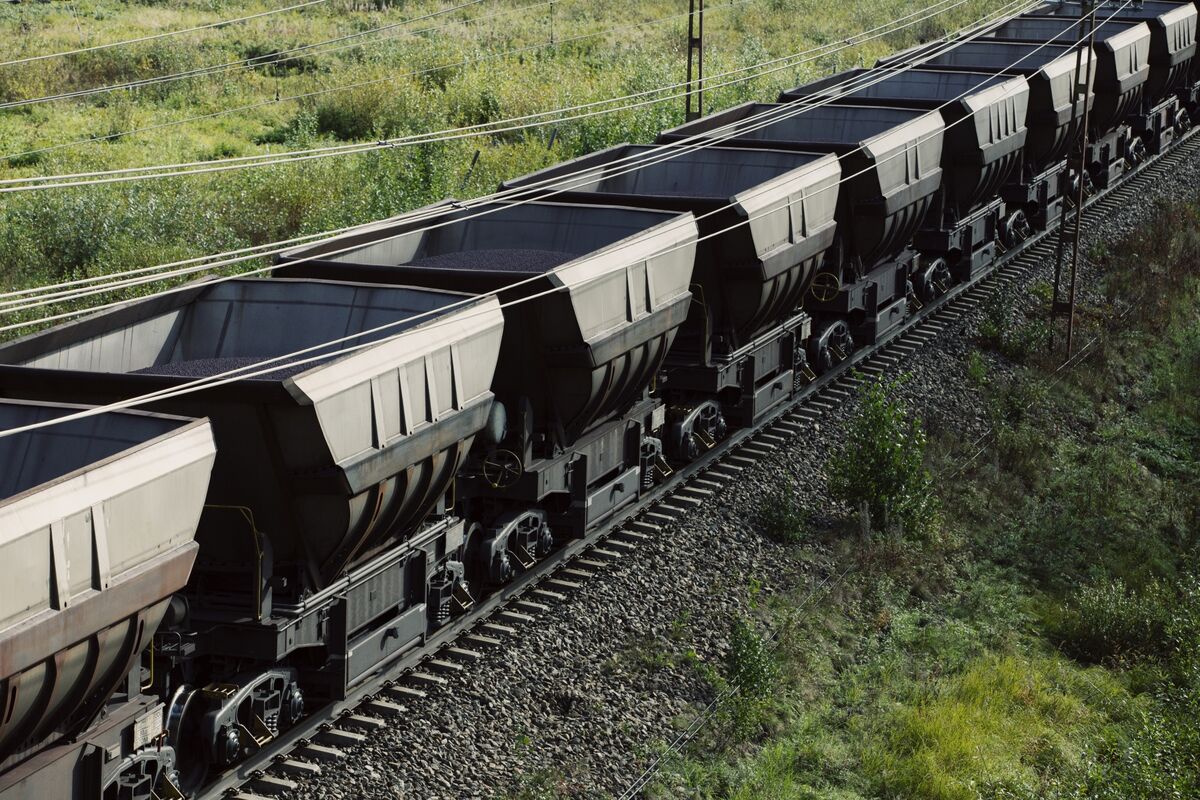
Iron ore futures rose to a three‑week high, trading around $106 a ton in Singapore after consultancy Mysteel reported combined shipments from Australia and Brazil fell by 2.7 million tons in the latest seven‑day period versus the prior week. The near‑term decline in seaborne supply has tightened physical flows and supported prices, a development likely to benefit miners' near‑term revenue while adding cost pressure for steelmakers reliant on imported ore.
Market structure: Shortfall in weekly seaborne shipments tightens near‑term spot liquidity, favoring large integrated iron‑ore producers (BHP, RIO, VALE) who can flex pricing and capture higher spot premiums; steelmakers dependent on seaborne ore (NUE, MT, STLD) face margin squeeze unless they raise product prices within 4–12 weeks. Pricing power shifts toward miners and freight owners; charter rates and voyage times will amplify realized benefits for producers with control of port/stockpile logistics. Expect volatility around weekly Mysteel/S&P port reports as physical flows drive futures basis.
Risk assessment: Key tail risks include a sharp demand shock from China (steel output down >5% m/m), large spot cargo releases (+2–4mt w/w) or Brazil/Australia operational recoveries that could erase the tightness within 2–6 weeks; politically driven export curbs or strikes are upside for prices. Hidden dependencies: steel scrap availability and RMB/AUD moves will alter substitution economics and miners’ FX‑translated revenue; shipping choke points could create transitory spikes but not sustained tightening. Watch Chinese PMI, weekly port inventories, and Vale production notices as near‑term catalysts.
Trade implications: Tactical long exposure to major miners for 1–3 months to capture spot premium, funded by modest shorts in mid‑tier, high‑domestic‑cost steelmakers; use call spreads to limit downside if supply normalizes. Consider pair trades (long BHP, short NUE) to express ore driven margin divergence while hedging China demand risk. Use volatility strategies around weekly data releases: buy 2–3 week straddles on SGX iron‑ore futures or sell iron ore calendar spreads if forward curve steepens.
Contrarian angles: Market may underweight the reversibility of this shock — a 2.7mt weekly drop is meaningful but not structural; if Chinese stimulus stalls and steel runs fall by 3–5% q/q, prices could retrace to sub‑$95 within 6–12 weeks. Historical parallels (2021 spikes) show miners capture short windfalls but supply responses and demand elasticity cap upside; unintended consequences include accelerated scrap substitution and longer‑term capex decisions that could mute miners’ multi‑quarter gains.
AI-powered research, real-time alerts, and portfolio analytics for institutional investors.
Request DemoOverall Sentiment
mildly positive
Sentiment Score
0.30
