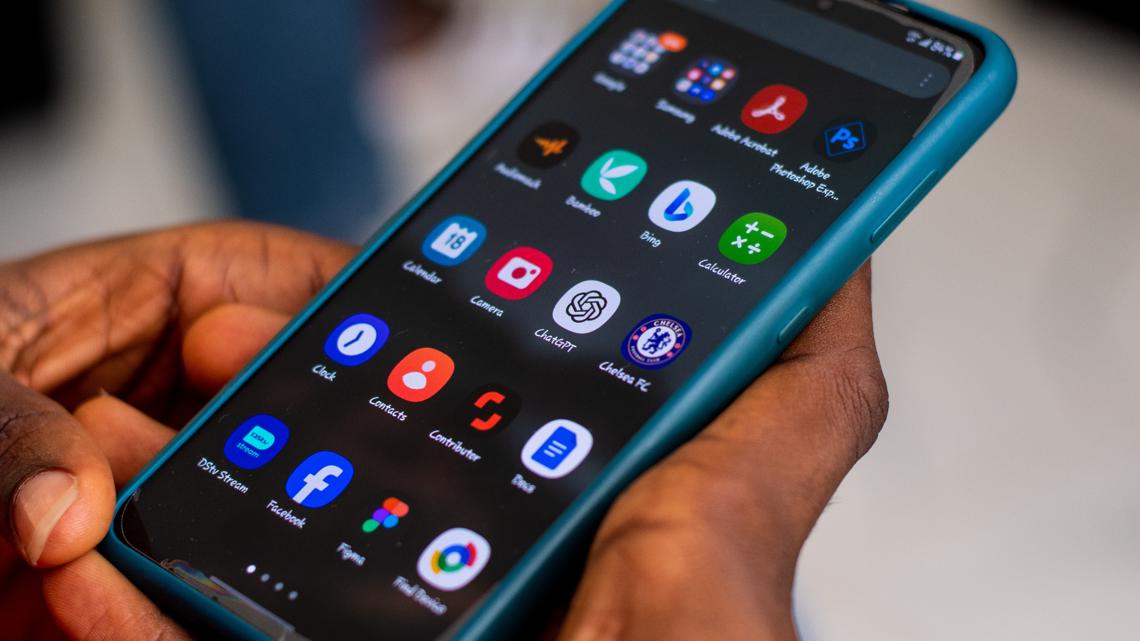
Google agreed to a $135 million settlement in a US class-action alleging Android collected users' cellular data without consent; individual payouts are capped at $100 and up to 33% of the fund can go to attorneys' fees. Roughly 100 million people are potentially eligible (used Android on cellular after Nov. 12, 2017); payments will be distributed electronically if the settlement is approved at a June 23 final hearing. Google must update Play Terms/help pages and disable a misleading background-data toggle; the company denies wrongdoing, and the direct financial impact is immaterial relative to Alphabet's market cap.
This is a reputational and regulatory precedent more than a direct earnings event for the ad platform — the cash outlay and one-off remediation are immaterial to free cash flow but the procedural outcome raises the bar on transparency and UI controls. Over the next 6–18 months expect incremental compliance engineering and product changes that will reduce opaque background signal collection; model a low-single-digit decline in passive telemetry availability for ad targeting unless Google substitutes with alternative consensual signals.
Competitive dynamics: marginally positive for competitors that can credibly claim cleaner permissioning (walled gardens, privacy-focused ad exchanges) and for vendors that monetize consented first‑party data or payment rails that increase wallet engagement. Payment rails and digital-wallet providers will see transient microflows and customer touchpoints from any payout mechanism and associated outreach — negligible revenue lift but useful attribution data and marketing re-engagement opportunities over quarters.
Risks and catalysts: the near-term court decision is a binary catalyst that could either close the chapter or invite appeals and state-level follow-ons, which would extend reputational drag into years. Watch for three reversal mechanisms: a judge refusal/appeal that amplifies headlines, regulatory inquiries that broaden the scope beyond Android settings, and product fixes that effectively restore signal parity by replacing background telemetry with opt-in alternatives; timeline for each ranges from weeks (hearing) to quarters (regulatory) to 12–24 months (product engineering).
AI-powered research, real-time alerts, and portfolio analytics for institutional investors.
Request DemoOverall Sentiment
mildly negative
Sentiment Score
-0.15
Ticker Sentiment
