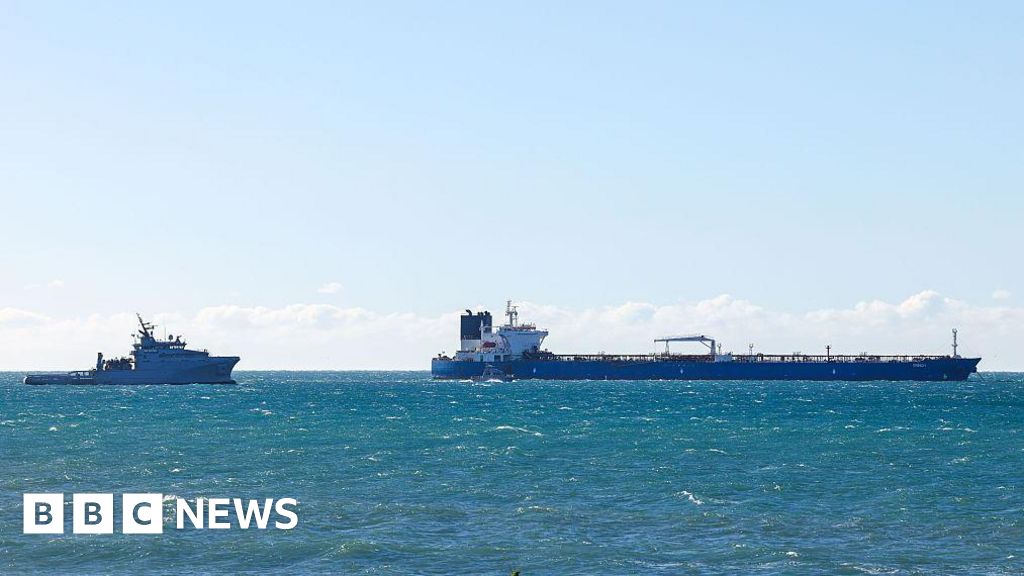
France has released the tanker Grinch, seized in the Mediterranean in January on suspicion of being part of Russia’s sanctions‑busting ‘shadow fleet,’ after the owner paid a financial penalty described as “several million euros” and following about three weeks of immobilisation at Fos‑sur‑Mer under a guilty plea procedure. The case underscores stepped‑up Western enforcement against opaque, aging tankers used to evade oil sanctions (TankerTrackers estimates ~1,468 vessels), a trend that may incrementally tighten illicit oil flows but is unlikely to cause immediate large swings in global energy markets.
Market structure: Accelerated enforcement raises operating costs for opaque/aged “shadow fleet” owners and increases bargaining power for compliant public tanker owners (VLCC/MR operators). Expect time-charter (TC) rate upside of 10–30% over 3–6 months if enforcement removes even 1–3% of effective tonne-mile capacity; oil price impact is likely modest but regional crude flows to non-West buyers could tighten seaborne availability regionally.
Risk assessment: Tail risks include state-to-state escalation (military interdiction or cyber attacks on ports) and a coordinated insurance embargo that could instantly ground uninsured tankers; low-probability but high-impact and could spike freight volatility >50% intramonth. Immediate (days) — idling/re-routing noise; short-term (weeks/months) — TC rate repricing and legal churn; long-term (quarters/years) — structural reflagging, tighter brokerage/insurance spreads and capital rotation into modern fleets.
Trade implications: Tactical winners are publicly listed tanker owners with transparent compliance (e.g., FRO, DHT, EURN) and FFA/TC-linked players; losers include niche HY shipping credits and P&I/war-risk underwriters. Options: use call or call-spread exposure to tanker equities and 3–6 month Brent call spreads to hedge downside if flows re-route; credit avoidance of small-cap shipping bond paper.
Contrarian angle: The market underestimates enforcement persistence — fines (several million euros) are a recurring tax that raises breakeven for shadow voyages and could remove marginal supply permanently. However, rapid reflagging and covert ownership make many seizures slow and noisy rather than immediately capacity-destroying, so size positions for 3–9 month windows and use stop-losses tied to TC/FFA moves rather than headline counts.
AI-powered research, real-time alerts, and portfolio analytics for institutional investors.
Request DemoOverall Sentiment
neutral
Sentiment Score
0.00
