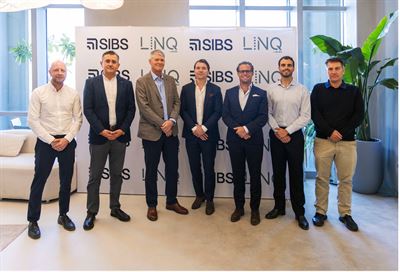
SIBS AB has entered a strategic collaboration with LINQ Modular (part of ALEC Holdings) to scale industrialised volumetric modular construction across the Middle East, aiming to deliver at least 1,500 modular units per year subject to project awards and approvals. The partnership pairs SIBS’ large-scale manufacturing capacity and track record (~7,000 apartments delivered globally; scalable capacity ~6,000 homes/12,000 modules) with LINQ/ALEC’s regional delivery and a Dubai Municipality modular license enabling G+6 buildings, touting ~40% faster timelines, up to 30% lower production costs and up to 50% lower energy use versus traditional construction. The deal could accelerate housing supply in Gulf urban centres and is material for investors in SIBS (Nasdaq Stockholm-listed) and regional construction exposures as it expands a factory-built pipeline and regulatory-enabled market access.
Market structure: The SIBS–LINQ tie-up creates a vertically integrated modular supply chain in the Gulf that favors factory-capable OEMs (SIBS/STOCK: SIBS.ST) and platform-enabled developers while pressuring margins of traditional stick‑builders and heavy-material suppliers. Expect faster delivery (article cites ~40% time savings) to increase effective annual housing supply in target projects by mid-2026, capping near-term pricing power for speculative developers but improving project completion rates for creditworthy sponsors. Cross-asset: modest downward pressure on regional construction commodity demand (cement/steel) over 2–5 years; small positive for UAE sovereign/tax-backed project credit via faster collateralized completions; FX impact minimal given AED/USD peg.
Risk assessment: Tail risks include regulatory reversals (municipal approvals rescinded or tightened), factory ramp failure or quality recalls, and client credit shock if buyers don’t accept modular product—each could wipe out >30–50% of near-term expected cashflows for projects. Immediate market reaction (days) will be sentiment-driven; material contract awards in 3–12 months are the main short-term catalyst; structural adoption and margin normalization play out over 2–5 years. Hidden dependencies: local labor rules, import content and warranty regimes, and factory logistics (port, transportation) are single points of failure.
Trade implications: Primary direct play is a modest long in SIBS (SIBS.ST) on confirmed ramp and order flow; pair trades can be long SIBS vs short regional non-integrated contractors/commodity-exposed names. Options strategy: buy 12–18 month LEAPS calls on SIBS and fund with short 2–3 month calls (calendar) to monetize near-term over-optimism. Rotate portfolio 2–4% overweight into Construction Tech/modular manufacturers and underweight pure-play cement/steel producers until utilization thresholds are proven (factory utilization >50% sustained for two quarters).
Contrarian angles: Consensus assumes modular adoption is smooth—history (1960s/90s prefab cycles) warns of quality/brand setbacks that can stall adoption for years; a single high-profile defect or warranty wave could reverse investor sentiment. The Dubai municipal license is a moat short-term but replicable elsewhere; incumbents with deep pockets may vertically integrate, compressing SIBS’ pricing premium over 3–5 years. Monitor unit economics per module and warranty reserve build-up—if margins compress >500bps vs guidance, thesis should be reweighted.
AI-powered research, real-time alerts, and portfolio analytics for institutional investors.
Request DemoOverall Sentiment
moderately positive
Sentiment Score
0.45
