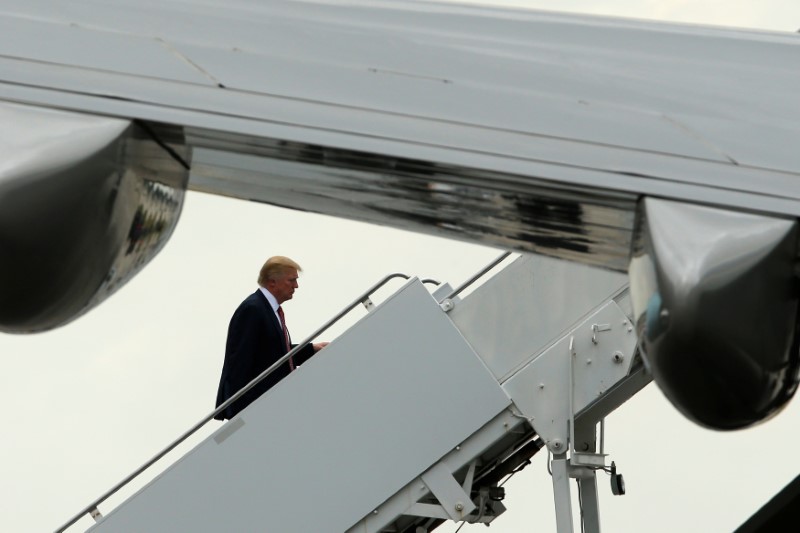
The House narrowly defeated a Democratic-led war powers resolution on Iran by a 212-212 tie, marking the third failed House vote on the issue this year. The Senate also blocked a similar measure 50-49, underscoring how close congressional opposition to the Iran military campaign has become. The article is primarily political and geopolitical rather than market-specific, with limited direct equity impact.
The immediate market read-through is not about war risk per se; it is about the durability of the current policy path. A close congressional split increases the probability of repeated, headline-driven risk premia across defense, energy, and semis, but the bigger second-order effect is that each failed resolution lowers the perceived odds of near-term institutional constraint on executive action. That tends to support a higher geopolitical volatility floor over the next 1-3 months, which is usually bullish for defense primes and select cyber names, but less cleanly so for broad risk assets. For NVDA specifically, the article is only relevant if investors believe geopolitical escalation can impair AI supply chains or accelerate strategic spending. The more important angle is that political gridlock around war powers reinforces the theme of accelerated domestic capex and sovereign tech competition, which can keep AI infrastructure spending elevated even if export controls tighten further. That said, NVDA’s sensitivity here is indirect and low-beta; any immediate upside from the headline is likely to fade unless it feeds into a broader “national security AI” budget narrative. The contrarian read is that this is not an unambiguous bullish geopolitical signal. A tie vote means congressional resistance is getting stronger, not weaker, and that can cap escalation expectations while keeping policy uncertainty high—worst of both worlds for position sizing. In practice, the market may overprice defense and energy on headline risk while underpricing the possibility that an eventual diplomatic off-ramp or restraint from the executive branch rapidly compresses those premiums within days.
AI-powered research, real-time alerts, and portfolio analytics for institutional investors.
Overall Sentiment
neutral
Sentiment Score
-0.05
Ticker Sentiment
