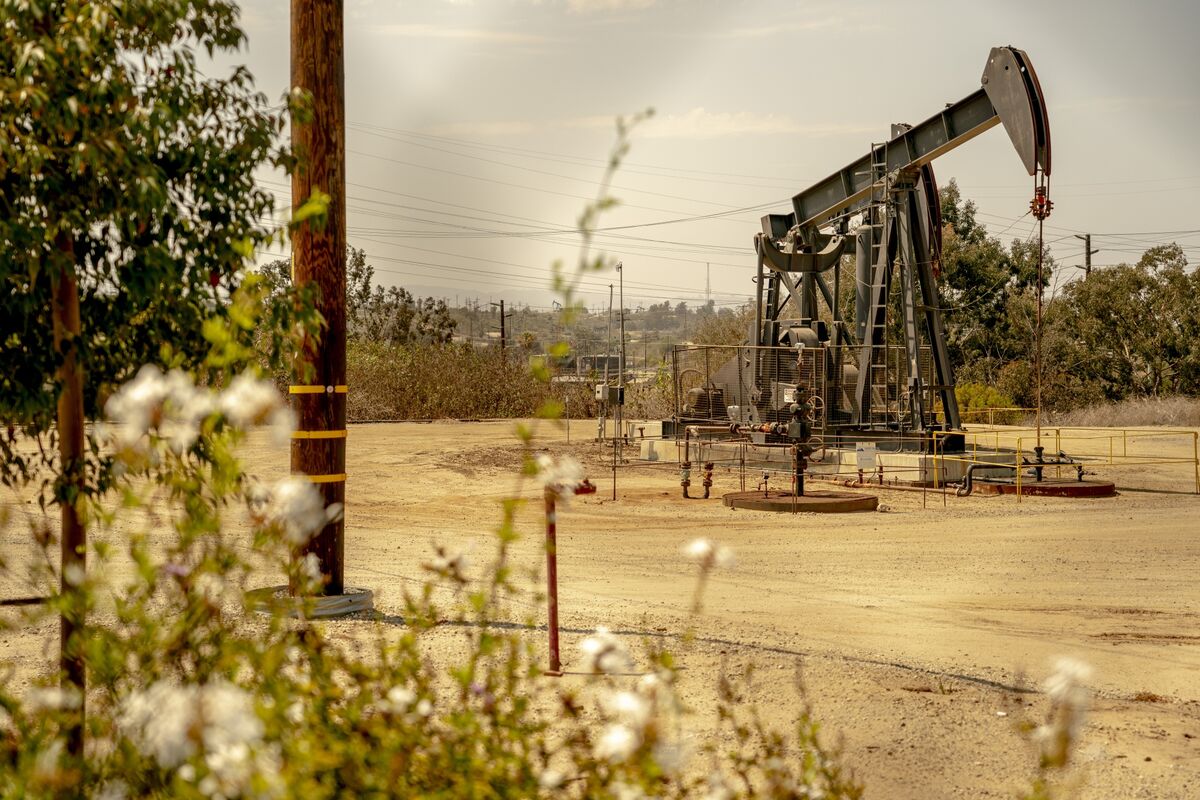
The U.S. Energy Information Administration projects a decline in domestic crude oil production to 13.37 million barrels per day in 2026, down from 13.42 million in 2025, marking the first decrease since 2021. This revision, a 120,000 barrel-per-day reduction from May's forecast, undermines efforts to increase American energy dominance.
The U.S. Energy Information Administration (EIA) has revised its domestic crude oil production forecast, now anticipating a decline in 2026 to 13.37 million barrels per day from an estimated 13.42 million barrels per day in 2025. This projected 50,000 barrel-per-day decrease, if realized, would be the first annual contraction in U.S. crude output since 2021. Notably, this 2026 forecast is 120,000 barrels per day lower than the agency's previous projection in May, indicating a more subdued outlook for U.S. supply growth. While the absolute volume of the decline is modest, the directional shift and the magnitude of the revision suggest a potential plateauing of the recent rapid expansion in American oil production, which could have implications for global oil market balances and price dynamics. The development is also framed within a political context, potentially affecting discussions around U.S. energy policy and objectives of energy dominance.
AI-powered research, real-time alerts, and portfolio analytics for institutional investors.
Request DemoOverall Sentiment
moderately negative
Sentiment Score
-0.35
