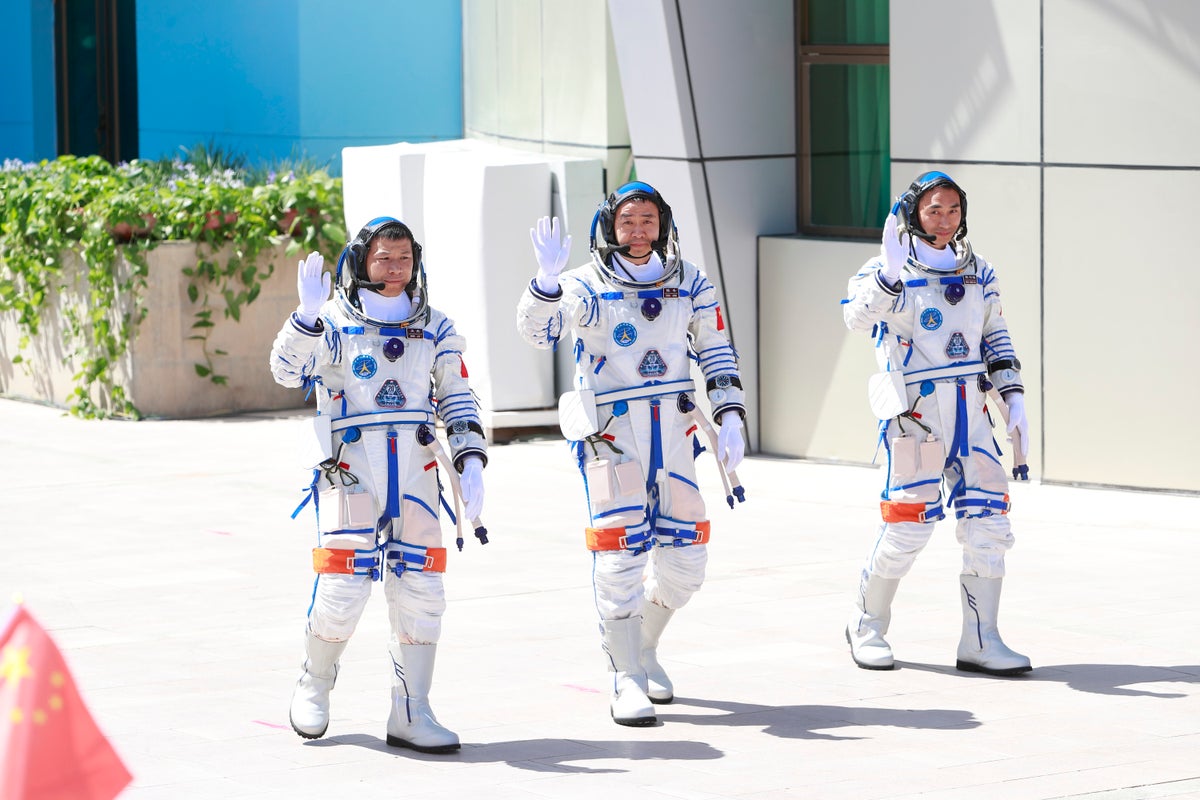
The China Manned Space Agency's delay of three astronauts' return due to space junk striking their Shenzhou 20 spacecraft highlights a critical and escalating risk to the $600 billion global space economy. This incident, the first known to affect a crewed return, underscores the growing threat of orbital debris, which endangers vital space infrastructure, increases operational costs for the 13,000 active satellites through frequent avoidance maneuvers, and raises concerns about the potential for Kessler syndrome. The proliferation of mega-constellations and a lack of international coordination exacerbate this systemic risk, posing significant challenges for space sector investments and operations.
The recent delay in the Shenzhou 20 spacecraft's return, caused by a space junk strike, marks a critical escalation in orbital debris risk, directly impacting human spaceflight for the first time. This incident underscores the growing threat to the global space economy, valued at over $600 billion, from proliferating human-made objects. Experts warn this event was inevitable given the increasing density of space debris.
The problem is exacerbated by over 45,000 human-made objects in orbit, with 83% of tracked debris residing in Low-Earth Orbit (LEO) where 13,000 active satellites operate. This necessitates tens of thousands of avoidance maneuvers annually, a number projected to grow exponentially, significantly increasing operational costs and the risk of a catastrophic Kessler syndrome chain reaction. The real danger also lies in smaller, untrackable debris traveling at extreme velocities.
Future plans for mega-constellations, such as SpaceX's Starlink and Nvidia's emerging Starcloud, will further intensify orbital congestion, as there are currently no limits on satellite launches. This systemic risk is compounded by the absence of effective space debris cleanup solutions and a critical lack of international coordination, particularly between major spacefaring nations like the U.S. and China. The negative sentiment around NVDA (-0.3) reflects this heightened concern for companies involved in new space initiatives.
AI-powered research, real-time alerts, and portfolio analytics for institutional investors.
Overall Sentiment
strongly negative
Sentiment Score
-0.70
Ticker Sentiment
