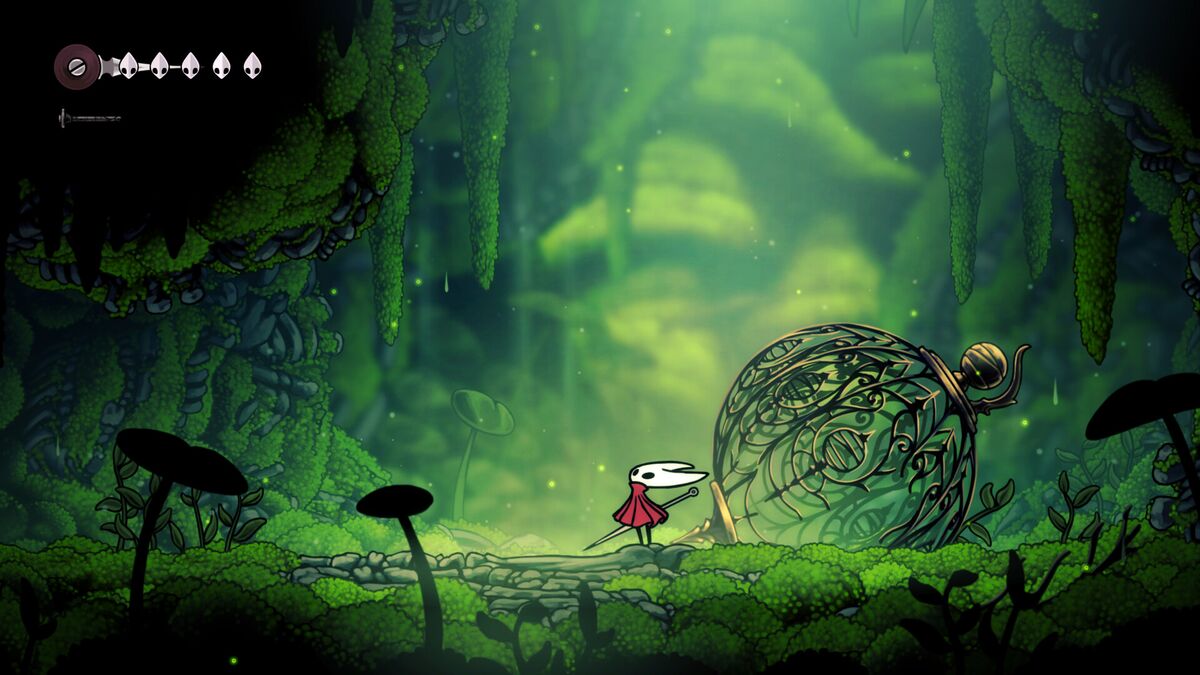
Team Cherry, the indie developer behind Hollow Knight, confirmed it is working on new content for its popular action game Silksong in a subscriber-only interview. The update suggests ongoing post-release support that could sustain player engagement and monetization over time, but the article provides no timing, revenue, or monetization details, so near-term investor impact is minimal.
Market structure: Team Cherry’s continued post-launch content for Silksong reinforces the long-tail economics of indie hits — beneficiaries are platform owners (Nintendo NTDOY and Steam/Valve), engine vendors (Unity U) and digital distribution ecosystems; incumbent AAA publishers see attention fragmentation rather than direct revenue loss. Expect modest reallocation of user time: a 1–3% uplift in Switch/PC engagement around major indie releases can translate to outsized digital sales for low-cost titles, improving margin profiles for platforms while capping pricing power for blockbuster-heavy publishers.
Risk assessment: Immediate reaction risk is small (days) absent a surprise release date; short-term (weeks–6 months) hinges on announcement cadence and reviews, long-term (6–24 months) on sustained user discovery algorithms and platform deals. Tail risks include a major negative review or platform exclusivity dispute that can wipe 20–40% of expected incremental revenues for an indie hit, and hidden dependencies are discoverability algorithms and engine licensing terms that can materially change monetization.
Trade implications: Tactical exposure should favor engine/platform exposure over pure-play publishers — these capture a larger share of many small hits. Options strategies (9–12 month call spreads) on NTDOY and long-dated calls on U capture upside with defined risk; consider small pair trades (long U, short AAA publisher like ATVI) to express secular shift toward indie tooling.
Contrarian angles: Consensus underestimates recurring revenue from post-launch content for indies; the market often underprices engine vendors’ optionality. Conversely, hype may be overdone for retail meme names (GME) that don’t benefit structurally; historical parallels (Hollow Knight/Stardew) show initial spikes can compound into multi-year catalog value, but discoverability saturation is a real downside that can compress returns.
AI-powered research, real-time alerts, and portfolio analytics for institutional investors.
Request DemoOverall Sentiment
neutral
Sentiment Score
0.10
