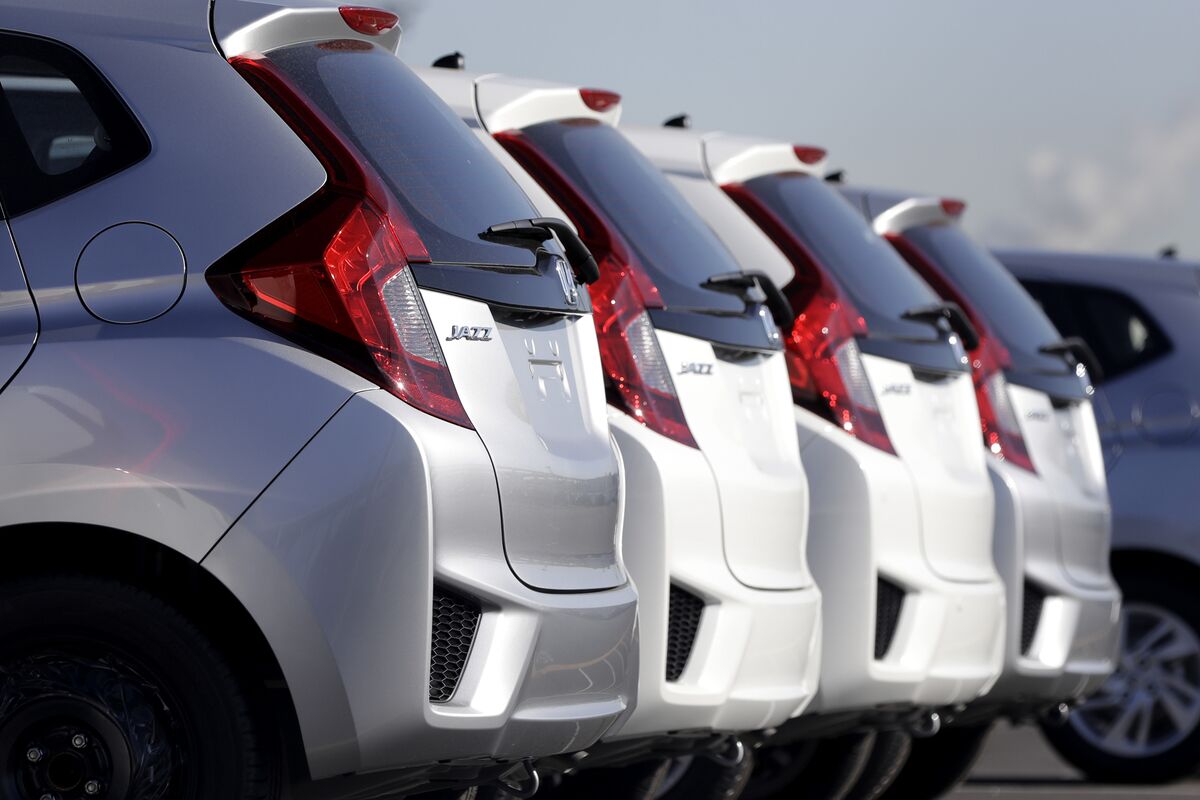
Japan's chief trade negotiator, Ryosei Akazawa, reiterated the country's firm rejection of proposed US 25% auto tariffs, citing that Japanese automakers produce 3.3 million vehicles annually within the US, significantly exceeding the 1.37 million exported there. He emphasized their substantial investment of over $60 billion and the creation of 2.3 million local US jobs, underscoring the economic implications of such tariffs ahead of ongoing trade negotiations in Washington.
Japan's chief trade negotiator, Ryosei Akazawa, has firmly reiterated the country's opposition to proposed 25% U.S. auto tariffs ahead of the seventh round of trade talks. This defensive posture, reflected in a mildly negative sentiment signal, is underpinned by quantifiable data emphasizing the deep integration of Japanese automakers within the U.S. economy. The core of Japan's argument is that its firms manufacture 3.3 million vehicles annually in the U.S., a figure more than double the 1.37 million units exported to the country. Furthermore, the negotiator highlighted a cumulative investment of over $60 billion and the creation of 2.3 million local jobs, framing Japanese auto companies as significant domestic economic contributors rather than just foreign exporters. This statement signals that the upcoming negotiations will be contentious, with the potential tariff representing a major point of friction that could disrupt a critical supply chain and impact a sector with a substantial U.S. presence.
AI-powered research, real-time alerts, and portfolio analytics for institutional investors.
Request DemoOverall Sentiment
mildly negative
Sentiment Score
-0.30
