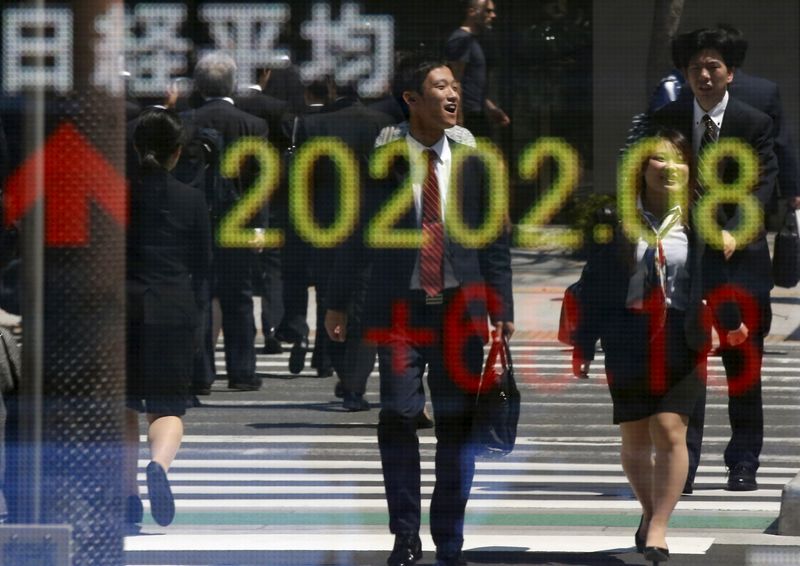
Most Asian equities rose, led by a rebound in technology shares, as in-line U.S. inflation data supported expectations for Federal Reserve rate cuts, despite broader concerns over a potential U.S. government shutdown. Japan, however, significantly lagged due to a strengthening yen pressuring export stocks, while markets await central bank decisions from Australia, where the RBA is expected to hold rates but could signal a November cut, and India, which may trim its cash reserve ratio.
Asian equity markets demonstrated a bifurcated performance, with most indices advancing while Japanese markets significantly underperformed. The primary driver for gains in markets like South Korea's KOSPI (+1.1%) and Hong Kong's Hang Seng (+1.5%) was a rebound in technology shares, buoyed by a retreat in U.S. Treasury yields. This yield movement followed in-line U.S. PCE inflation data, which reinforced market expectations for further Federal Reserve interest rate cuts. In contrast, Japan's Nikkei 225 and TOPIX indices slid 1.8% and 1.0% respectively, as a strengthening yen created a significant headwind for the nation's export-oriented stocks. The yen's appreciation is attributed to both a weaker U.S. dollar and mounting speculation of a potential rate hike by the Bank of Japan. Investor caution persists due to several macro risks, including the potential for a U.S. government shutdown and new trade tariff announcements. All eyes are now on upcoming central bank meetings, with the Reserve Bank of Australia expected to hold rates but potentially signal a November cut, and the Reserve Bank of India anticipated to hold its benchmark rate while possibly trimming its cash reserve ratio to signal monetary easing.
AI-powered research, real-time alerts, and portfolio analytics for institutional investors.
Overall Sentiment
moderately positive
Sentiment Score
0.40
