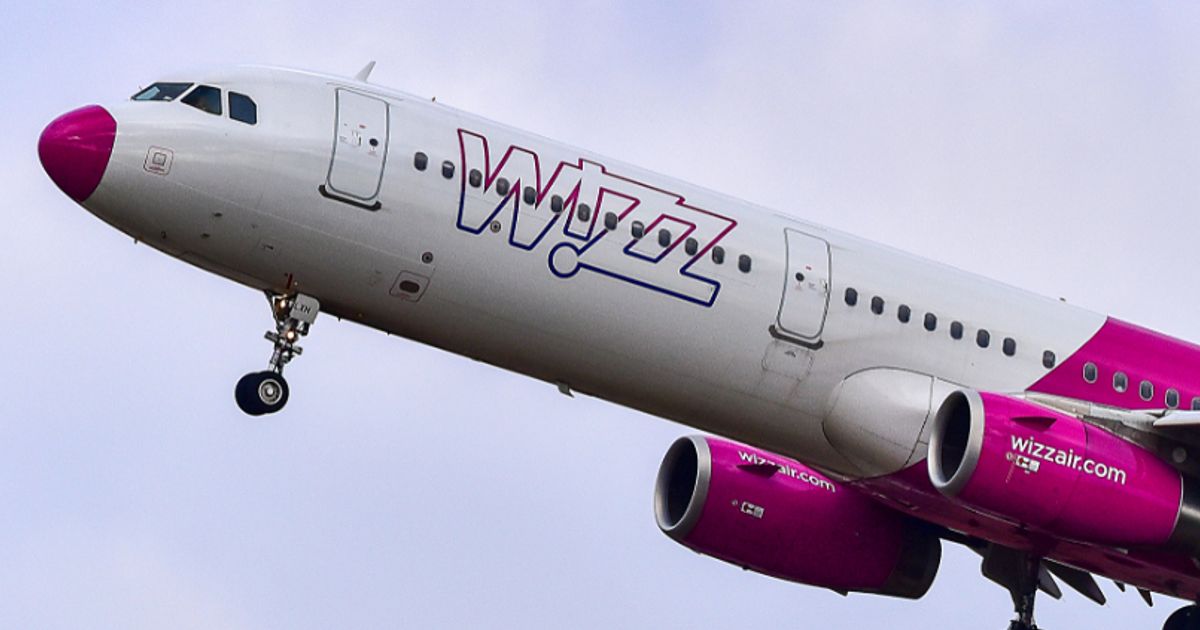
Wizz Air Holdings PLC is strategically reducing its presence at Gatwick Airport, citing high operating costs and unfavorable slot timings that are eroding profitability. The airline will redeploy one aircraft to Luton, increasing its fleet there to 13 while Gatwick's drops to seven, as it optimizes its network for commercial viability amidst capacity constraints and rising fees at high-demand airports.
Wizz Air Holdings PLC is strategically reallocating capacity by shifting flights from London Gatwick to London Luton, citing high operating charges and suboptimal slot timings at Gatwick as key drivers for reduced commercial viability. This move, articulated by CEO József Váradi, aims to "churn" the network towards more profitable bases, reflecting a proactive approach to cost optimization. The airline will redeploy one aircraft, increasing its Luton-based fleet to 13 while reducing Gatwick's to seven.
Gatwick's long-standing near-full capacity has led to elevated fees for airlines, compressing margins despite robust passenger demand. While a new runway is planned, its operational timeline extends into the 2030s, indicating persistent capacity constraints and high costs in the interim. Wizz Air's decision underscores the ongoing pressure on low-cost carriers to manage operational expenses in congested, high-demand airport environments.
The airline's simultaneous trial of a new "Wizz Class" option in December, offering premium services for an added charge, suggests a dual strategy of cost efficiency and revenue diversification. This initiative aims to capture additional revenue streams from passengers seeking enhanced comfort and priority, potentially improving unit economics. The overall sentiment for this strategic shift is moderately positive, indicating market approval for the focus on profitability.
AI-powered research, real-time alerts, and portfolio analytics for institutional investors.
Overall Sentiment
moderately positive
Sentiment Score
0.50
