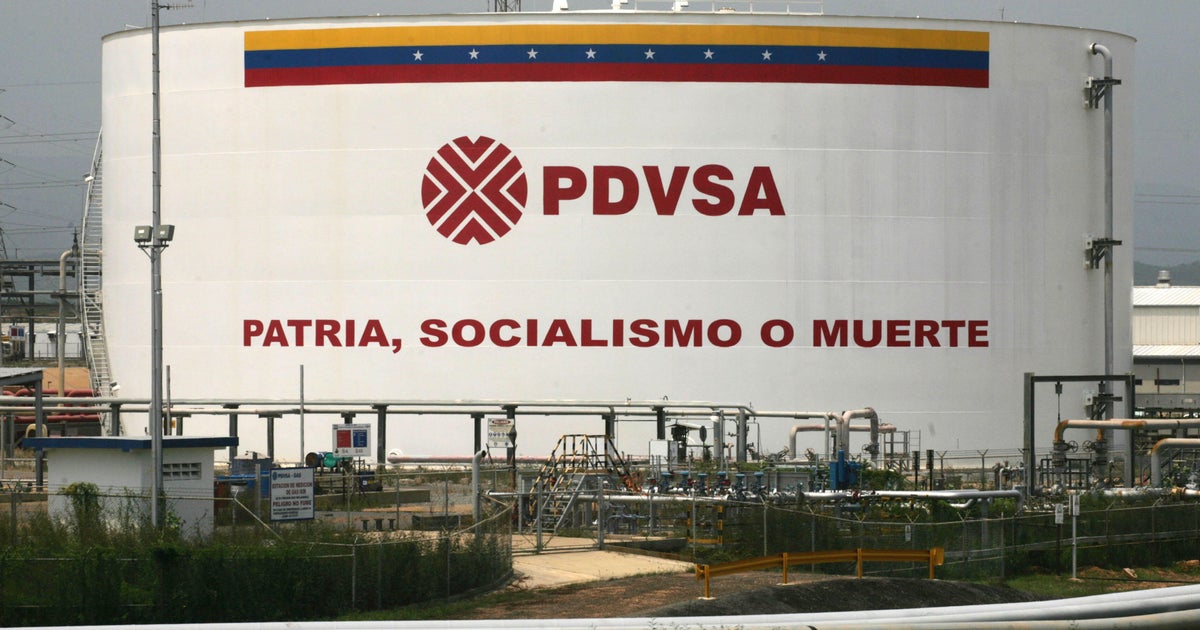
Venezuela is estimated to hold roughly 300 billion barrels of crude in the Orinoco belt, but significant uncertainty remains about how much is technically and economically accessible given degraded infrastructure and sanctions. Restoring production would require re-establishing leases, mobilizing U.S. oil companies and engineering contractors (e.g., Halliburton, Bechtel) and substantial capital and time; output has fallen from around 3 million barrels/day historically to about 1 million b/d today. Near-term U.S. gasoline prices are unlikely to fall materially, and any production recovery would likely first benefit the Venezuelan economy before meaningfully adding to global supply. Managers should treat this as a geopolitically contingent, multi-quarter-plus opportunity rather than an immediate market-changing supply event.
Market structure: Reopening Venezuelan production is a contractor-led story, not an immediate crude supply deluge. Expect engineering & services names (Halliburton HAL, Baker Hughes, service- heavy small caps, XES ETF) to capture early upside as rigs, pumps and export capacity are repaired over 6–24 months; upstream E&P pricing power could be eroded only if >300–500 kbpd is restored within 12 months. U.S. pump prices unlikely to fall materially in the next 3–6 months; material downward pressure on Brent/WTI occurs only if Venezuela sustainably returns >0.5–1.0 mbpd over 12–36 months, something that requires reinvestment and sanction relief.
Risk assessment: Key tail risks include a rapid re-imposition of U.S./EU sanctions (weeks–months), domestic sabotage/civil unrest destroying repaired assets (months–years), or OPEC+ offsetting any Venezuelan addition (near-term). Hidden dependencies: access to hard currency, insurers, and third-party drilling capital; if contractors can’t repatriate revenues, projects stall. Catalysts to watch: OFAC license changes and U.S. court rulings in next 30–90 days, announced service contracts in 3–9 months, and PDVSA output data monthly.
Trade implications: Tactical winners—service contractors and mid-cap engineering contractors—gain earlier and with lower political exposure than E&P owners; integrated majors gain less asymmetrically. Consider relative-value trades that express contractor exposure while hedging crude-price risk; use options to control timing since execution risk is front-loaded to the sanction/legal timeline (0–6 months) and delivery risk is 6–36 months. Fixed-income: reduced inflation expectations from higher oil could lower breakevens and long-term yields if supply additions materialize (12–36 months).
Contrarian angles: Consensus expects long lead times; underappreciated is that targeted US contractor bands with pre-existing Venezuelan footprints can mobilize in 3–9 months and win high-margin repair work before full upstream production recovers. Market may underprice contractor re-rating vs commodity risk—service margins could expand even if overall crude prices fall. Unintended consequences include PDVSA asset seizures/legacy creditor claims that delay cash flows and create multi-year legal disputes affecting equity returns.
AI-powered research, real-time alerts, and portfolio analytics for institutional investors.
Request DemoOverall Sentiment
neutral
Sentiment Score
-0.10
Ticker Sentiment
