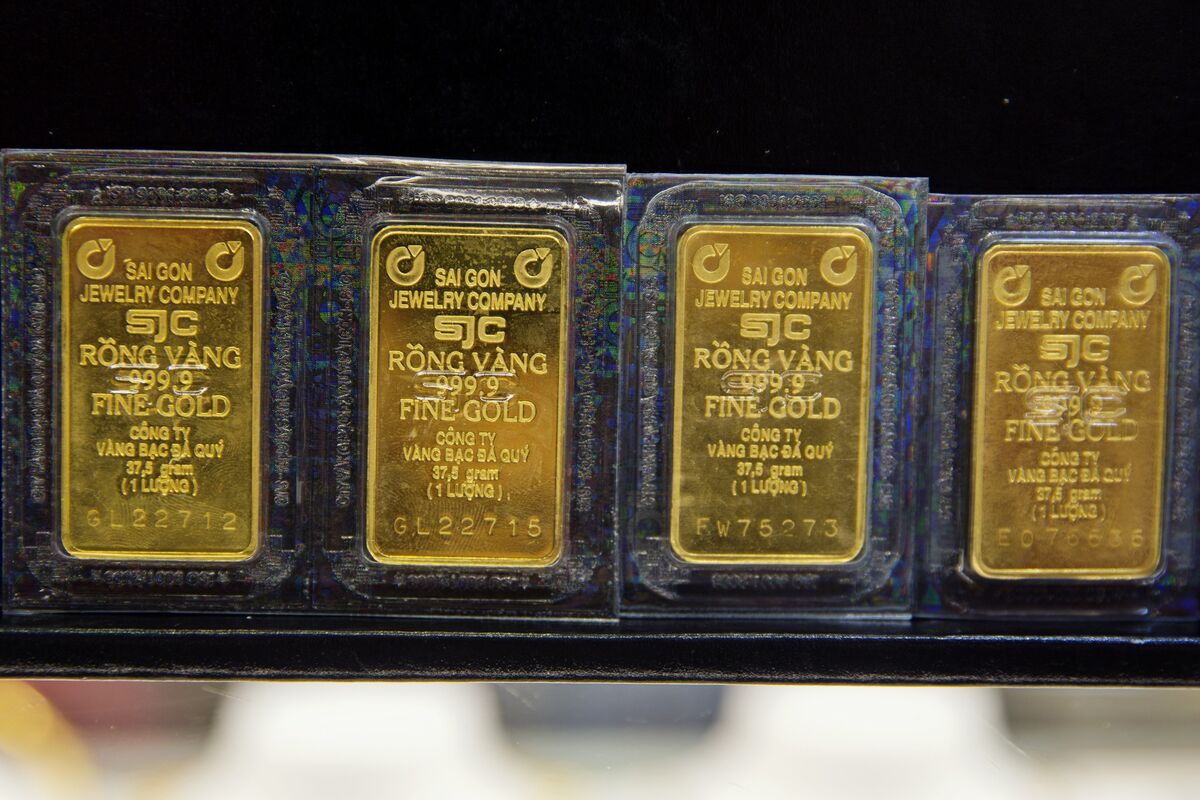
Vietnam has ended its state monopoly on gold imports, exports, and bar production, marking a "pivotal shift" towards a regulated, competitive market. This significant policy change is expected to boost gold supply, narrow the persistent gap between local and global gold prices, and enhance overall market transparency and efficiency.
Vietnam is undertaking a significant liberalization of its domestic gold market by ending the state's monopoly on the import, export, and production of bullion. This policy change, described as a "pivotal shift" by an economist at SSI Securities Corp., is designed to transition the market from a state-controlled framework to a regulated, competitive environment. The primary objectives are to increase domestic supply, enhance market transparency, and improve overall efficiency. A key expected outcome of this reform is the narrowing of the substantial and persistent gap between local Vietnamese gold prices and global benchmarks, which has been a direct consequence of the previous monopolistic structure. This move signals a major step towards integrating Vietnam's gold market with the broader international market, potentially correcting long-standing price distortions and improving liquidity.
AI-powered research, real-time alerts, and portfolio analytics for institutional investors.
Request DemoOverall Sentiment
strongly positive
Sentiment Score
0.75
Ticker Sentiment
