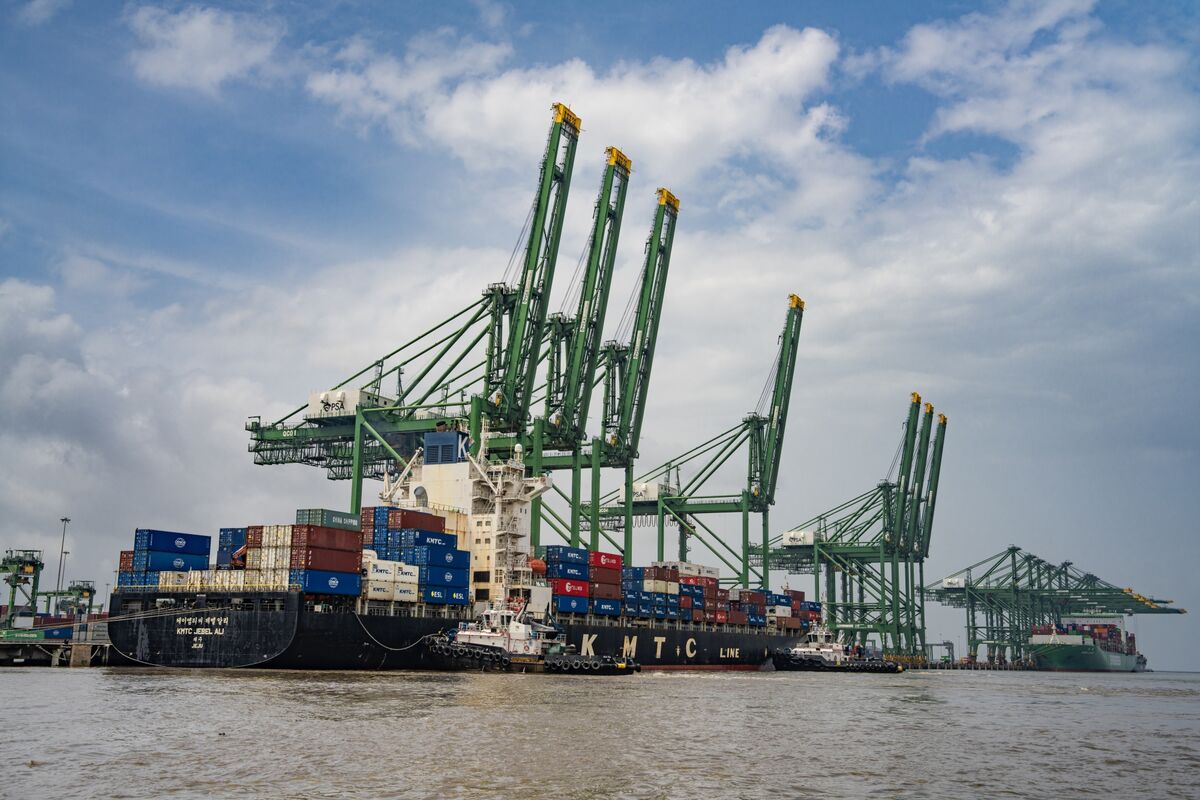
India's economy likely expanded a solid 6.7% in the April-June quarter, driven by pre-tariff optimism for a US trade deal, according to a Bloomberg survey. However, this growth, while healthy, predates the recent imposition of the highest US tariffs in Asia, which have subsequently clouded the country's economic outlook.
India's economy likely demonstrated robust growth in the fiscal first quarter, with Gross Domestic Product estimated to have expanded 6.7% year-over-year. While this represents a moderation from the 7.4% growth in the preceding quarter, it marks an acceleration from the 6.5% rate recorded in the same period a year prior and is strong considering the quarter's typical seasonal softness. However, this performance was largely underpinned by pre-existing optimism surrounding a potential trade deal with the United States. The critical takeaway is that this data is a lagging indicator, as the economic outlook has since materially darkened following the imposition of the highest US tariffs on India in Asia. The backward-looking strength, therefore, is overshadowed by significant forward-looking uncertainty stemming from escalating trade tensions.
AI-powered research, real-time alerts, and portfolio analytics for institutional investors.
Request DemoOverall Sentiment
mixed
Sentiment Score
0.00
