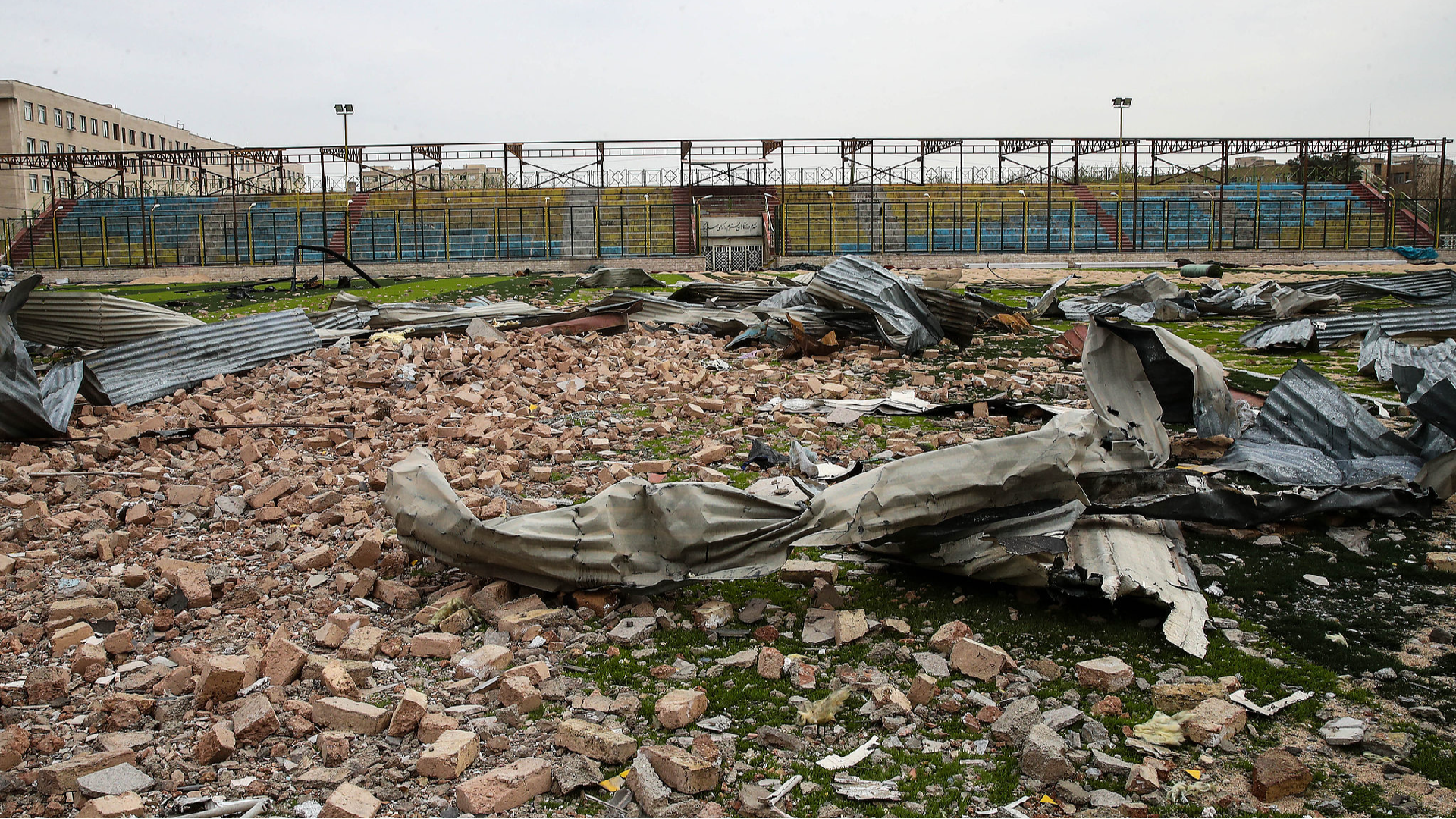
Ali Larijani, Iran's top security official, was killed in an Israeli airstrike near Tehran — the most senior Iranian loss since the conflict began — as Israel also said it eliminated Gholamreza Soleimani. The conflict has already cost at least 13 US service members and injured over 200, and Iran has disrupted tanker traffic, blocking roughly 20% of global oil flows through the Strait of Hormuz. Growing transatlantic fractures (NATO hesitation to escort tankers) and US domestic fallout (National Counterterrorism Center Director Joe Kent resigned in protest) elevate political risk and are likely to drive risk-off positioning, upward pressure on oil and shipping insurance, and volatile markets.
Markets will price a persistent “maritime premium” into energy and freight markets over the coming weeks as risk to chokepoints and longer voyage routings raises marginal delivered fuel costs. Rerouting tankers adds ~8–12 days to voyages, which translates to incremental voyage fuel and capital costs roughly equivalent to $1.5–4/bbl; add war-risk insurance and security surcharges and the near-term physical premium can realistically be another $3–8/bbl. Those mechanics, not headline risk alone, will drive Brent forward curves to invert/steepen and push tanker time-charter rates materially higher in days-to-weeks. Defense primes and the military-industrial supply chain are the most direct multi-quarter beneficiaries: accelerated procurement cycles and replenishment orders can lift revenue growth by 3–7% and expand operating margins 100–200bps over 6–24 months, while semiconductor, avionics and sensor suppliers get a multi-year demand re-rating tied to platform upgrades. Conversely, global shipping operators face mixed outcomes — owners of modern, large VLCCs and product tankers capture outsized dayrates; smaller regional carriers and crude refiners face margin compression from higher feedstock transport costs and logistics delays. Financial flows will rotate risk-off into safe havens and liquid hedges: expect 5–15% downside risk to broad risk indices in the near-term, USD and Treasuries to strengthen, and EM local-currency sovereign spreads to widen meaningfully. The main reversal mechanisms are diplomatic de-escalation, coordinated SPR releases, or a credible multinational naval security plan; each would likely unwind much of the price premia inside 6–12 weeks, so positioning should favor optionality over outright directional exposure. Key tail risks: a broadened blockade or prolonged interdiction could add another $15–30/bbl premium over months and force structural trade-route shifts (months–years) with persistent higher shipping and insurance costs; alternatively, rapid diplomatic channels could compress realized volatility and create fast mean-reversion, so trade sizing must assume asymmetric outcomes.
AI-powered research, real-time alerts, and portfolio analytics for institutional investors.
Request DemoOverall Sentiment
strongly negative
Sentiment Score
-0.85
