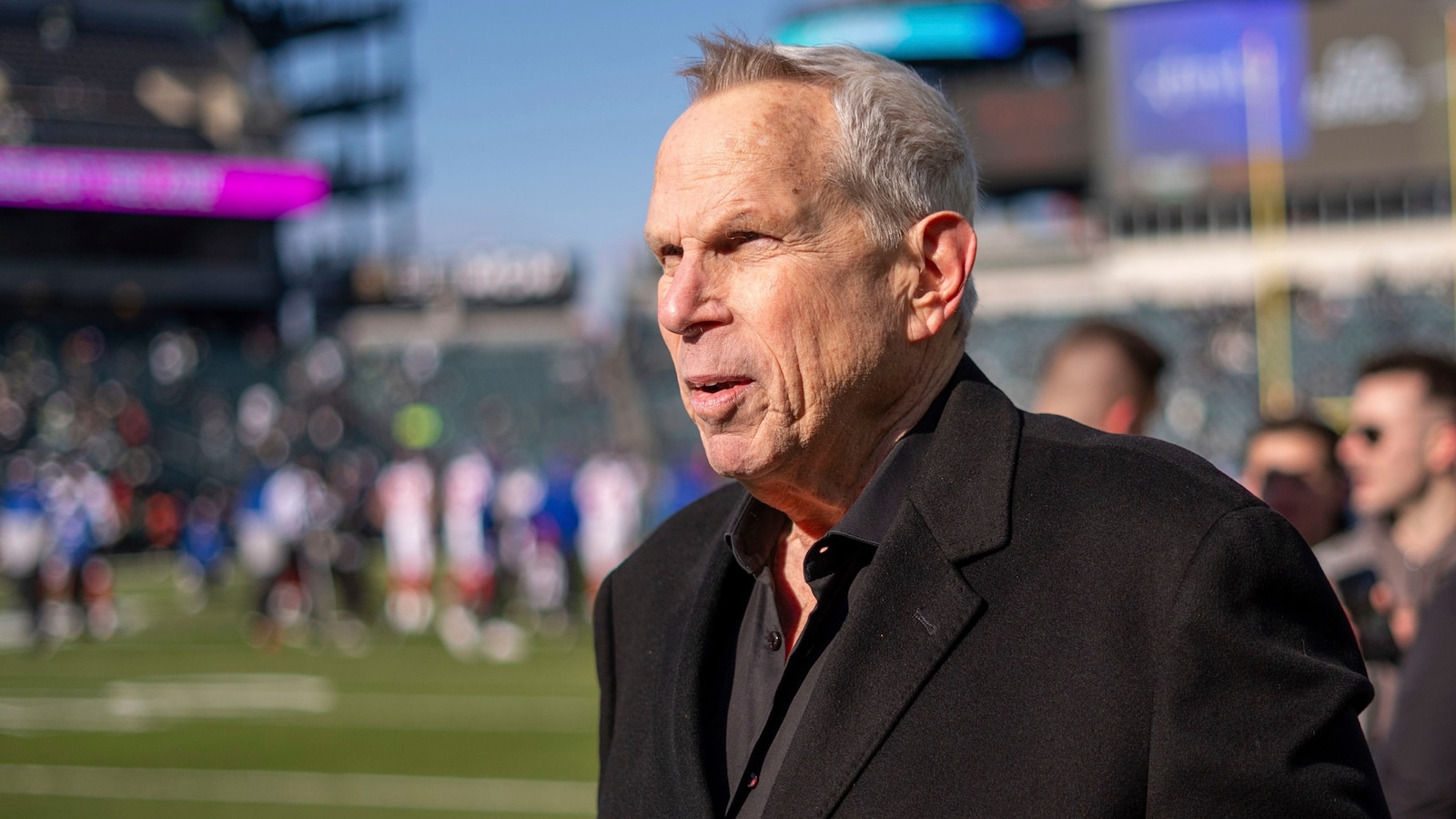
DOJ-released 2013 emails show Jeffrey Epstein frequently acted as a point of contact arranging meetings between New York Giants co-owner Steve Tisch and various women, including providing details on ages, nationalities and coordinating invitations to Epstein’s homes and sporting events. Tisch, who has not been charged, says he exchanged emails about adult women, never accepted Epstein’s invitations and never visited his island; the disclosures create reputational risk for Tisch’s media and sports interests but contain no direct allegations of criminal conduct by him.
Market structure impact is idiosyncratic and concentrated: large diversified media owners (Disney DIS, Comcast CMCSA) and broad communications ETFs (XLC) are likely to be winners because headlines amplify idiosyncratic risk rather than systemic demand shifts; small, celebrity-driven or single-asset entertainment names (e.g., MSGE) and privately held sports franchises face outsized reputational downside. Competitive dynamics shift marginally toward diversified incumbents with deeper balance sheets and less director-concentration; pricing power for content licensors is unchanged absent material ad-revenue shocks. Cross-asset: expect a modest safe-haven bid (UST 10y down ~5–15bps) and USD strength <0.5% in immediate hours if stories widen, but negligible commodity impact.
Tail risks include cascade revelations implicating additional executives or major sponsors, which could trigger sponsor withdrawals and 1–3% revenue hits for exposed consumer brands within 1–3 quarters and legal costs in the $10–100m range for midcaps. Immediate (days) effects: headline-driven volatility and reputational selloffs; short-term (weeks/months): sponsor/contracts renegotiation; long-term (quarters/years): governance changes and board turnover. Hidden dependencies: corporate sponsorship contracts, ticketing and local ad revenues, insurance coverage language — second-order earnings effects can lag 1–4 quarters. Key catalysts: DOJ/doc releases and advertiser withdrawal announcements within 30–90 days.
Trades: favor defensive, diversified media exposure and opportunistic shorts in concentrated, founder-driven entertainment names. Specific option plays: buy 45-day put spreads on MSGE (5%/15% OTM) to hedge a 0.5% portfolio tail; deploy cash to buy DIS/CMCSA on headline-induced dips >3% within 7 trading days. Pair trade idea: long DIS vs short MSGE if dispersion widens >5% over 10 trading days; target capture 6–12% relative move. Rebalance sector exposure toward XLC on dips and cap position size per-name to 2%.
AI-powered research, real-time alerts, and portfolio analytics for institutional investors.
Request DemoOverall Sentiment
moderately negative
Sentiment Score
-0.35
Contrarian angle: the market will likely over-penalize small-cap and single-owner entertainment names while underpricing the resilience of large studios — historical parallels with Weinstein/Harvey show short-term re-rating of boutique producers but recovery for diversified studios within 6–12 months. The consensus misses insurance and indemnity structures that often cap corporate payouts; if MSGE or similar names fall >8% without legal filings, that is a tactical buying opportunity. Beware unintended consequences: activist or regulatory overreach could prolong reputational damage beyond initial headlines, extending the recovery window to 12–24 months.
