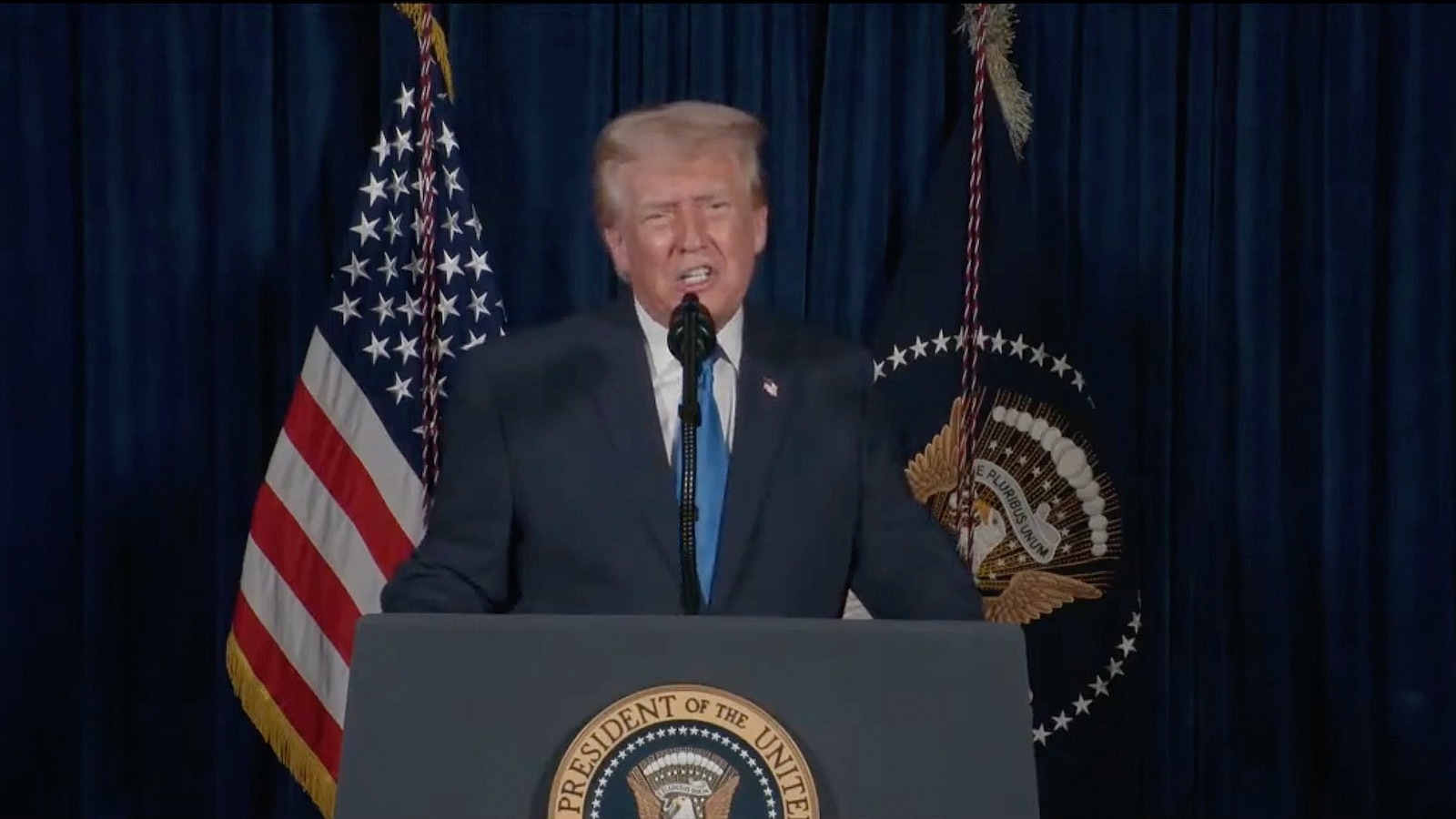
President Trump pledged a stringent immigration crackdown after the Washington, D.C. shooting of two National Guard members by Rahmanullah Lakanwal, an Afghan national who was granted asylum in April 2025; the White House and DHS tied the incident to arrivals from Afghanistan. USCIS paused processing of Afghan immigration requests and its director ordered a comprehensive reexamination of green cards for nationals from countries of concern, while the administration signaled renewed efforts to end TPS for Somalis. The developments raise political and regulatory risk that could affect labor flows, state-level volatility (notably Minnesota) and reputational exposure for firms with immigrant workforces, but are unlikely to be directly market-moving in the near term.
Market structure: Near-term winners are defense primes and homeland-security integrators (Lockheed, Raytheon, Leidos, Booz Allen) due to an expected uptick in border/security procurement; losers include consumer-facing regional retail and immigrant-dependent local services where demand could drop. Pricing power for specialized surveillance, biometric and IT-security vendors will rise if DHS budgets are increased; private-prison operators face bifurcated outcomes (higher utilization vs. political and legal risk). Cross-asset: expect a modest flight-to-quality—USD appreciation and a 5–15bp rally in 2–10y Treasuries on sustained headlines, higher equity implied volatility (+10–30% on VIX spikes), and downside pressure on EM FX.
Risk assessment: Tail risks include abrupt nationwide policy (mass visa revocations) or large-scale litigation that halts procurement (low prob, high impact); a >30‑day USCIS pause materially changes revenue timelines for vendors. Immediate (days): headline-driven volatility and sector rotations; short-term (1–3 months): contract reprogramming and DHS budget proposals; long-term (6–24 months): structural election-driven immigration policy shifts that reprice defense/government IT multiples. Hidden dependencies: actual contract flow depends on Congressional appropriations and GAO/DOJ reviews.
Trade implications: Tilt portfolios to defense and homeland IT: selective 6–12 month longs and call spreads on LMT, RTX, LDOS/BAH; underweight consumer discretionary/retail exposure in immigrant-dense markets (XLY/XRT). Use options to express asymmetric views: buy 3–6 month call spreads on defense names and buy 3‑month puts on XLY if DHS pause >30 days or VIX >20. Rebalance/add after concrete budget or RFP announcements (expected within 30–90 days).
Contrarian angles: The market may overpay for short-term defense exposure—2017–18 shows a fade after headlines once procurement lags; private-prison names often rally on enforcement news but are legally fragile and may mean-revert. Unintended consequences include tighter labor supply reducing consumer spending in local economies; if DHS pause is lifted within 30 days, defensive positions could underperform and should be trimmed quickly (sell into 10–15% rallies).
AI-powered research, real-time alerts, and portfolio analytics for institutional investors.
Request DemoOverall Sentiment
mildly negative
Sentiment Score
-0.25
