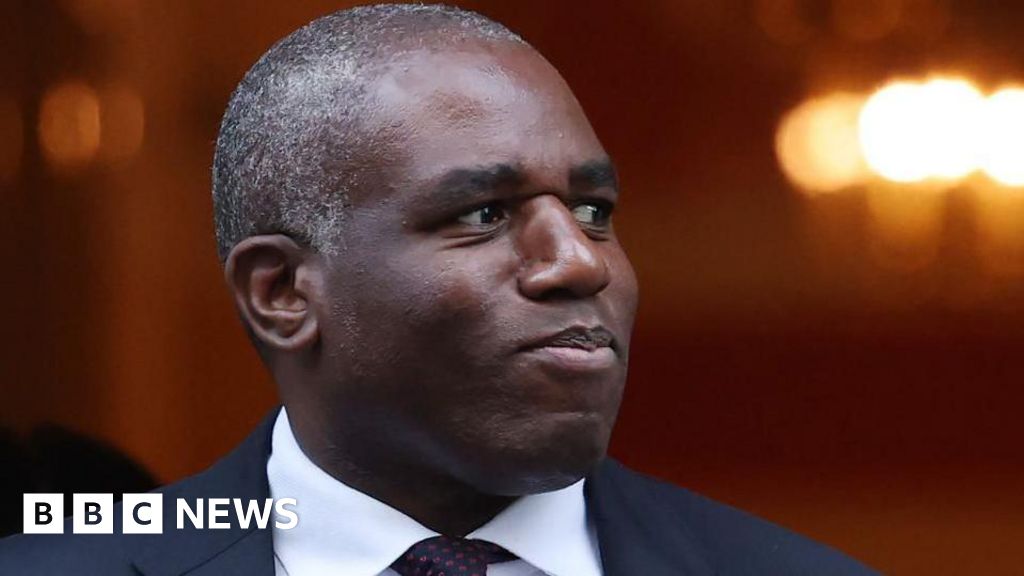
The UK government will remove jury trials for offences likely to attract sentences under three years and create ‘swift courts’ to tackle a Crown Court backlog that Lammy says could reach 100,000 cases by 2028 (from almost 78,000 now), potentially leaving some defendants waiting until 2030 for trial. Magistrates will be empowered to hear cases with maximum sentencing ranges up to 18 months (with a reserve power to two years), while the most serious offences (murder, rape, grievous bodily harm, etc.) remain jury-tried; fraud and complex financial crime will also lose routine jury trials. The plan — based on recommendations from Sir Brian Leveson and scaled back from an earlier proposal to cut jury trials for offences up to five years — has drawn strong criticism from opposition parties and legal bodies concerned about fairness and system trust.
Market Structure: Procuring faster courts and shifting many sub-3-year cases out of Crown Court reallocates spending toward court IT, facilities, custodial transport and outsourced case-management. Winners: UK outsourcing/service contractors with existing MoJ relationships (outsourced custody, facilities, digital evidence) gain incremental revenue; losers: specialist criminal barristers, some Crown Court–centric law practices and small private firms face volume/fee compression. Cross-asset: modest fiscal uplift risk (tens–low hundreds £m/yr) increases gilt supply pressure and GBP vulnerability into budget windows over 6–18 months.
Risk Assessment: Tail risks include successful judicial or parliamentary rollback (high-impact, low-probability) and strike/legal action by the bar increasing short-term caseload and costs; these could reverse procurement flows within 1–6 months. Hidden dependencies: magistrate capacity, training, and IT rollout pace — procurement won’t translate to revenue until 3–12 months post-legislation. Catalysts: Sir Brian’s second report, MoJ spending review and draft legislation votes (next 30–90 days) will accelerate market moves.
Trade Implications: Tactical alpha: small-cap UK contractors with MoJ exposure should benefit within 6–12 months; duration-sensitive gilts may sell off on higher near-term fiscal needs. Use equity exposure to express this via concentrated, size‑controlled longs and short protection in long-dated gilts; consider options to cap downside while capturing upside from contract awards expected inside 6–12 months.
AI-powered research, real-time alerts, and portfolio analytics for institutional investors.
Request DemoOverall Sentiment
neutral
Sentiment Score
-0.15
Contrarian Angle: Consensus focuses on civil‑liberties backlash; markets likely underprice procurement winners and legal‑tech vendors automating magistrates’ workflows. Historical parallel: post-2008 outsourcing waves produced multi-year contract uplifts for incumbents; if legislation survives legal challenges, incumbents could see 10–30% revenue tailwinds over 12–24 months. Unintended consequence: higher appeal rates and compliance costs may sustain demand for appellate/legal-support services, not eliminate it.
