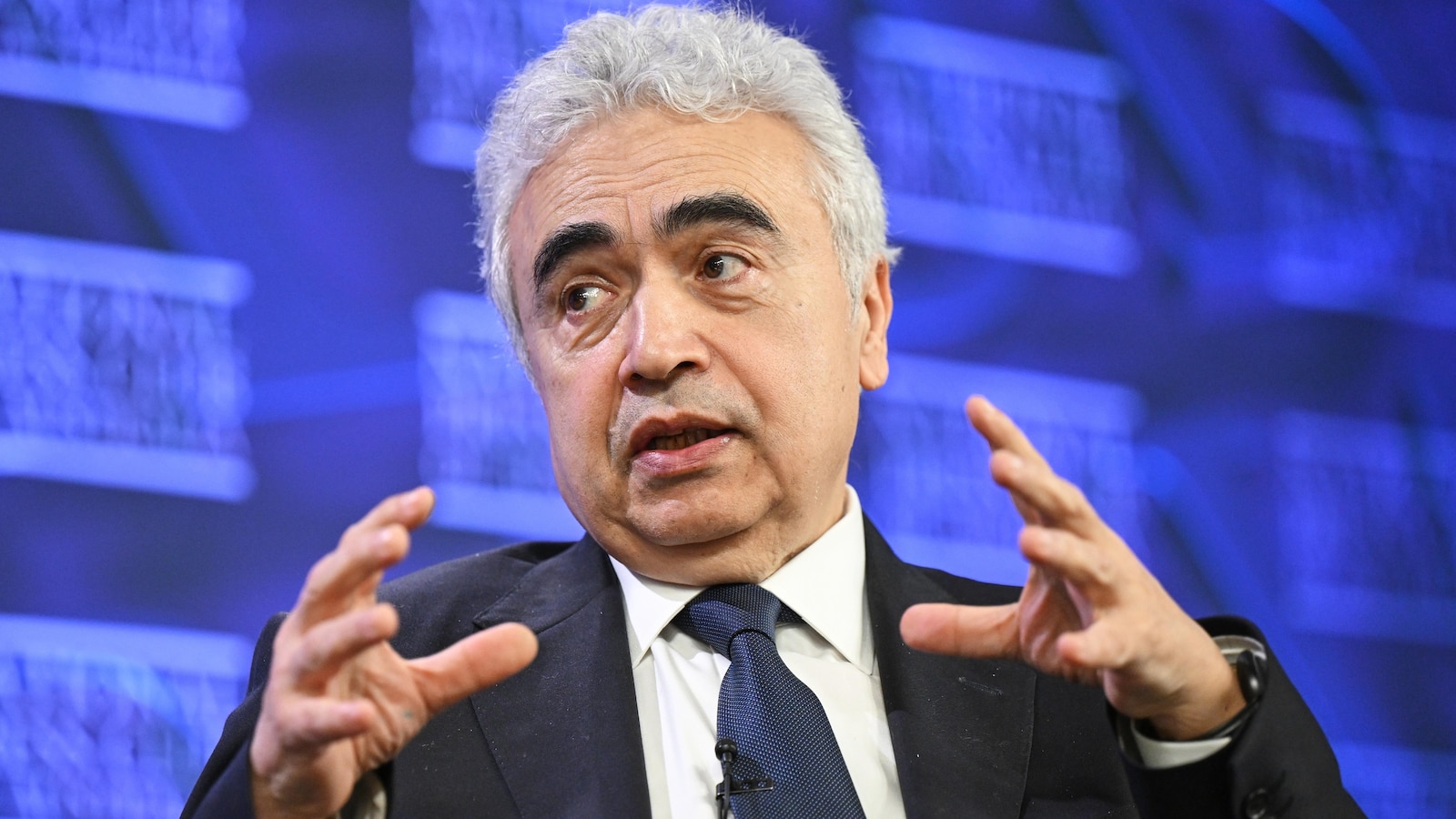
IEA head warns the Iran war poses a 'major, major threat' to the global economy, citing roughly 11 million barrels per day of oil production lost and about 140 billion cubic meters (BCM) of gas disrupted. The IEA released a historic 400 million barrels from reserves and reported 40 energy assets in nine countries 'severely or very severely damaged'; reopening the Strait of Hormuz is cited as the single most important remedy. Prolonged outages would likely keep oil and gas prices elevated, amplify inflationary pressure globally, and trigger broad market volatility.
The immediate energy shock morphs quickly into a supply-chain shock: petrochemicals, fertilizers, helium and sulfur are upstream inputs for global manufacturing and agriculture, so sustained outages will compress output and force substitution, raising input-cost inflation for industrials and food producers for multiple quarters. Expect freight and insurance to reprice: longer voyage distances around Africa and higher war-risk premiums will add 5–15% to delivered hydrocarbon and container costs within 1–3 months, magnifying margin pressure for energy-intensive exporters and importers.
Financially, spare capacity and SPR releases can cap headline spikes inside weeks, but structural reallocation of cargoes and multi-month plant outages create asymmetric risk — price falls can be swift on diplomacy, while recoveries require repairing damaged facilities and re-establishing trade routes, which is a 6–18 month process. This favors assets with immediate cashflow optionality (LNG exporters with offtake flexibility, integrated oil majors with balance-sheet optionality) and penalizes high fixed-cost operators (airlines, container shipping lines, fertilizer plants tied to regional gas).
Policy secondaries matter: sustained commodity-driven inflation increases central bank tightening risk, which will widen equity dispersion; dip-buying in cyclicals is therefore riskier than buying idiosyncratic commodity generators or real assets that re-rate with inflation expectations.
AI-powered research, real-time alerts, and portfolio analytics for institutional investors.
Overall Sentiment
strongly negative
Sentiment Score
-0.70
