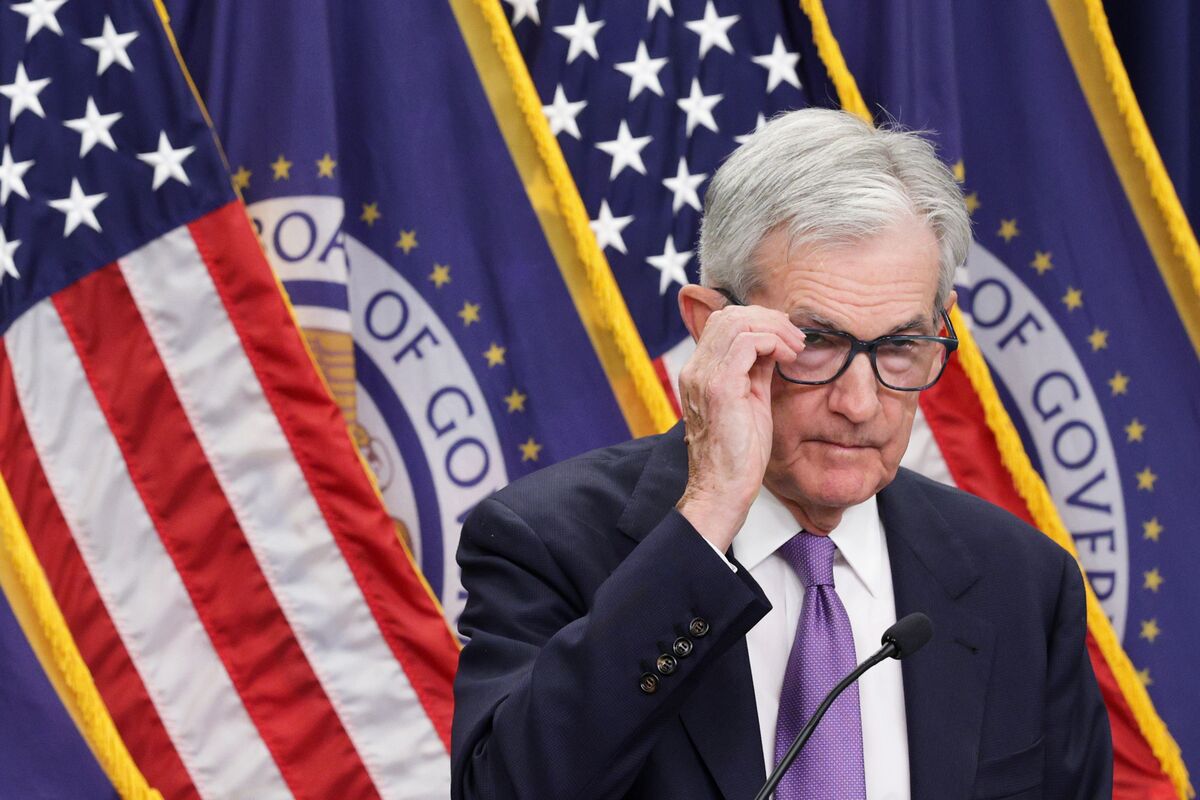
The article posits that current dissent within the Federal Reserve is modest compared to anticipated future disagreements, contextualizing this within the ideal operational model of central banks, which prioritize consensus-building among experts to achieve unified strategies, even if unanimity isn't strictly mandated.
The article signals an expectation of escalating dissent within the Federal Reserve, projecting future disagreements to be more significant than current levels. This outlook challenges the traditional operational model of central banks, which prioritizes consensus-building among experts for strategic unity.
While unanimity is not strictly mandated, it is clearly preferred for institutions like the Fed to rally around a common strategy. A rise in internal discord could therefore impede the central bank's ability to present a unified front on critical monetary policy decisions.
The associated "mildly negative" sentiment and "uncertain" tone, coupled with a moderate market impact score, underscore the potential for increased policy unpredictability. This internal governance dynamic is a key factor for investors monitoring future monetary policy direction.
AI-powered research, real-time alerts, and portfolio analytics for institutional investors.
Request DemoOverall Sentiment
mildly negative
Sentiment Score
-0.30
