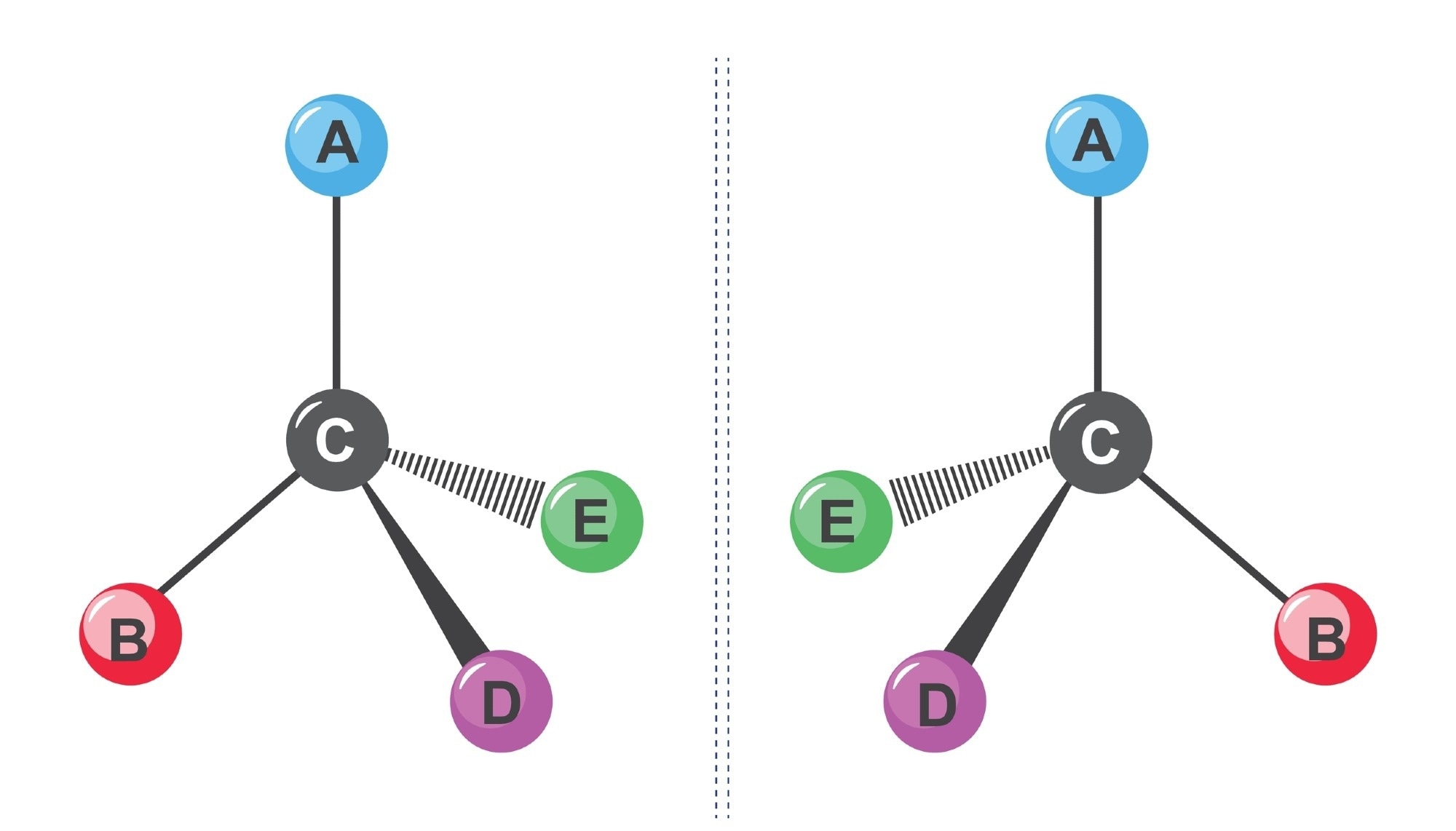
Researchers at the University of St Andrews, with collaborators at the University of Bath, report in Nature Chemistry a catalytic enantioselective [1,2]-Wittig rearrangement cascade of allylic ethers that resolves an 80-year-old unpredictability in the Wittig rearrangement. The work demonstrates a catalyst-driven asymmetric rearrangement followed by a previously unrecognized molecular reshuffle that preserves chirality, a development that could materially improve selectivity in fine-chemical and pharmaceutical synthesis and influence long-term drug manufacturing processes.
Market structure: The St Andrews breakthrough chiefly benefits contract development & manufacturing organizations (CDMOs), specialty catalyst makers and analytical/instrument vendors because it can cut synthetic steps for enantioselective APIs, raising their take-rates and pricing power. Legacy chiral-resolution specialists and commodity API makers that rely on inefficient separation may lose margin as route efficiencies improve; I estimate adoption could reduce per-kg API synthesis steps by ~10–40% and variable manufacturing costs by ~5–20% for amenable molecules over multi-year rollouts. Cross-asset effects are modest but directional: positive equity drift for winners, modest credit-quality improvement for large pharma issuers (tighter spreads ≈5–15bps if cost curves shift), and higher demand for PGMs if new catalysts use palladium/rhodium.
Risk assessment: Key tail risks are scale-up failure, reproducibility/academic-to-industry translation (low-probability but value-destroying), IP concentration around the new catalytic routes, and regulatory pushback if trace catalyst residues complicate GMP. Timeline: negligible market price impact in days, initial partnerships/patents visible in 3–12 months, material manufacturing diffusion 2–5 years. Hidden dependencies include access to catalyst metals, licensing terms (royalty capture), and compatibility with existing downstream purification technology — any of which could blunt upside.
Trade implications: Direct plays: overweight CDMOs and instrument vendors that monetize route improvements; favour liquid names with process-chemistry capabilities (e.g., CTLT, TMO, CRL) sized 1–2% each as idea exposure. Use 9–12 month call spreads (buy ATM, sell ~20% OTM) to express directional exposure while capping premium; consider a small short in generics-heavy names (e.g., TEVA) as route efficiency commoditizes legacy producers. Entry: deploy tranche 30–90 days; exit or add on confirmed partner deals or first commercial route transfers (monitor quarterly guidance).
Contrarian angles: The market will underprice commercialization friction — historical parallels (e.g., asymmetric metathesis) show 4–7 years to become standard at scale, so avoid leverage and expect lumpy adoption. Consensus may overstate rapid margin gains; a contrarian hedge is to keep positions small (1–2% each) and increase only after 2+ industry licensing deals or GMP-validated scale-ups in 12–18 months. Unintended consequences include consolidation around IP owners and upward pressure on catalyst metal prices if uptake requires PGMs.
AI-powered research, real-time alerts, and portfolio analytics for institutional investors.
Request DemoOverall Sentiment
mildly positive
Sentiment Score
0.30
Ticker Sentiment
