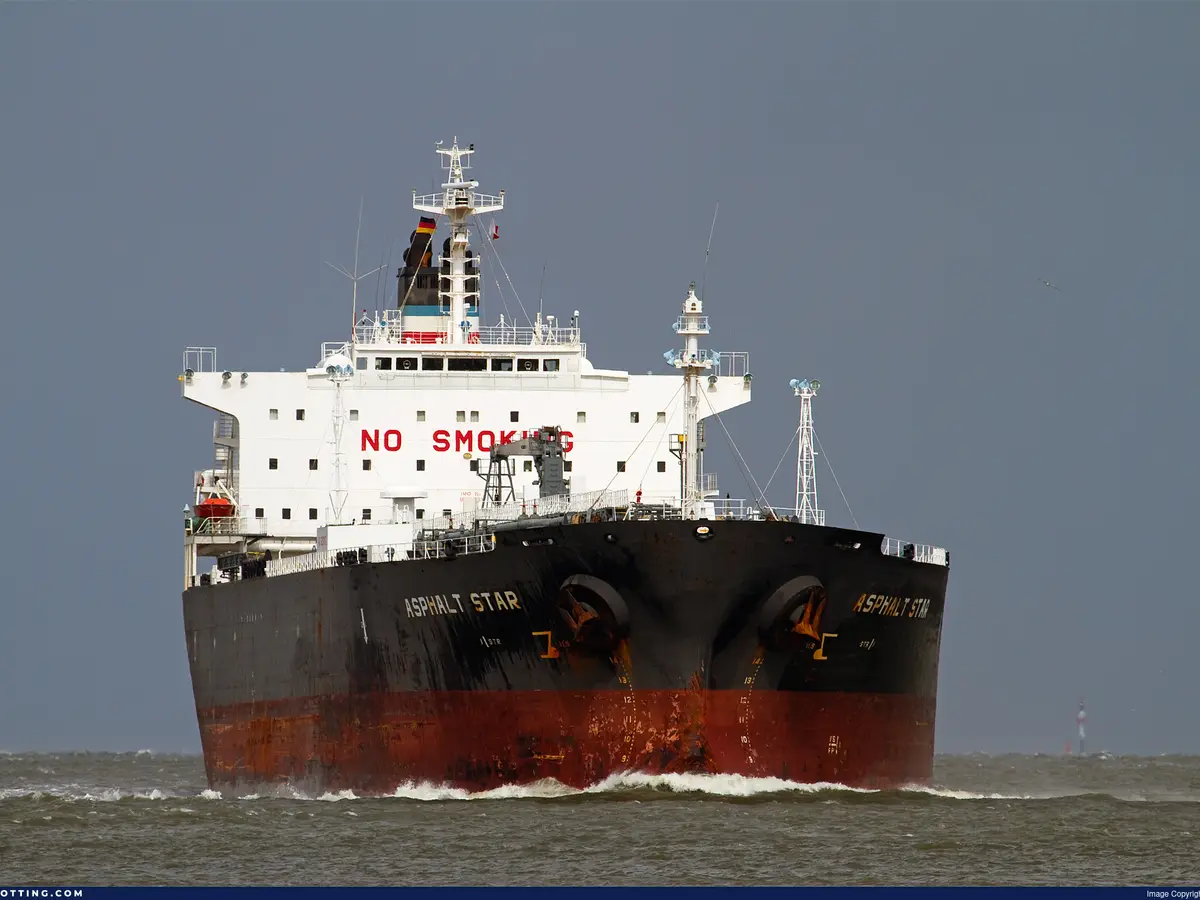
On Feb. 6 India intercepted three heavily disguised tankers about 100 nautical miles west of Mumbai—operating as part of a ‘‘shadow fleet’’—seized under the names Stellar Ruby, Asphalt Star and Al Jafzia, whose IMO numbers match three vessels sanctioned last year by the U.S. Treasury (Global Peace, Chil 1, Glory Star 1). LSEG tracking and shipping records show direct operational ties to Iran (Stellar Ruby flying the Iranian flag; Al Jafzia moved Iranian fuel oil to Djibouti in 2025); India has mobilized roughly 55 surface ships and 10–12 reconnaissance aircraft to police the Arabian Sea to prevent illicit ship‑to‑ship transfers. The action accompanies a US–India trade recalibration—Washington cutting import tariffs from 50% to 18% and India agreeing to halt Russian oil imports—and raises near‑term risks for energy flows, shipping/insurance costs and regional geopolitical volatility.
Market structure: India’s interdiction and simultaneous diplomatic pivot (tariff cut/stop Russian oil) tightens seaborne supply of discounted crude and raises risk premia on heavy sour grades and fuel oil; expect regional heavy-sour differentials (Med/Aframax/HFO) to widen by $3–8/bbl over 1–3 months if seizures continue. Compliant large-cap crude exporters (Saudi/ADNOC) and insured, standard-vetting tanker owners gain pricing power; shadow-fleet operators, illicit traders and refiners dependent on deeply discounted barrels (mid/smaller refiners) are net losers.
Risk assessment: Immediate (days) effect = local shipping volatility and insurance repricing; short-term (30–90 days) = higher freight and STS deterrence as India deploys ~55 vessels+10–12 aircraft, raising voyage costs 5–15% for high-risk lanes; long-term (3–12 months) risk = sanction circumvention shifting to farther rendezvous or alternative buyers (China/Egypt) that mute impacts. Tail risks include major Russia–India/China re-routing deal or retaliatory cyber/energy measures that spike Brent >$10 in days or cause regional naval incidents disrupting Suez/Arabian Sea traffic.
Trade implications: Tactical: go long oil exposure and compliant tanker equities while hedging macro: establish 1–2% long XLE and 1% long FRO (Frontline, FRO) as 3–6 month plays; buy 90-day XLE call spread (5%/15% OTM) to capture a $5–10 oil move with defined risk. Pair trades: long XLE (2%) / short JETS (1–1.5%) to express oil upside vs airline margin squeeze. Trim 1–3% positions in mid/small refiners (VLO, MPC) that rely on discounted seaborne crude.
Contrarian angle: Markets may underprice durability of enforcement — India’s assets committed suggest multi-month deterrent — but could be overdone if sanction buyers simply shift rendezvous beyond Indian EEZ or increase ship age swaps. Historical parallel: 2012–13 Iran tanker obfuscation saw temporary premium spikes then normalization as traders adapted; therefore keep positions size-limited and use option-defined risk. Watch for a 30–60 day pattern: if <3 additional seizures occur, scale back longs by 50%.
AI-powered research, real-time alerts, and portfolio analytics for institutional investors.
Request DemoOverall Sentiment
moderately negative
Sentiment Score
-0.30
