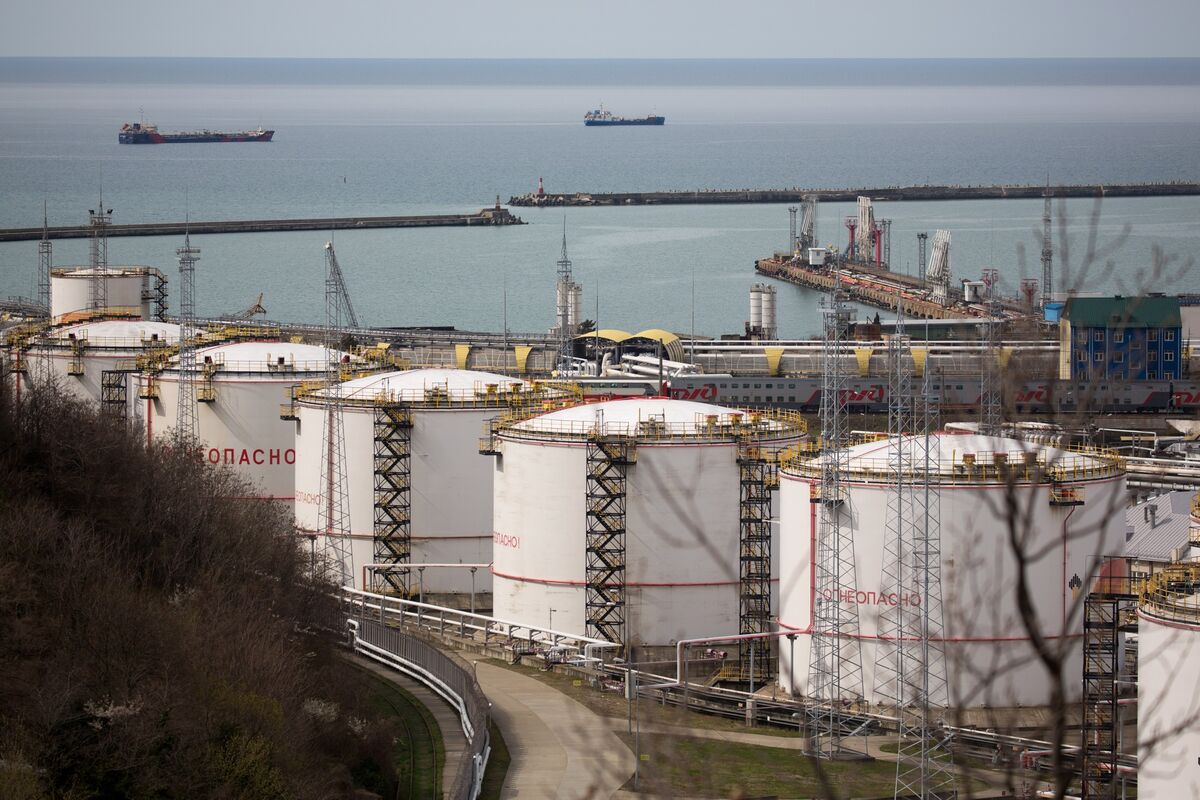
Russian petroleum product exports, particularly diesel and naphtha, have significantly declined in early September to 1.96 million barrels a day, a 10% drop from August and potentially the lowest in a year. This slump is attributed to drone attacks curtailing Russian refining output, signaling tighter supply in the global refined products market.
Russian exports of refined petroleum products have experienced a significant contraction in early September, primarily driven by drone attacks curtailing domestic refining capacity. Data for the first week of the month shows total exports falling to 1.96 million barrels per day, a 10% decline from the August average and a pace that would mark the lowest monthly volume in approximately one year. The reduction is most pronounced in diesel and naphtha shipments, signaling a tangible supply-side shock to the global energy market. This disruption introduces a geopolitical risk premium and suggests a tightening of the global balance for these specific refined products, which could exert upward pressure on their respective prices and refining margins.
AI-powered research, real-time alerts, and portfolio analytics for institutional investors.
Request DemoOverall Sentiment
moderately negative
Sentiment Score
-0.60
