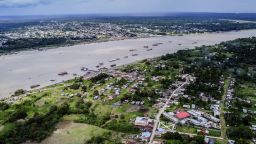
A recent study reveals Amazonian lakes experienced unprecedented heat and drought in 2023, with temperatures in Lake Tefé reaching 41°C, leading to mass die-offs of over 200 endangered dolphins and 3,000 fish. This extreme event, driven by climate change, low water levels, and other factors, severely impacted aquatic ecosystems and isolated river communities. The research highlights a long-term warming trend in Amazon lakes, with average surface water temperatures increasing by 0.6°C per decade over the past 30 years, signaling escalating climate risks in the region.
Amazonian lakes experienced unprecedented heat and drought in 2023, with Lake Tefé's daytime temperatures spiking to 41°C (105.8°F) in October, exceeding recommended hot tub limits. This extreme heat penetrated depths over six feet, eliminating thermal refugia for aquatic life, while Lake Tefé's surface area dramatically shrunk by 75% and Lake Badajós by 92%.
These conditions led to a mass die-off, with over 200 freshwater dolphins found at Lake Tefé and 3,000 fish perishing in one aquaculture pond. The severe ecological disruption isolated thousands in river communities, impacting access to essential resources. Multiple factors contributed, including extreme drought, low lake levels, increased solar absorption by murky water, and reduced evaporative cooling.
The event underscores a significant long-term warming trend in Amazon lakes, with average surface water temperatures increasing by 0.6°C per decade over the last 30 years. This pattern, likely associated with global climate change, suggests escalating environmental risks and highlights the vulnerability of tropical ecosystems. The recurrence of extreme drought in 2024 further emphasizes the ongoing nature of this challenge.
AI-powered research, real-time alerts, and portfolio analytics for institutional investors.
Request DemoOverall Sentiment
strongly negative
Sentiment Score
-0.80
