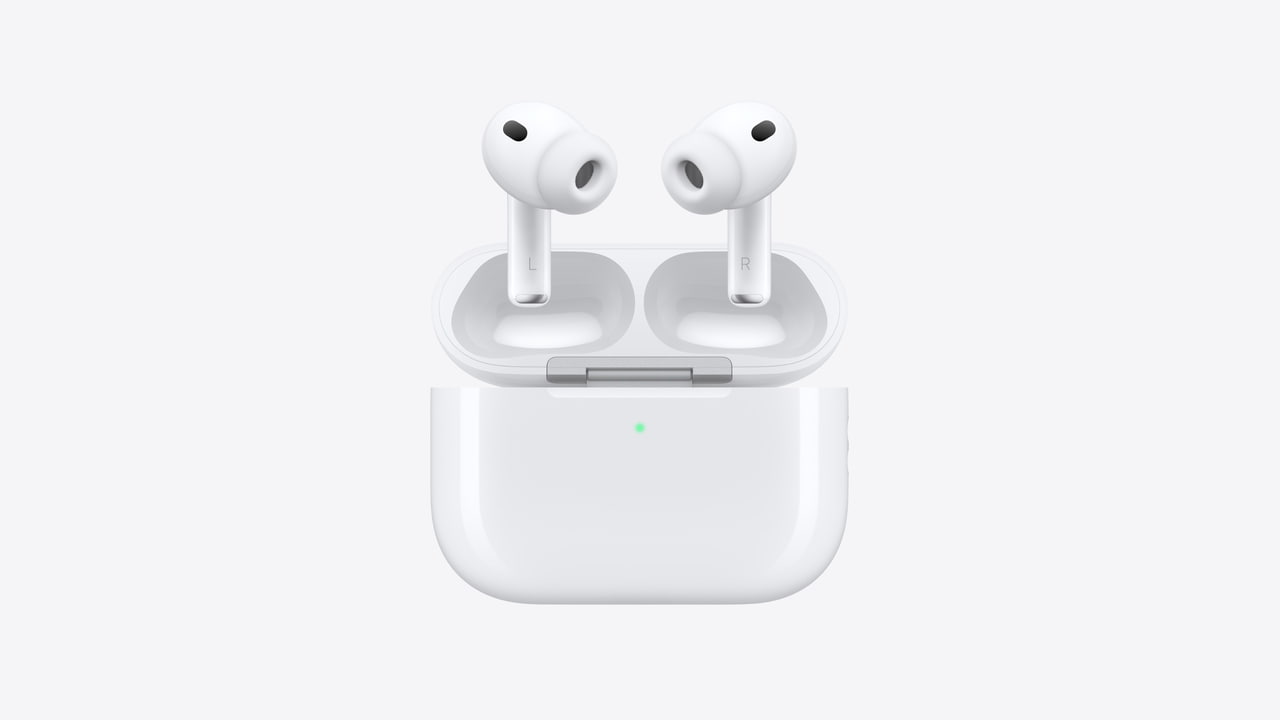
Apple pushed AirPods Pro 3 firmware 8B34 (up from 8B30) with only generic release notes citing “bug fixes and other improvements”; the prior update enabled iOS 26.2 features such as AirPods Live Translation in the EU. The update installs automatically when devices are in their charging case and connected to an Apple device; the AirPods Pro 3, launched in September with the H2 chip and a built-in heart-rate sensor, are currently discounted to $239.95 from $249, a modest retail price change unlikely to materially affect Apple’s financials.
Market structure: The AirPods Pro 3 firmware push is a micro-signal, not a demand shock — immediate winners are Apple (AAPL) and its services/health ecosystem due to lower friction for feature rollout; losers are standalone audio specialists (e.g., SONO) and low-margin accessory OEMs facing tighter pricing. Price move (retail $239.95 vs $249 list, ~4% discount) suggests mild promotional pressure on replacement cycles but no systemic inventory glut; automatic OTA updates increase lifetime ARPU by enabling feature monetization over 12–36 months.
Risk assessment: Tail risks include EU medical-device reclassification of heart-rate features (12–24 months) or a firmware-triggered reliability recall (days–weeks) that could compress margins and increase liability. Hidden dependencies include iOS adoption rates and regulatory data/privacy regimes; catalysts that could flip sentiment are iOS 26.x rollouts, WWDC/September product cycle, or EU regulatory rulings within the next 6–18 months.
Trade implications: For equities, small overweight AAPL exposure is warranted given ecosystem optionality; near-term implied-volatility compression favors selling short-dated premium while buying asymmetric multi-month upside via call spreads. Cross-asset effects are muted — no meaningful directional impact on bonds, FX or commodities, though AAPL equity IV moves may temporarily pressure tech ETF flows (XLK).
Contrarian angle: The market understates cumulative value of incremental OTA-enabled health features — this could drive a 1–3% uplift in services ARPU over 12–24 months and justify a modest re-rating versus pure hardware peers. Reaction is underdone: treat firmware as signal of higher lifetime monetization rather than noise, but hedge regulatory/recall tail risk tightly.
AI-powered research, real-time alerts, and portfolio analytics for institutional investors.
Request DemoOverall Sentiment
neutral
Sentiment Score
0.05
Ticker Sentiment
