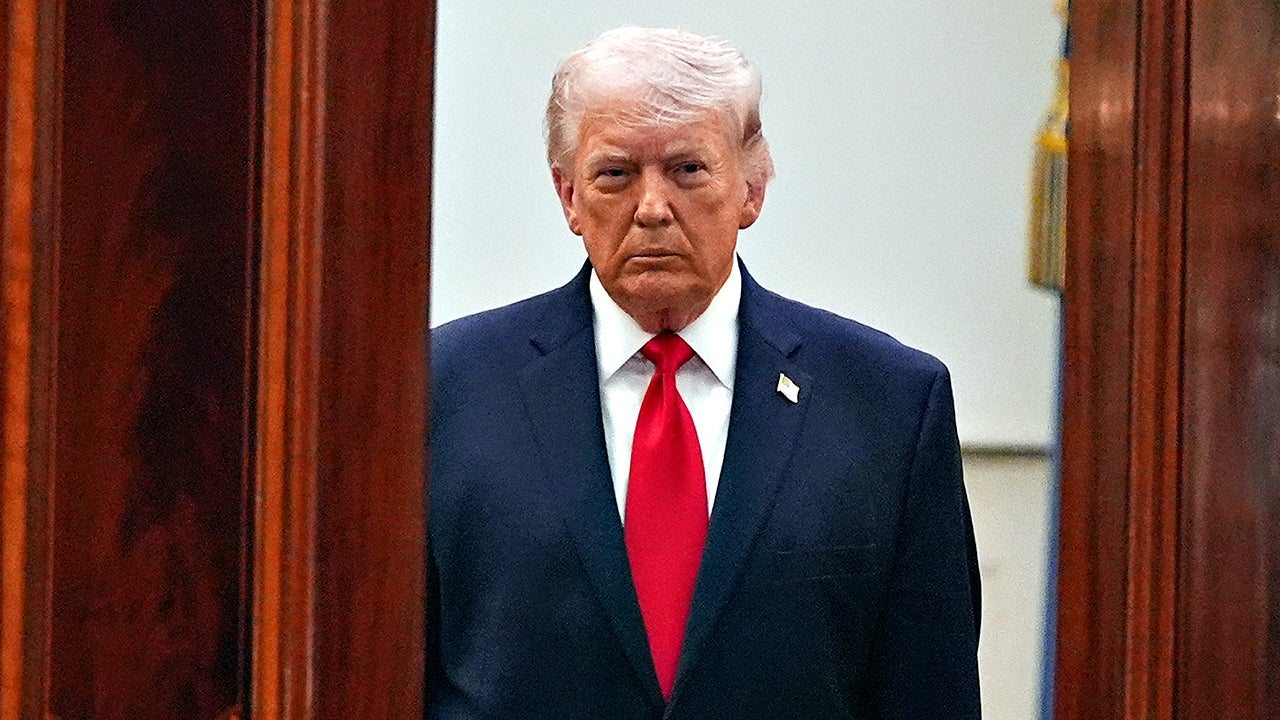
The U.S. announced it will strike Iran “extremely hard” over the next 2–3 weeks following a 32-day Operation Epic Fury that the administration says has "eviscerated" Iran; nuclear sites allegedly struck by B-2 bombers remain under satellite surveillance. France’s Macron called a forcible reopening of the Strait of Hormuz "unrealistic," stressing negotiation and a ceasefire, while the U.S. acknowledges short-term rises in U.S. gasoline prices tied to Iranian attacks on tankers. Portfolio implications: elevated oil and shipping-risk volatility, potential safe-haven flows and regional supply-chain disruption risks over the coming weeks.
Markets should treat current geopolitical friction as a shock to risk premia rather than a permanent supply shock; history (2019 tanker incidents, 2020 regional flare-ups) shows Brent moves of $8–12/bbl over 2–4 weeks can unwind quickly once insurance routes, OPEC responses, or spare-capacity adjustments kick in. The most durable impact is on logistics and insurance cost structures — shipping time-cost increases and war-risk surcharges compressing global refining margins for at least one quarter as routes are rerouted and charter rates spike. Separately, defense procurement and rapid replenishment cycles create a 6–18 month revenue re-acceleration window for large prime contractors, but realization depends on congressional appropriations and export control timelines, so investable upside is lumpy and policy-dependent.
Tail risks skew left: escalation beyond the narrow theater (proxy attacks on chokepoints, strikes on third-party infrastructure, or cyberattacks on energy trading platforms) could push commodity vol and credit premia materially higher in days. Off-ramps that would compress premia include a coordinated diplomatic deal, an OPEC+ surprise output response, or a large SPR release — any of which could reduce Brent/WTI spreads within 30–90 days. Currency and EM sovereign debt are vulnerable on a 1–6 month horizon; currencies of oil importers typically underperform while oil-linked sovereigns and tanker equities re-rate positively.
Consensus is pricing a straight-line premium into energy and defense stocks; that creates asymmetric trade opportunities. The market often overshoots on narrow short-term rallies in majors and underprices operational stress for airlines, shipping insurers, and logistics-sensitive industrials. Position sizing should reflect a high-probability short-lived premium (weeks) layered over a lower-probability multi-month escalation pathway — construct trades that capture immediate repricing but cap downside from diplomatic resolution.
AI-powered research, real-time alerts, and portfolio analytics for institutional investors.
Request DemoOverall Sentiment
strongly negative
Sentiment Score
-0.70
