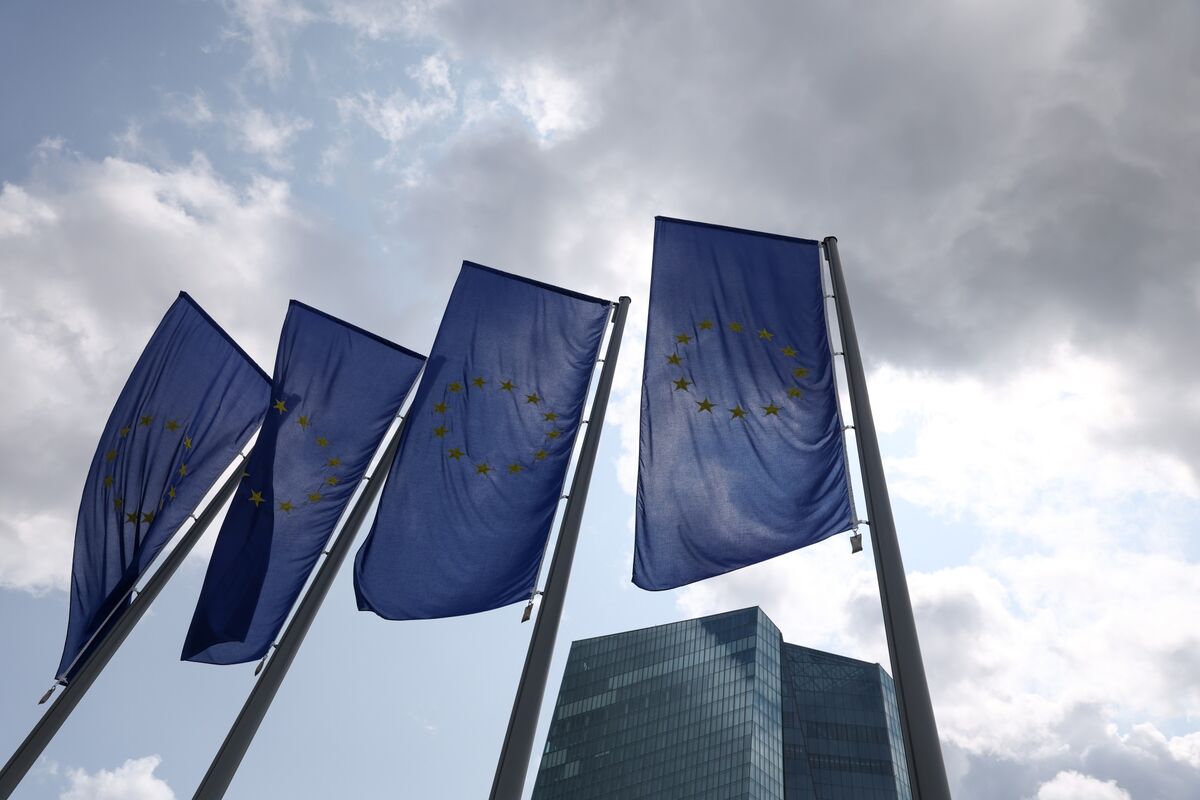
ECB officials are reportedly leaning towards a pause in interest rate cuts at their July meeting, following eight consecutive reductions. This potential timeout is attributed to uncertainties surrounding potential tariffs from US President Donald Trump, making a hold on further easing the most probable course of action.
European Central Bank (ECB) officials are reportedly considering a pause in their interest rate-cutting campaign at their upcoming July policy meeting, a potential shift that would follow eight consecutive reductions in borrowing costs. This contemplation of a timeout is primarily attributed to significant uncertainty surrounding potential US trade tariffs that could be imposed under President Donald Trump. While the immediate focus is on this July pause, the information also indicates some officials envisage 2% as a potential floor or endpoint for interest rates, suggesting longer-term policy normalization considerations are present, though currently overshadowed by geopolitical risks. Such a pause would signify a deviation from the ECB's recent consistently dovish stance, reflecting a more cautious, wait-and-see approach in response to external economic uncertainties. The associated mildly negative sentiment and cautious tone underscore the market's apprehension about both the tariff uncertainties and a potential halt to monetary easing, with a moderate market impact score of 0.6 indicating this news holds notable significance for financial markets.
AI-powered research, real-time alerts, and portfolio analytics for institutional investors.
Request DemoOverall Sentiment
mildly negative
Sentiment Score
-0.25
