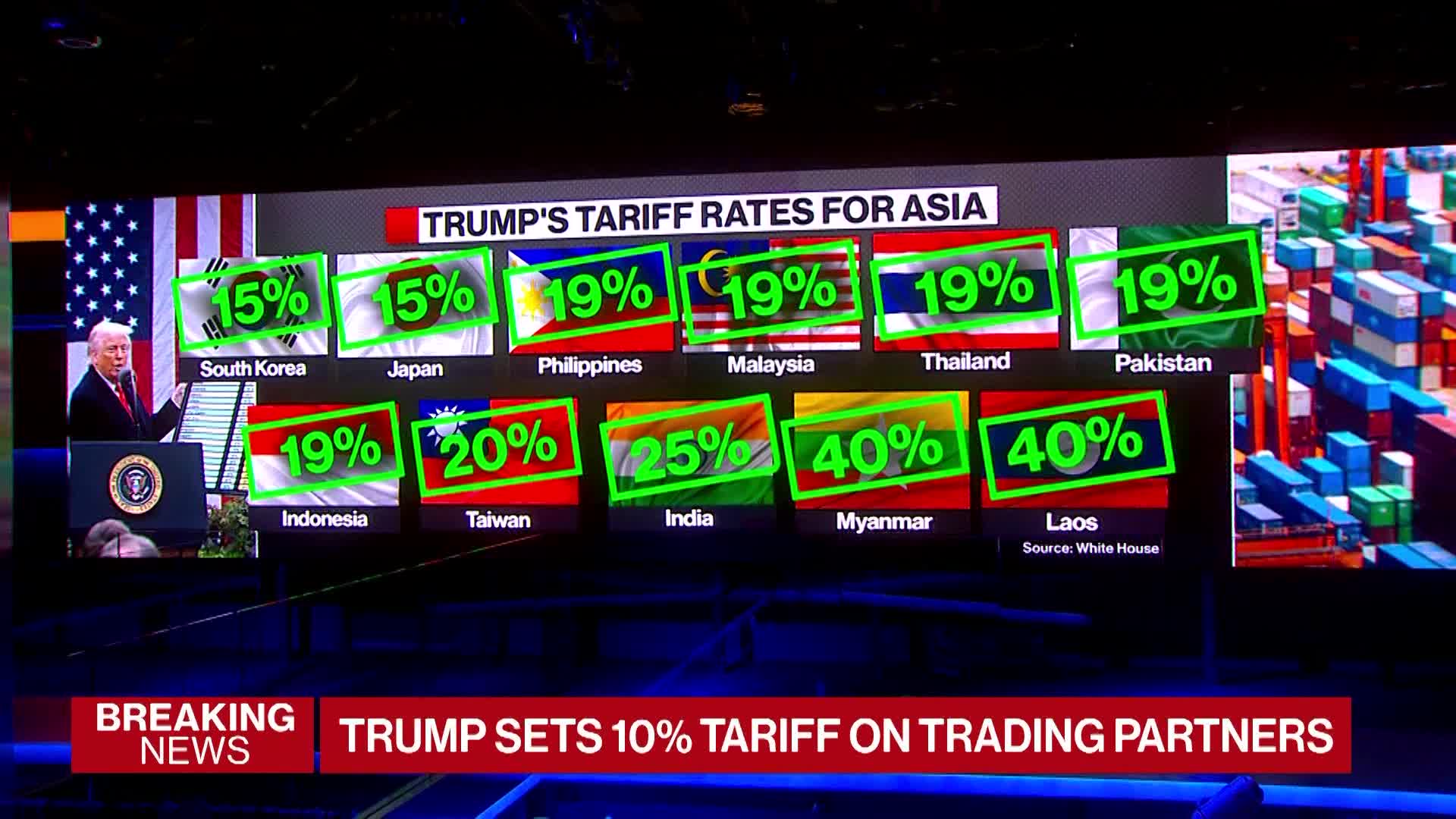
The article analyzes the differential economic impact of Trump-era tariffs, identifying key industries and companies that have emerged as significant beneficiaries or underperformers following a specific tariff deadline.
An analysis of the economic impact following the Trump-era tariff deadline reveals a highly bifurcated market, creating distinct cohorts of winners and losers rather than a uniform effect. The situation is characterized by uncertainty, as the tariffs on one hand may benefit domestic industries by shielding them from foreign competition, while on the other hand, they impose significant cost pressures on companies reliant on international supply chains and imported materials. This differential impact is a critical factor driving performance disparities across sectors. The theme of trade policy and its direct influence on supply chain logistics is central, suggesting that corporate profitability is now heavily linked to a company's ability to navigate these new protectionist measures. Given the moderate-to-high market impact, these trade dynamics are a significant macroeconomic factor influencing sector-level and company-specific outlooks.
AI-powered research, real-time alerts, and portfolio analytics for institutional investors.
Request DemoOverall Sentiment
mixed
Sentiment Score
0.00
