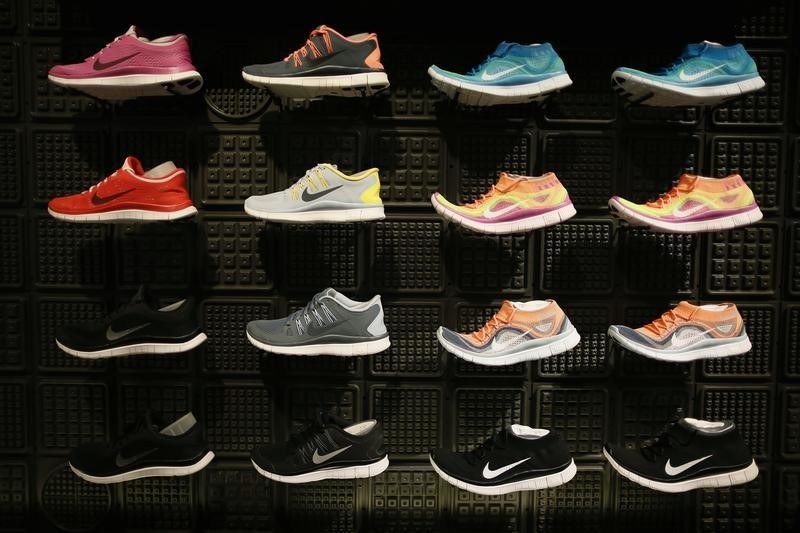
RBC Capital cut its Nike price target to $70 from $78 and reduced fiscal 2027 EPS estimates by 15%; NKE trades at $44.63, down 44% from its 52-week high. Multiple firms followed with lower targets (Guggenheim $74, Piper Sandler $60, Evercore ISI $57, Williams Trading $57, BNP Paribas Exane $23), signaling a broad analyst reassessment tied to weakness in Greater China, Converse, and the Sportswear segment. RBC expects an earnings improvement beginning in Q2 fiscal 2027 but extended Win Now actions through 2026 indicate a lengthier turnaround, pressuring near-term sentiment and likely weighing on the stock.
Nike’s current re-rating is more a liquidity and positioning event than a permanent brand impairment; the practical near-term mechanism is higher promotional intensity and wholesale discounting that can knock 200–400bps off gross margin over the next 2–4 quarters unless inventory digestion outpaces sell-through. That dynamic will compress FCF conversion and force conservative guidance, creating a self-reinforcing feedback loop as quant/CTA frameworks reduce exposure and retail holders mark-to-market losses.
Second-order winners are regional and channel-specific: Chinese domestic athletic brands and discount-focused wholesalers will pick up share during a prolonged recovery in China and will face less promotional cadence pressure in wholesale channels, improving their gross margin mix relative to Nike. On the institutional side, increased option skew and bid-ask friction will raise the effective hedging cost for long holders, which magnifies downside in a liquidity-stressed window (3–6 months) even if fundamentals normalize later.
Key catalysts to watch are sequential inventory-to-sales and wholesale sell-through metrics — two quarters of improvement would likely invert the narrative and quickly compress short interest; conversely, another quarter of negative gross-margin revision or a macro shock to consumer discretionary spending would extend the drawdown into 9–12 months. Tail risks include a faster-than-expected Chinese tourism resumption (positive catalyst) or sharp FX/import-cost moves and a durable shopper shift to lower-price or domestic brands (negative), both capable of changing valuation by 20–40% within a year.
A contrarian but disciplined play is to treat near-term weakness as an opportunity only after operational signals improve: the brand moat limits permanent downside, so asymmetric long exposure via time-limited, cheap downside protection or event-triggered option buys is preferable to outright, undisciplined bottom-fishing today.
AI-powered research, real-time alerts, and portfolio analytics for institutional investors.
Request DemoOverall Sentiment
strongly negative
Sentiment Score
-0.55
Ticker Sentiment
