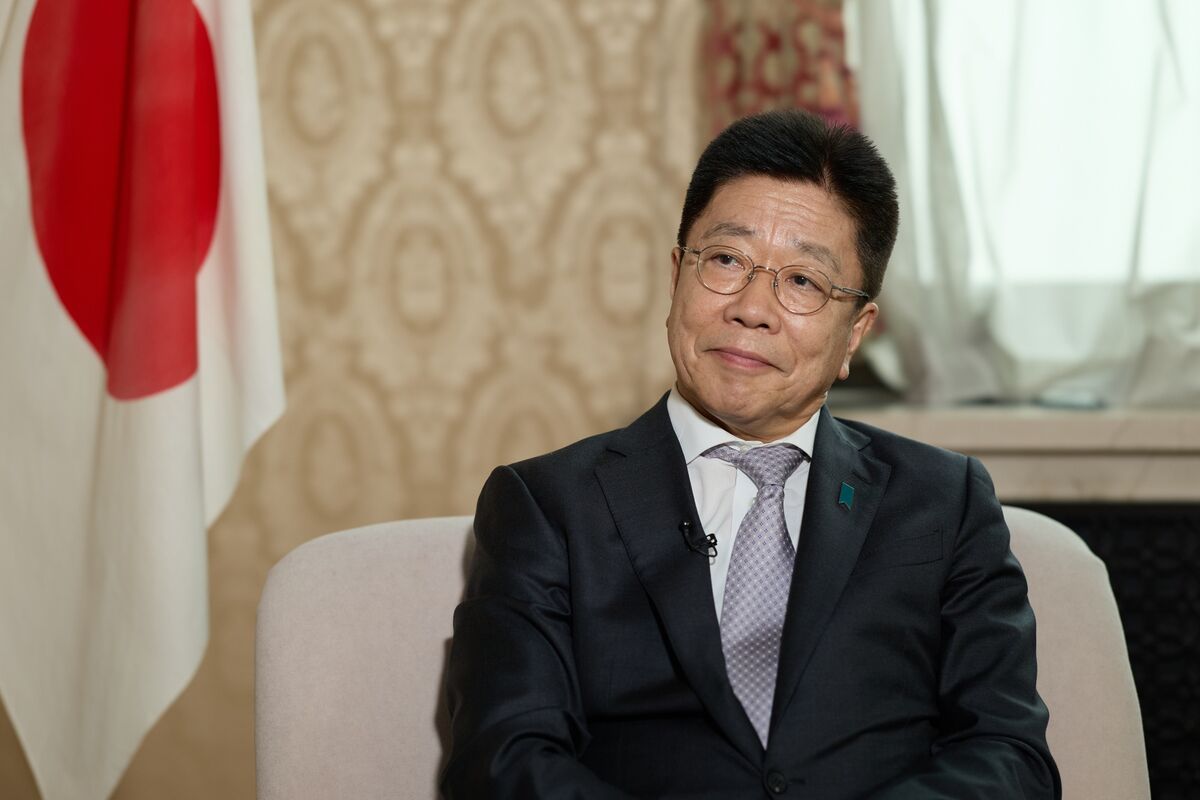
Japan's Finance Minister Katsunobu Kato informed G20 nations that tariffs are an inappropriate tool for correcting current account imbalances, advocating instead for domestic reforms within affected countries. This position signals Japan's clear stance against protectionist trade measures, favoring internal structural adjustments to promote global economic stability.
Japan's Finance Minister, Katsunobu Kato, has articulated a clear policy position at the G20, stating that tariffs are an inappropriate tool for correcting current account imbalances and advocating for domestic reforms instead. This stance reinforces Japan's commitment to free trade principles and places the onus of economic adjustment on internal structural changes rather than external protectionist measures. The statement implicitly critiques nations that may favor tariffs, highlighting a potential divergence in economic strategy among major economies. The noted absence of US Treasury Secretary Scott Bessent from the gathering could signal a lower US priority for this multilateral discussion or a potential disagreement on the topic. The low market impact score suggests this declaration is likely a restatement of known policy rather than a new, market-moving catalyst, but it serves as an important marker of Japan's stable and predictable approach to international economic policy.
AI-powered research, real-time alerts, and portfolio analytics for institutional investors.
Request DemoOverall Sentiment
mildly positive
Sentiment Score
0.25
