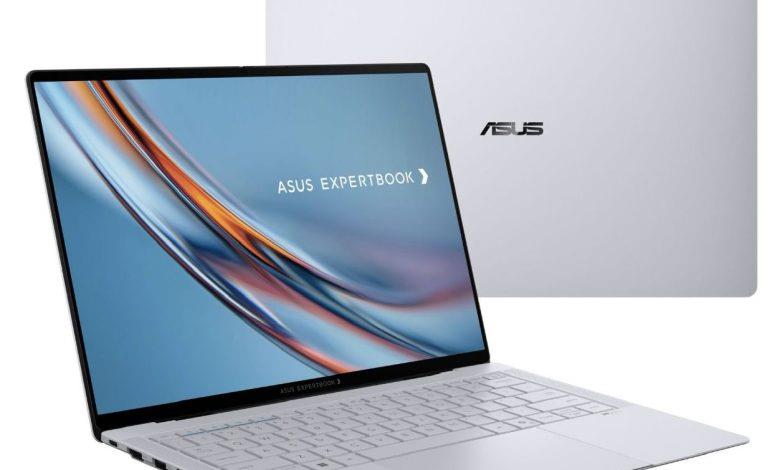
ASUS unveiled the ExpertBook Ultra, a premium AI-focused business laptop powered by Intel Core Ultra X9 Series 3 and up to 50 TOPS NPU performance, with an ExpertCool Pro thermal solution supporting up to 50W TDP, a 70Wh battery, 3K tandem OLED touchscreen (up to 1400 nits), six-speaker Dolby Atmos audio, and a lightweight ~0.99kg magnesium-aluminum chassis. The device emphasizes enterprise security via ASUS ExpertGuardian (aligned with NIST SP 800-193) and integrates the ASUS MyExpert AI productivity suite; availability is slated for the GCC in April 2026. The combination of advanced on-device AI, enterprise-grade security, and premium hardware positions ASUS competitively in the Copilot+/AI PC segment, though no pricing or sales guidance was provided.
Market structure: ASUS’s ExpertBook Ultra crystallizes an OEM-driven wave of “Copilot+” AI PCs that directly lift Intel (INTC) CPU/NPU demand and Corning (GLW) component sales for premium glass. Expect modest share gains for Intel in thin-and-light enterprise notebooks over 6–12 months as OEMs refresh portfolios; discrete GPU vendors may lose low-end notebook workloads but not high-performance mobile GPUs. Pricing power shifts are incremental — OEMs will trade on bundled AI features, not steep ASP inflation; I estimate a 3–7% ASP uplift for premium AI-configured business laptops over 12 months.
Risk assessment: Tail risks include a high-impact security breach undermining ASUS ExpertGuardian, regulatory restrictions on local AI inference, or Intel NPU performance shortfalls revealed in independent benchmarks. Immediate (days) noise will come from reviews; short-term (weeks–months) hinge on supply chain and Q2 OEM bookings; long-term (quarters–years) depends on enterprise software adoption and recurring services revenue from AI platforms. Hidden dependencies: MyExpert success requires enterprise procurement cycles and local data-sovereignty certifications, delaying material revenue recognition by 6–12 months.
Trade implications: Direct plays: tactically long INTC and GLW into April 2026 launch and Intel quarterly results; consider 2–3% portfolio exposure in INTC and 1–2% in GLW. Options: use 9–15 month call spreads on INTC to capture a 10–20% upside while capping cost; sell near-term OTM calls on GLW against a small long position to collect premium. Sector rotation: overweight semis hardware, glass components, and enterprise security software; underweight consumer discretionary if Mac/ARM adoption accelerates.
Contrarian angles: The market underestimates software/service adoption lag — hardware launches don’t guarantee recurring revenue, so INTC upside may be front-loaded and mean-reverting. Reviews could show NPU claims don’t translate to enterprise value; that would create a 10–25% downside replay similar to past “Windows refresh” disappointments. Unintended consequence: stronger local NPUs could reduce cloud GPU spend, hurting datacenter capex names while helping edge-focused suppliers.
AI-powered research, real-time alerts, and portfolio analytics for institutional investors.
Request DemoOverall Sentiment
moderately positive
Sentiment Score
0.35
Ticker Sentiment
