


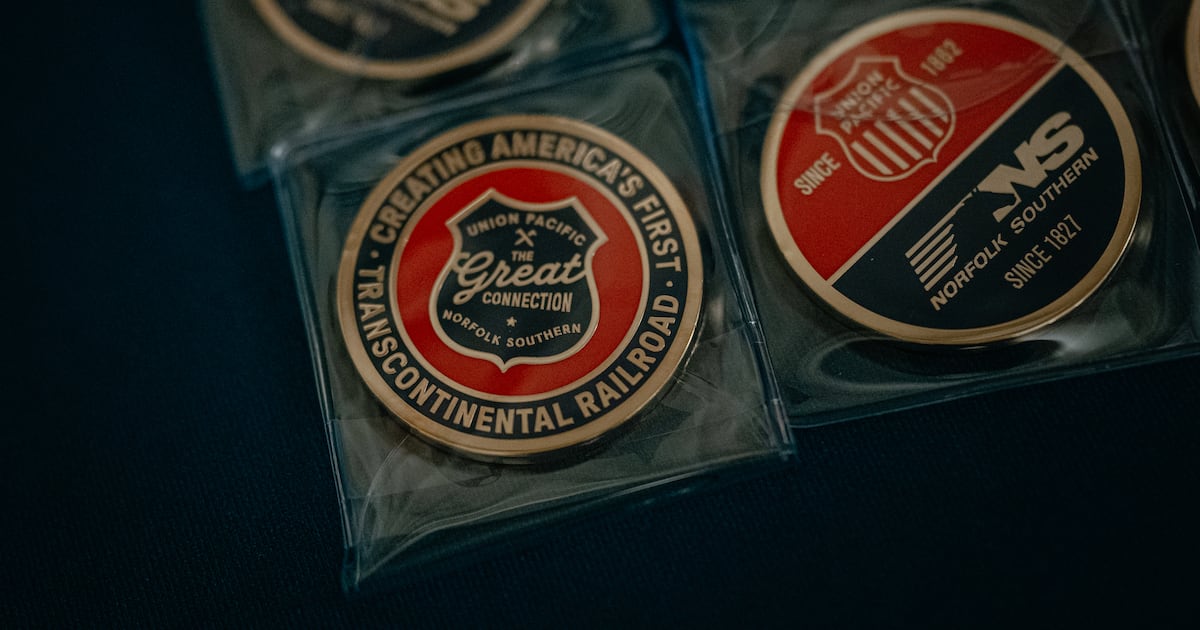
The Surface Transportation Board accepted Norfolk Southern and Union Pacific’s merger application as complete, but paused the review until the companies supplement unclear or underdeveloped portions by July 27. The deal remains under heavy scrutiny from shippers, unions, competitors and other stakeholders, with concerns centered on reduced rail competition and possible higher consumer prices. The filing is a key procedural step, but the pause introduces timeline risk for this proposed railroad merger.
The immediate read is not “deal approved,” but “process extended,” which matters because railroad M&A is a duration trade more than a binary event. Every extra week of supplementation increases the probability that the review becomes a venue for broader political pricing of rail concentration, labor leverage, and shipper concessions. That asymmetry favors the incumbent network player with more optionality and less deal-dependence, while the acquirer remains exposed to headline gamma and financing-duration drift.
The second-order winner is likely not the merged entity but the competitive set outside Class I rail: trucks, intermodal operators, and captive logistics providers that can take share if customers begin preemptively diversifying away from rail commitments. If the transaction stalls for months, shippers have time to renegotiate routing and pricing, which can compress future pricing power even if the deal eventually closes. Canadian National is a subtle relative beneficiary because any drawn-out antitrust fight keeps the market focused on North American rail capacity constraints without forcing CN to underwrite a transformational acquisition premium.
The main tail risk is regulatory escalation: once the board asks for more detail, the scope can widen from disclosure issues to substantive remedies, and that can push a once-private negotiation into a quasi-public rate and service hearing. The catalyst window is 1-8 weeks for filing risk, but 3-9 months for meaningful drift in valuation if supplemental requests become a de facto second review. A clean approval path would require the companies to over-comply on service commitments and labor assurances, which likely lowers deal economics.
Consensus may be underestimating how much optionality remains for the target if the process stretches. The market often prices these railroad deals as if approval odds are the only variable, but the bigger variable is remedy severity: trackage rights, service covenants, or divestitures could reduce synergy capture enough to justify a risk discount today. In that setup, the best trade is not chasing the spread, but owning the more resilient standalone name and hedging the event-driven leg.
AI-powered research, real-time alerts, and portfolio analytics for institutional investors.
Request TrialOverall Sentiment
mixed
Sentiment Score
-0.10
Ticker Sentiment
