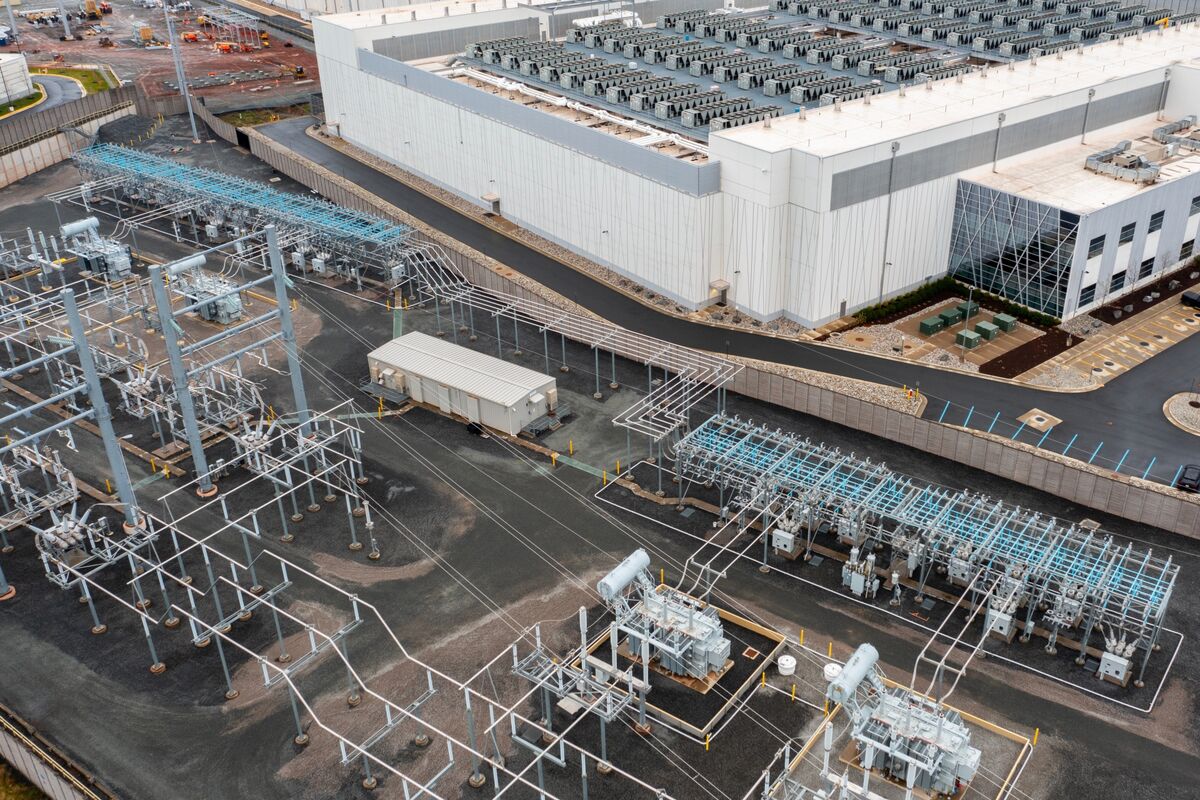
NextEra Energy’s $67 billion bid for Dominion Energy is being seen as supportive of its credit profile, helping offset pressure from a greater reliance on its more volatile unregulated earnings. CreditSights said AI-driven demand from data centers has accelerated growth in NextEra’s power generation business, but also pushed its ratings closer to downgrade thresholds. The deal could strengthen the company’s regulated earnings mix and ease credit concerns.
The credit-positive read on NEE is less about the transaction itself and more about what it changes in the funding stack: it reduces the market’s perception that the equity story is being forced to lean on a more volatile merchant/renewables earnings mix just as AI-driven load growth is increasing capital intensity. In practical terms, that can compress spread widening risk and improve refinancing flexibility over the next 6-18 months, which matters more than headline EPS accretion for a utility trading partly on balance-sheet confidence.
The second-order winner is the rest of the regulated utility complex. If rating agencies reward scale and earnings visibility, peers with weaker unregulated exposure or more constrained load growth may re-rate relative to NEE, while smaller regional utilities could face a higher hurdle rate for M&A-defense or growth capex. For D holders, the key issue is not takeover premium speculation but execution and integration risk: any hiccup in asset sale proceeds, regulatory approvals, or leverage optics could make the company a source of spread volatility rather than a clean beneficiary.
The contrarian risk is that the market may be overestimating how quickly AI load converts into durable utility cash flow. Data-center demand can be lumpy, front-loaded on capex, and politically sensitive if power prices rise; if load growth slows or regulators force more favorable customer terms, the “credit save” narrative fades within quarters, not years. The more subtle risk is that a bigger balance sheet can mask, rather than solve, the underlying problem of higher unregulated exposure if returns on incremental generation build-out disappoint.
AI-powered research, real-time alerts, and portfolio analytics for institutional investors.
Overall Sentiment
mildly positive
Sentiment Score
0.20
Ticker Sentiment
