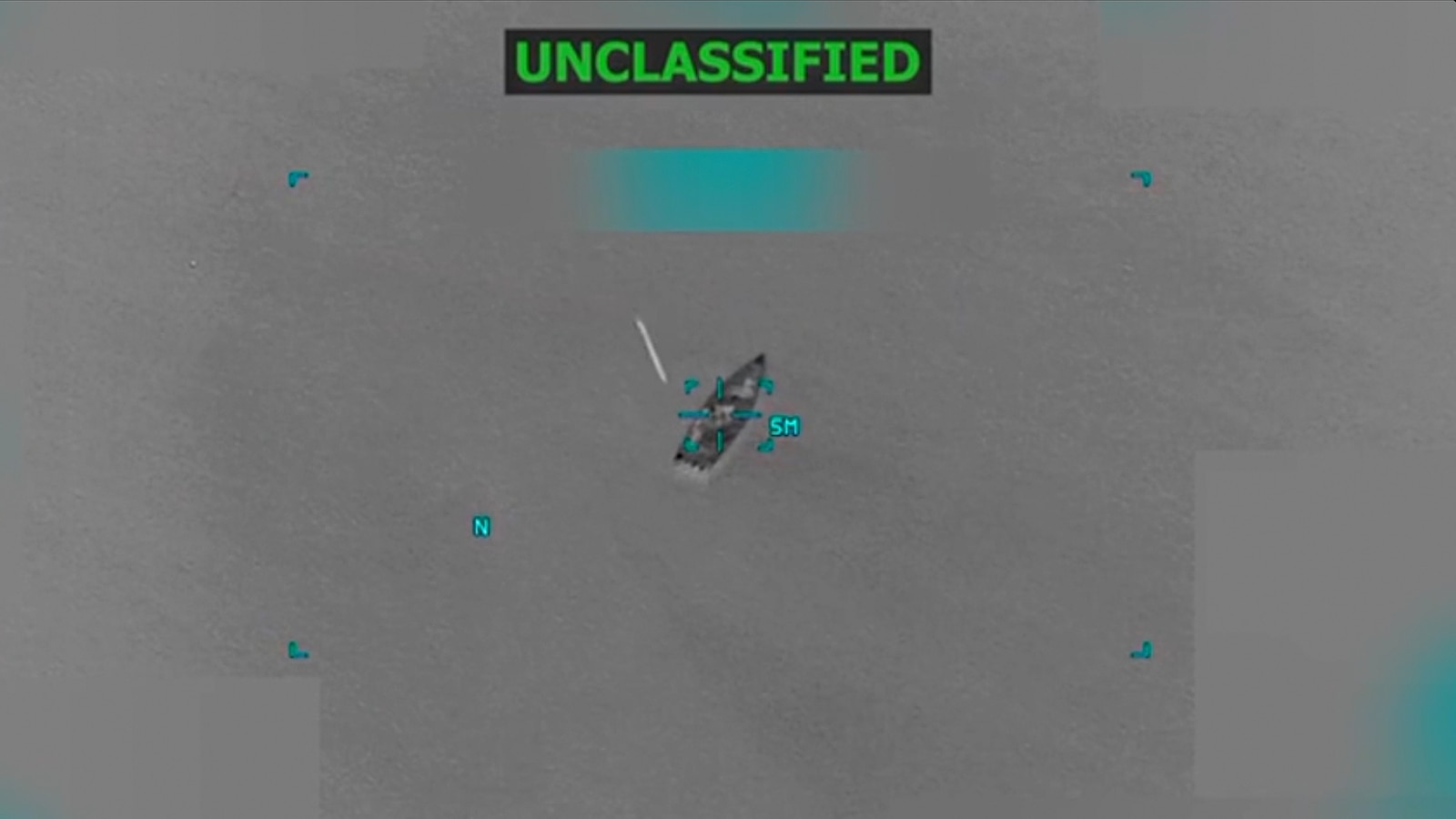
Families of two Trinidadian fishermen, Chad Joseph (26) and Rishi Samaroo (41), have sued the U.S. government alleging wrongful death and extrajudicial killings after an Oct. 14 airstrike off the Venezuelan coast; the complaint contends the strike was part of an unlawful U.S. campaign against small boats and invokes the Death on the High Seas Act and the Alien Tort Statute seeking compensatory and punitive damages. The suit disputes administration claims that the vessel hosted narcoterrorists (President Trump said six 'narcoterrorists' were killed) and argues international human-rights and federal law, not the laws of war, apply; U.S. Southern Command reports as of Jan. 27, 2026 there have been 36 kinetic strikes destroying 37 go-fast boats (including one semi-submersible and one low-profile vessel) with 116 deaths and 10 searches suspended, while the Pentagon declined comment on pending litigation.
Market structure: The headline litigation and the underlying campaign of 36 maritime strikes (116 reported fatalities) create a modest but credible upward shock to demand for maritime ISR, persistent surveillance assets and legal/risk-management services; estimate incremental DoD/Coast Guard procurements of $0.5–1.5bn over 12–24 months favoring suppliers of sensors, comms and analytics. Direct losers: regional tourism operators and insurers with Caribbean exposure (reputational and operational risk); neutral-to-positive for prime defense primes who do not supply lethal strike platforms but do sell surveillance and logistics.
Risk assessment: Tail risks include regional escalation with Venezuela (low-probability, high-impact), precedent-setting damages from Alien Tort claims (court could award damages in the low-to-mid hundreds of millions), and a political backstop (Congressional hearings or executive policy curbs) within 30–180 days that could reallocate procurement. Immediate (days): headlines drive short-term FX/tourism volatility; short-term (weeks–months): legal filings and hearings change procurement signals; long-term (quarters–years): structural shift to ISR and maritime domaining.
Trade implications: Prefer exposure to ISR/satellite and tactical communications names (LHX, MAXR, ITA ETF) and hedge sector/regional tourism (RCL, NCLH). Use option structures to express directional view with defined risk: 6–12 month calls on LHX/MAXR vs 3-month puts on cruise names. Rebalance on legal/capitol developments—if courts advance claims past 120 days, add to ISR exposure; if DOJ dismisses within 60 days, trim.
Contrarian angles: Consensus will focus on reputational/legal headlines; it underestimates business-model changes—litigation can drive operators to outsource maritime interdiction to private surveillance contractors, increasing recurring revenue (SaaS-like) for imagery/analytics providers. Historical parallel: targeted post-crisis reallocation of defense spend (post-9/11 ISR surge) suggests a non-linear upside to small-cap ISR suppliers if they win 1–2 mid-size contracts (>$100m each). Unintended consequence: stricter oversight could redirect budget toward non-lethal surveillance, benefiting software/analytics over weapons makers.
AI-powered research, real-time alerts, and portfolio analytics for institutional investors.
Request DemoOverall Sentiment
moderately negative
Sentiment Score
-0.40
