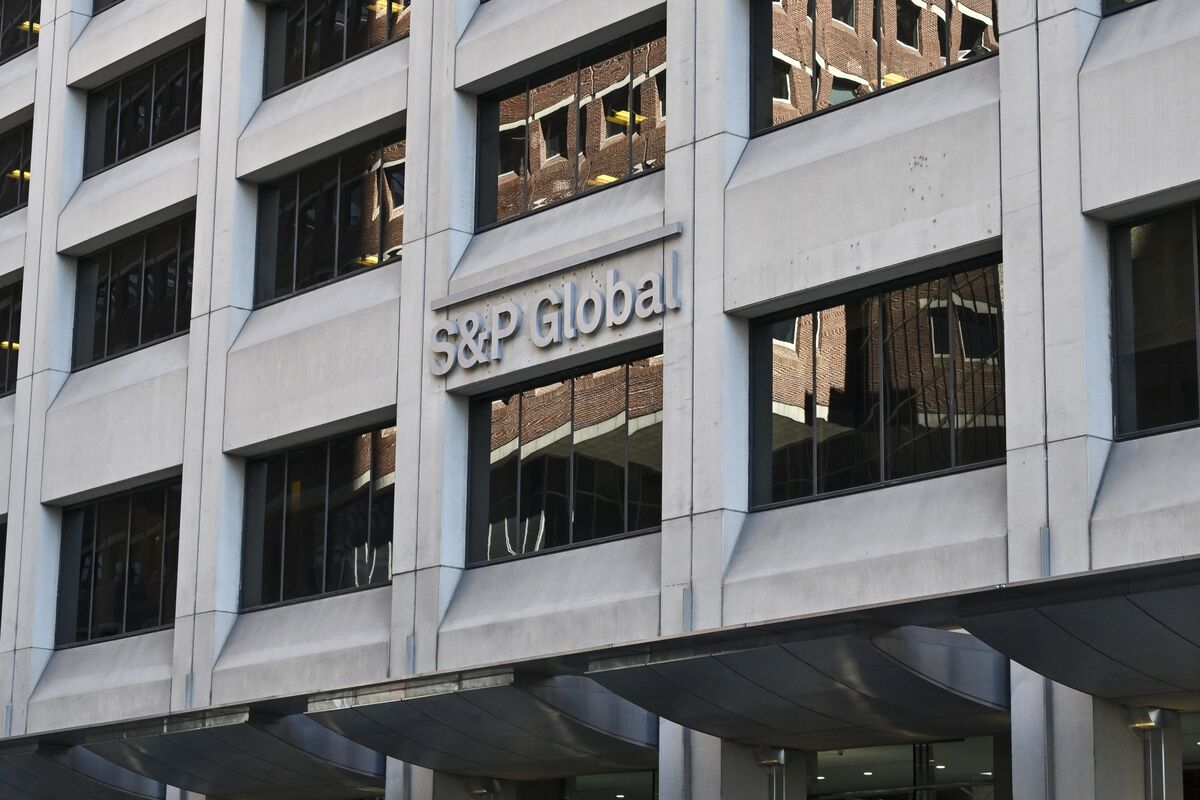
S&P Global’s Mobility Global unit plans to sell $2 billion of notes with maturities of three, five and 10 years ahead of a planned spinoff. The unit also secured a $500 million senior unsecured revolving credit facility, indicating proactive financing and liquidity preparation. The announcement is largely procedural and should have limited immediate market impact.
This is primarily a balance-sheet prepositioning exercise, not a distress signal. The issuance likely widens the credit silo around the asset ahead of separation, which can mechanically improve parent flexibility while leaving equity holders with a cleaner post-spin capital structure; the market often misprices that transition as purely dilutionary when the real effect is to ring-fence risk and lower execution uncertainty. The near-term beneficiary is the new standalone entity’s debt syndicate and any takeout-oriented lenders that can provide revolver capacity, while the loser is anyone shorting the name on simplistic leverage optics.
The second-order issue is funding-cost discovery. A $2B, multi-tenor print before a spin suggests management wants to establish a public curve now rather than force the newco to price under time pressure later; that usually lowers the odds of a disorderly refinancing window over the next 6-12 months. If the coupons clear tightly versus peers, it will be read as an implicit endorsement of asset quality and cash-flow visibility; if they print wide, the equity story can get derated quickly because credit will have effectively set the valuation anchor for the spin.
The main risk is execution drift: any delay in the spin, weaker-than-expected demand for the notes, or covenant/ratings friction could turn a routine capital markets event into a narrative overhang for several weeks. Conversely, if the proceeds are used to de-risk the separation and the revolver is sized generously, the stock could rerate over 1-3 months as investors start treating the event as a capital allocation upgrade rather than a levered carve-out. The consensus is likely underestimating how often pre-spin debt issuance reduces equity volatility by removing financing uncertainty.
AI-powered research, real-time alerts, and portfolio analytics for institutional investors.
Overall Sentiment
neutral
Sentiment Score
0.05
Ticker Sentiment
